China exports rise 27% in June as AI demand and tariff timing lift trade
Customs data showed China’s exports and imports grew faster than expected in June, ahead of key GDP, output and retail sales figures.
By Sarah Jenkins · Chief Macro Economics Correspondent
· 3 min read
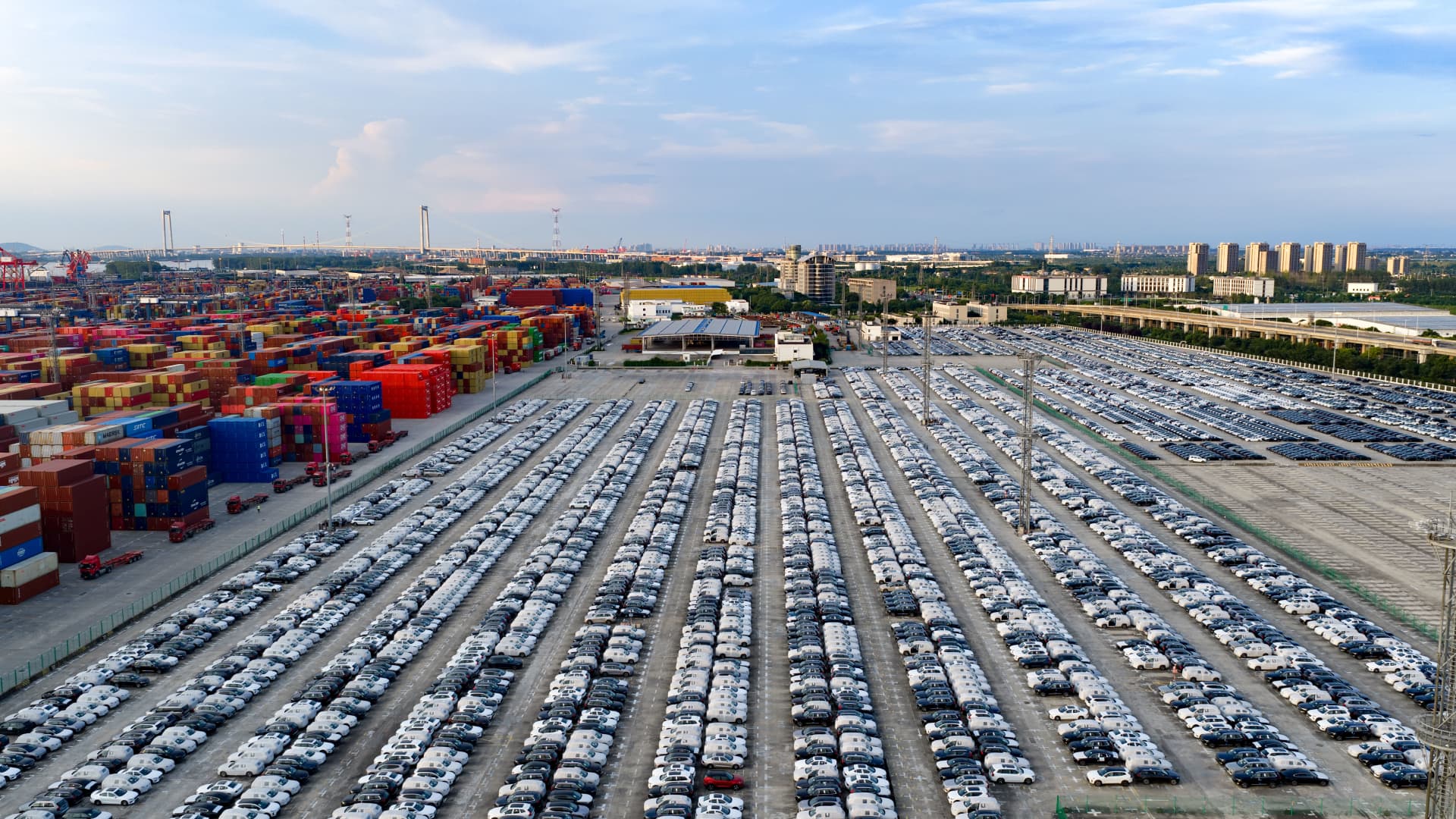
China’s exports rose 27% from a year earlier in June in U.S. dollar terms, the fastest pace since October 2021, as demand linked to artificial intelligence hardware and advance orders from U.S. retailers lifted shipments. Imports increased 36%, the strongest growth since June 2021, pointing to a sharper-than-expected acceleration in trade before Beijing releases second-quarter economic data.
The June figures, published by customs authorities on Tuesday, exceeded economists’ estimates cited in the report. Exports accelerated from a 19.4% increase in May and beat expectations for 18.2% growth. Imports quickened from 27.4% in May and surpassed forecasts for a 24% rise.
The figures underline how external demand has continued to support China’s headline growth even as domestic consumption and private investment remain under pressure from a prolonged property downturn and swings in global oil prices. Export strength has also helped offset some of the economic strain associated with the Middle East conflict and a global oil shock, according to the report.
Tariff timing boosts shipments
A survey by Beige Book last month showed factory activity picked up in June, with U.S.-bound orders posting sharp year-on-year gains. The survey also linked the rise in orders to higher freight rates.
Manufacturers are preparing for the possibility of additional tariffs tied to U.S. President Donald Trump’s Section 301 probes. A broad-based 10% duty is due to expire on July 24, according to the report, encouraging some buyers to bring forward shipments before any increase in duties.
That process, often described as front-loading, occurs when importers place or accelerate orders before a tariff deadline. It can raise current export volumes and demand for shipping capacity because goods that might otherwise have moved later are shipped earlier to reduce exposure to possible new costs.
The artificial intelligence investment cycle has added a separate source of demand. Industrial output and exports tied to AI-related hardware have continued to support China’s manufacturing sector, even as Beijing faces an imbalance between strong production and weaker domestic demand.
GDP data due Wednesday
China is scheduled to release second-quarter gross domestic product data on Wednesday. Economists polled by Reuters expect annual growth to slow to 4.5% in the quarter, after 5% growth in the first quarter.
June industrial output and retail sales figures are also due Wednesday. The Reuters poll cited in the report projects industrial output growth of 4.7% and a 0.1% decline in retail sales. Urban investment is estimated to have fallen 4.9% in the first half of the year, a steeper drop than the 4.1% decline recorded in the first five months.
Investors are watching for signals from an expected Politburo meeting in late July, where policy priorities for the rest of the year may be set. Analysts cited in the report expect limited additional stimulus unless growth weakens more sharply, given the resilience of exports and Beijing’s stated focus on reducing excess factory capacity to counter deflationary pressure.
This story draws on original reporting from CNBC.


