China’s second-quarter GDP growth slows to 4.3% as investment weakens
Official data showed growth missed a Reuters-polled forecast, with industry outpacing consumption and investment under strain from property weakness.
By Sarah Jenkins · Chief Macro Economics Correspondent
· 3 min read
China’s economy expanded 4.3% in the second quarter, the slowest pace since 2022 and below the 4.5% growth expected by economists in a Reuters poll. The National Statistics Bureau data released Wednesday showed momentum eased from 5% in the first quarter, keeping growth below Beijing’s full-year target range of 4.5% to 5%.
The figures point to an uneven expansion in the world’s second-largest economy, with factory output still firm while household spending and investment remain weaker. China is contending with trade frictions involving major partners including the United States and the European Union, alongside sluggish domestic demand.
Retail sales rose 1% in June, reversing a 0.6% decline in May and beating the Reuters-polled expectation for a 0.1% fall. CNBC reported that May’s drop was the first monthly decline in retail sales since late 2022, reflecting soft demand and heavy discounting by merchants.
Industrial production grew 5.3% in June from a year earlier, according to the National Statistics Bureau. That was stronger than the 4.7% increase forecast in the Reuters poll and faster than May’s 4.5% expansion.
Factory strength masks domestic weakness
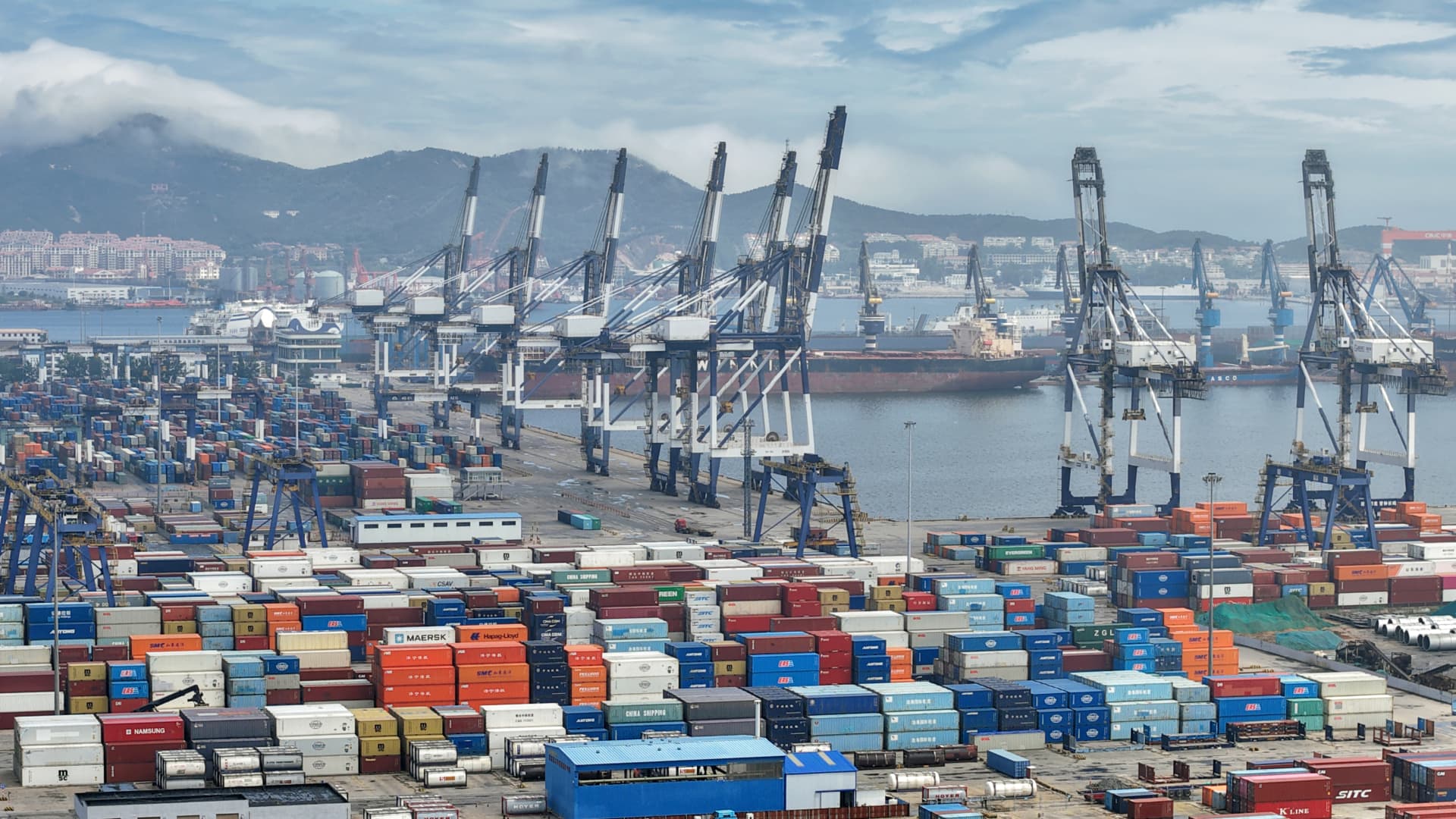
The split between industrial output and consumer activity underlines China’s supply-demand imbalance. Strong production and exports linked to the global investment cycle in artificial intelligence have supported headline growth, CNBC reported, while domestic consumption and private investment have been held back by a prolonged property downturn and volatile energy prices.
That imbalance matters for policymakers because industrial production can lift GDP even when households are cautious. Factories produce goods for domestic buyers and export markets, but if local demand does not keep pace, companies may rely more on overseas sales or discounts to clear inventory. Trade tensions can make that model harder to sustain.
Investment has also become a weaker engine of growth. CNBC reported that urban investment fell 3.8% last year from a year earlier, its first decline in decades. The downturn in real estate and tighter limits on local government borrowing have weighed on a channel that has long supported construction, infrastructure and related industries.
Local government financing has traditionally helped fund infrastructure and urban development. When borrowing constraints tighten, authorities have less room to support projects that feed demand for materials, machinery and labour. The property sector’s weakness compounds that pressure because housing activity affects developers, banks, local land sales and household confidence.
Labour market remains within target range
China’s urban unemployment rate stood at 5% in June, according to the official data. The country’s leadership is targeting an unemployment rate of less than 5.5% over the next five-year period.
The second-quarter growth rate sits below Beijing’s annual target range, which CNBC described as the least ambitious in decades. The latest data are likely to sharpen attention on whether authorities use fiscal or monetary measures to support demand, though the figures released Wednesday did not include any new policy announcement.
This story draws on original reporting from CNBC.


