DeepMind chief urges U.S.-led body to test advanced AI models
Demis Hassabis proposed a federally overseen public-private AI standards body as Washington weighs security risks and competition with China.
By Marcus V. Thorne · Markets Editor
· 3 min read
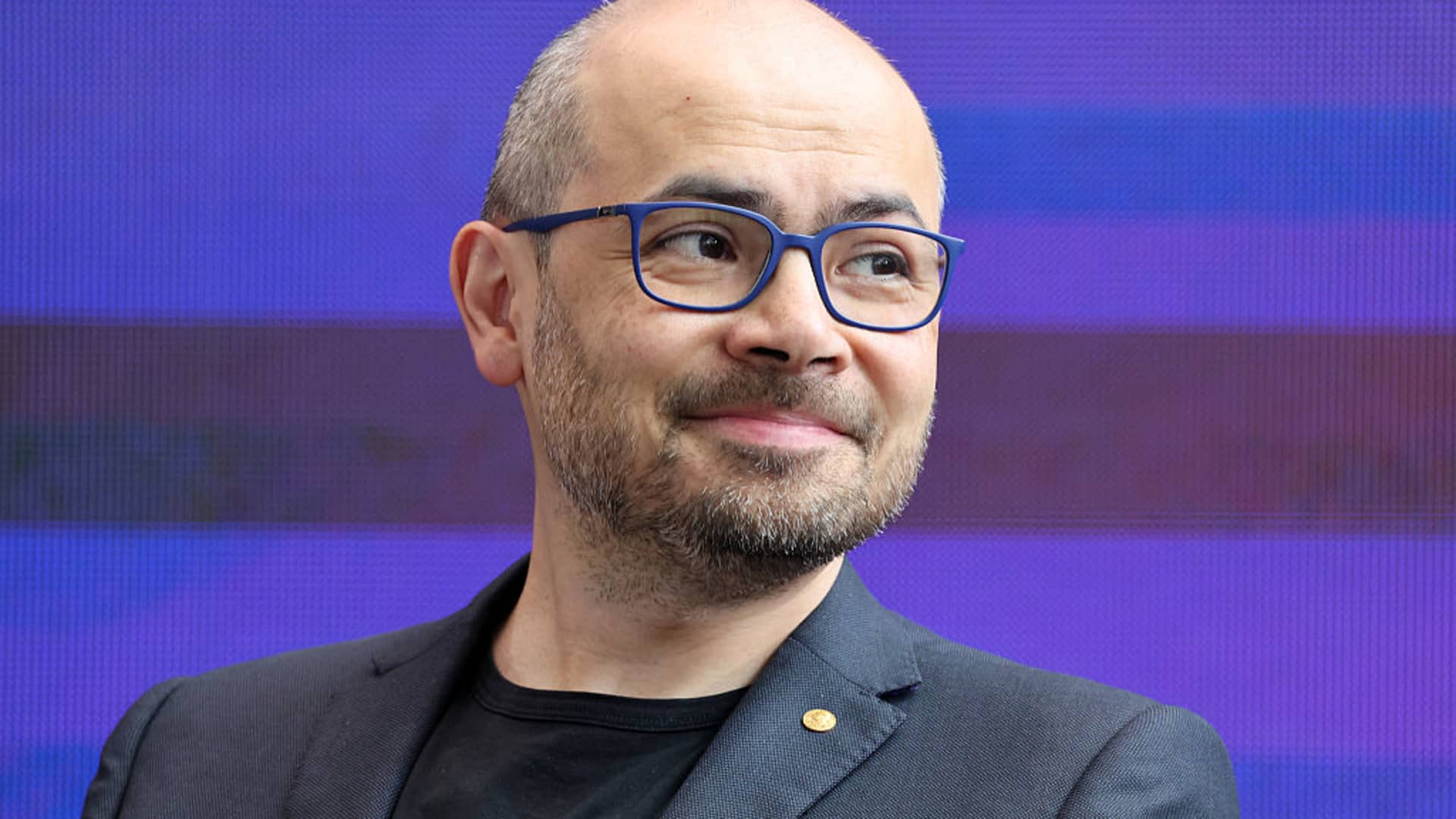
Google DeepMind Chief Executive Demis Hassabis called for the United States to lead a standards body that would review advanced artificial intelligence models for national security risks before release. The proposal would place Washington at the centre of efforts to set technical rules for frontier AI as U.S. and Chinese companies compete to develop and deploy more capable systems.
Hassabis, a Nobel laureate who leads Google’s AI division, wrote on X on Tuesday that “urgent action” was needed to address risks linked to artificial general intelligence, which he described as the point at which AI equals or exceeds human intelligence. He cited cybersecurity challenges already associated with frontier models and warned that nuclear and biological risks could emerge as systems become more capable.
The DeepMind chief proposed a U.S.-led public-private partnership under federal oversight. He said the United States was well placed to take that role because of its economic and technical position.
How the proposed body would work
Hassabis said the standards body could be structured as a federally supervised public-private partnership or self-regulatory organisation, drawing a comparison with the Financial Industry Regulatory Authority, which oversees U.S. brokerage firms and exchange markets. He said its board should include independent technical experts and representatives from the open-source community.
The body would require substantial funding to hire high-level technical staff and secure the computing power needed to test large models, Hassabis said. He added that funding would likely come from the AI industry.
Under his proposal, frontier AI labs would initially provide models to the body voluntarily for assessment as much as 30 days before release. Hassabis said that process could later become mandatory for deployment in the U.S. market once the system had proved effective.
The reviews would examine risks such as attempts by AI agents to evade safety controls or show deceptive behaviour, Hassabis said. He also pointed to practices such as digital watermarking of AI-generated images and human-readable output tokens that would help researchers interpret model reasoning.
Industry pressure for rules
The call follows earlier efforts by leading AI executives to press for U.S.-led coordination on standards. CNBC reported last month, citing sources, that Hassabis and Anthropic Chief Executive Dario Amodei urged an American-led AI coalition during a Group of Seven meeting attended by technology leaders and heads of state, including U.S. President Donald Trump. OpenAI Chief Executive Sam Altman made a similar case in an article published by the Financial Times earlier this month.
Regulation of the most advanced models has also become a point of tension between AI companies and the U.S. government. CNBC reported that Anthropic recently held talks with officials after the Trump administration temporarily imposed export controls on an advanced model. OpenAI also faced limits after the U.S. government initially asked it to restrict the rollout of a new model, according to CNBC.
China competition frames the debate
The standards proposal comes as U.S. policymakers consider how to respond to greater use of Chinese AI models by American companies. CNBC reported that models from Chinese groups including DeepSeek and Z.ai are viewed by many as competitive with leading systems from companies such as Anthropic and OpenAI, and are gaining users as AI costs rise.
U.S. lawmakers are weighing measures to limit adoption of Chinese AI models by domestic companies, CNBC reported. The State Department told CNBC that the trend raises “serious concerns.”
This story draws on original reporting from CNBC.


