Hormuz fee plan lifts oil supply concerns as traffic falls
Trump’s proposed 20% charge on Strait of Hormuz cargo has sharpened concern over oil flows, with analysts warning of higher costs and supply losses.
By Amanda Ross · Deals Correspondent
· 3 min read
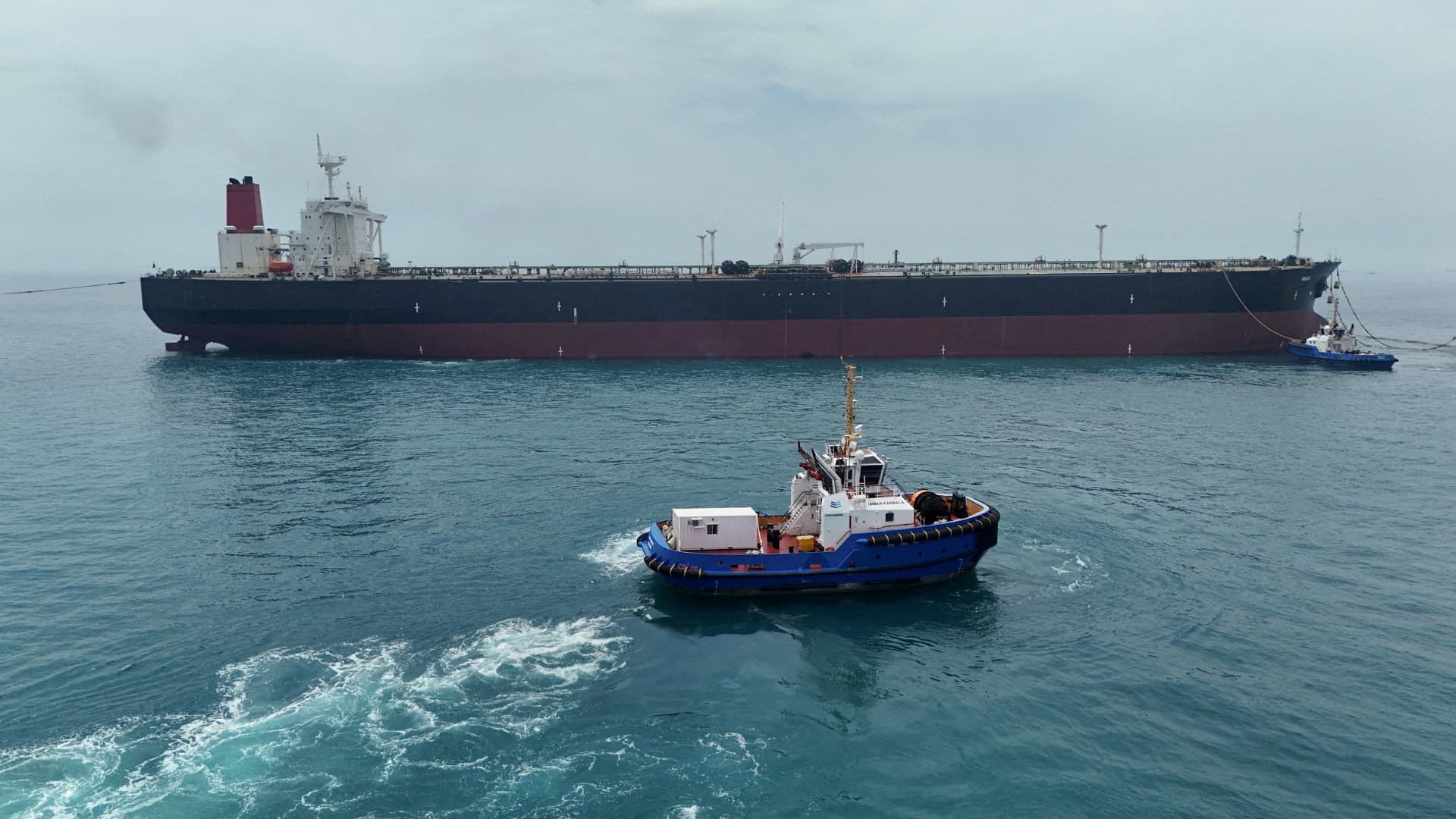
President Donald Trump’s proposal to levy a 20% charge on cargo moving through the Strait of Hormuz has put oil supply risk back at the center of market attention. Lipow Oil Associates estimates the measure would add about $16 a barrel to crude shipped through the waterway, while U.S. and global oil futures rose on concern that renewed disruption could tighten supply.
West Texas Intermediate futures for August delivery gained 2.27% to $79.91 a barrel, while Brent futures for September delivery rose 2.14% to $85.11. Brent had advanced 9.6% in the previous session.
The Strait of Hormuz is a core transit route for Gulf crude exports. A fee on cargo would raise the cost of moving barrels through the channel, but analysts said the larger market issue is whether the proposal points to a higher probability of interrupted shipping or another closure.
Andy Lipow, president of Lipow Oil Associates, told CNBC’s “Squawk Box Asia” that the market had been expecting stronger supply after a U.S.-Iran memorandum of understanding signed last month. He said those expected surpluses were now at risk, particularly if the strait were to shut completely.
Lipow said the fee’s application remains unclear because the administration has not detailed how it would be imposed. If applied to crude cargoes, he estimated the 20% charge would translate into roughly $16 a barrel for oil moving through Hormuz.
Escalation risk and market balance
Citi said in a note published early Tuesday that implementing the proposal could increase the chance of a wider military confrontation in the near term. The bank wrote that “the risks of military escalation have risen materially” if the announcement is carried out.
Citi’s analysts also said the probability had increased that Iran could step back from the memorandum of understanding until after the U.S. midterm elections. In that scenario, Citi said oil prices would most likely remain higher for longer.
Henry Hoffman, co-portfolio manager at Catalyst Energy Infrastructure Fund, said the initial price effect was likely positive for crude, but the more significant issue was the possibility of renewed physical supply losses. That risk would extend beyond higher freight or transit costs if exporters were unable to move barrels out of the Gulf.
Hoffman said reduced vessel traffic could force producers to curb output if export bottlenecks leave storage tanks full. In that case, supply losses could exceed what is visible from damaged infrastructure because production would have to be temporarily halted until crude can move again.
Shipping flows weaken
Kpler data showed traffic through the Strait of Hormuz fell sharply on Sunday. Fourteen ships crossed the waterway, including four crude tankers, compared with 37 vessels a week earlier, according to the data cited by analysts.
The disruption risk complicates recent expectations that the global oil market would move back into surplus. The International Energy Agency said last week it expected a surplus to return toward the end of 2026, but that outlook depended on tanker traffic through Hormuz gradually recovering.
Hoffman said the timing could become more difficult if Asian demand improves while Middle Eastern supply reliability weakens. Saudi Aramco recently cut prices by $11 a barrel, moving its primary Asian crude grade to a $1.50 discount against the Oman/Dubai benchmark, a change he said could encourage Chinese refiners to lift purchases after imports fell during the initial disruption.
This story draws on original reporting from CNBC.