Hormuz traffic seen abnormal into 2027 on Kalshi after Iran strikes
Kalshi traders assign a 44% chance of normal Strait of Hormuz traffic by Dec. 1 after renewed U.S.-Iran hostilities hit shipping expectations.
By Amanda Ross · Deals Correspondent
· 3 min read
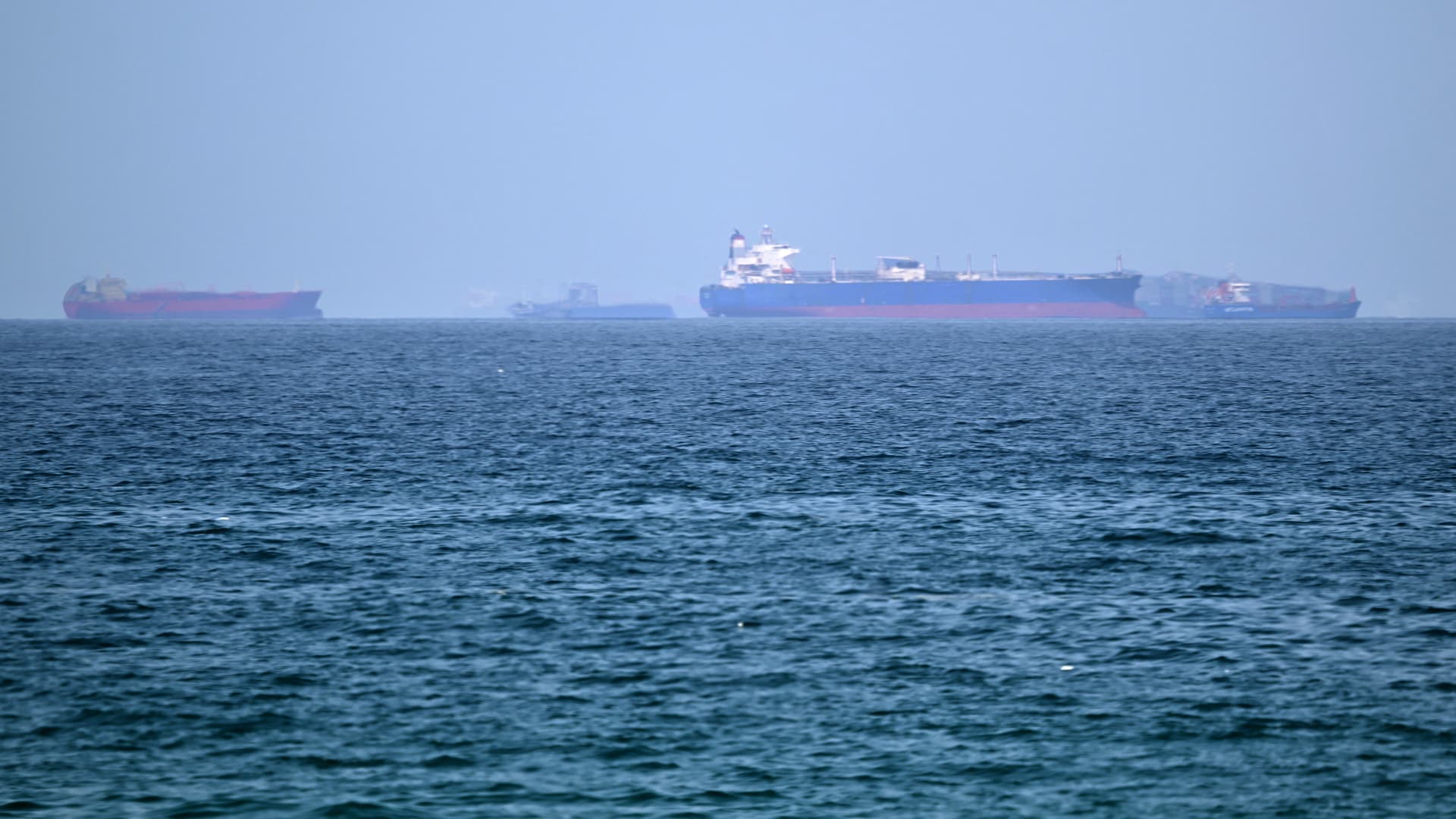
Prediction-market traders on Kalshi now put the chance of Strait of Hormuz traffic returning to normal by Dec. 1 at 44%, after renewed U.S.-Iran hostilities and attacks on commercial vessels disrupted expectations for the critical shipping lane. The first date on Kalshi with odds above 50% is Jan. 1, 2027, at 53%, according to the platform’s market pricing.
The shift followed President Donald Trump’s statement that the ceasefire with Iran was “over.” Trump’s comments came after the U.S. carried out strikes against Iran following attacks on commercial ships in the Strait of Hormuz, a maritime passage central to global energy trade.
Kalshi’s contracts define a return to normal traffic as a seven-day moving average of transit calls through the strait above 60. Outcomes are verified using figures reported by IMF PortWatch, which tracks port and maritime activity.
Prediction markets translate trading activity into implied probabilities for defined outcomes. In this case, traders are pricing contracts linked to a specified traffic threshold by particular dates, rather than making a general forecast about security conditions or oil prices.
Odds moved lower after latest attacks
The market’s assessment has deteriorated quickly. As recently as July 4, Kalshi traders assigned odds above 50% to normal flows resuming by Oct. 1. After the latest escalation, traders no longer price any 2026 date cited by Kalshi as more likely than not for a return to normal traffic.
The change matters for energy markets because the Strait of Hormuz connects the Persian Gulf with the Gulf of Oman and wider seaborne trade routes. Disruptions there can affect tanker scheduling, insurance costs and perceptions of available supply, even before cargo volumes change materially.
Polymarket traders are somewhat more constructive on a 2026 recovery. Speculators on that platform assign a 59% chance that traffic flows return to normal by Dec. 31, using the same definition and IMF PortWatch data to resolve contracts tied to Strait of Hormuz traffic.
The difference between Kalshi and Polymarket highlights how prediction markets can produce varying implied probabilities even when contracts refer to similar data and settlement rules. Those prices reflect trader positioning and liquidity on each venue, not official forecasts from governments or shipping authorities.
Analysts flag insurance and supply risks
Piper Sandler analyst Jan Stuart wrote in a Wednesday note that traffic in the strait is “suddenly very far from normal.” He linked the renewed risk around the waterway to pressure on global oil availability and the cost of insuring voyages through the area.
“With the Strait back in play, global oil supply is again way short,” Stuart wrote. “Any hope of commercial insurers reducing ‘war risk’ assessments in months has been sunk.”
War-risk insurance is an added cost for vessels operating in areas judged to face heightened conflict or attack risks. When underwriters raise those assessments, shipowners and charterers can face higher costs to move cargoes, which may feed into freight rates and trading decisions.
The Kalshi and Polymarket contracts do not directly measure oil supply, freight rates or insurance premiums. They track whether traffic reaches a stated threshold by specified dates, using IMF PortWatch data as the settlement reference. For investors and operators, the market pricing offers one real-time gauge of how traders are assessing the duration of the disruption.
This story draws on original reporting from CNBC.