LimX raises $200mn as China humanoid robot IPO push accelerates
The Shenzhen humanoid robotics start-up was valued at $2.21bn in a pre-IPO round as capital flows into China’s embodied AI sector.
By Sarah Jenkins · Chief Macro Economics Correspondent
· 3 min read
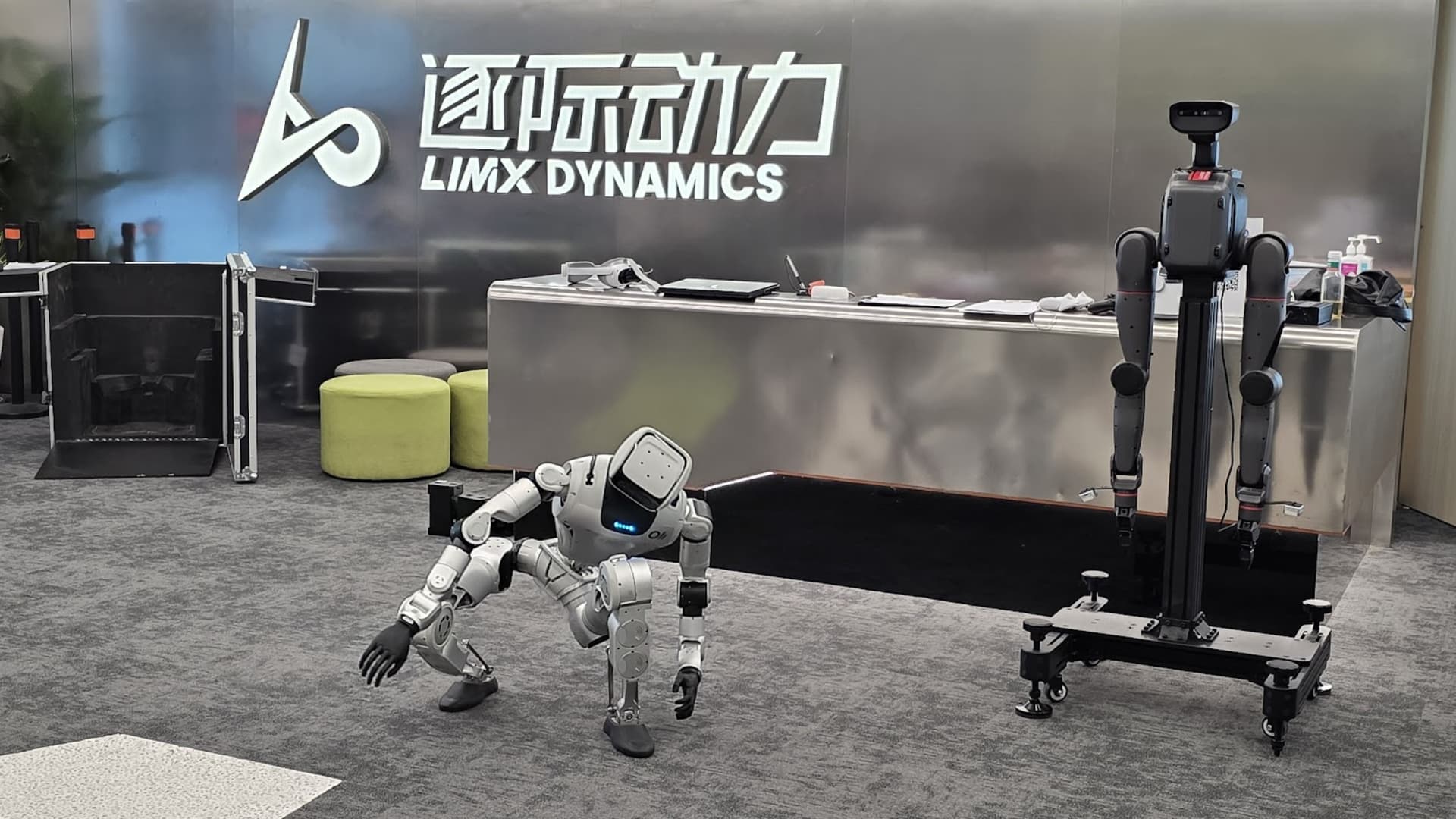
Chinese humanoid robotics start-up LimX Dynamics has raised $200 million in pre-IPO financing at a valuation of 15 billion yuan, or $2.21 billion, according to a company release cited by CNBC. The fundraising comes as private capital and listing plans gather pace across China’s humanoid robot sector, where investment reached 47.09 billion yuan in the second quarter, industry data provider Xiniu said.
LimX founder Will Zhang told reporters that a public listing had become necessary for the company, which was established during the pandemic just over four years ago. “Listing is a must,” Zhang said in Mandarin, according to CNBC’s translation, arguing that companies need to move at the right time once their technology reaches a mature stage.
A pre-IPO round is a private financing completed before a planned public share sale. In LimX’s case, the round brought in overseas investors including UAE-based Stone Venture, Italy’s GGG and Germany-based Redstone VC, according to the company release. Other investors included Lens Technology, IDG Capital, WestSummit Capital, Nio Capital and Hefei Binhu Industry Development Group.
LimX said it is already preparing an initial public offering, most likely in Hong Kong, and is in a confidential review stage. The company is seeking to develop fully autonomous commercial service robots and has said it plans over several years to deliver thousands of humanoid robots to the Middle East. It is also supplying its Luna entertainment-focused humanoid to customers in South Korea.
Capital chases embodied AI
China now has well over 100 humanoid robot companies, according to CNBC, with the sector falling under the country’s broader official push into “embodied AI,” a term used for artificial intelligence systems embedded in physical machines that can interact with real-world environments.
Xiniu data showed second-quarter investment in the humanoid robot sector more than doubled from the first quarter and rose more than sixfold from the same period a year earlier. The surge has coincided with a broader rush by robotics companies to seek public-market funding.
China has accelerated approval for Unitree, another humanoid robot company, to list in Shanghai. In Hong Kong, the exchange is processing applications from more than 500 companies across sectors, according to public listings data referenced by CNBC.
Morgan Stanley said in a report last week that competitive pressure is likely to continue as more industrial and collaborative robot companies pursue IPOs. The investment bank cited DeepRobot and Leju as sector companies preparing to list soon.
Morgan Stanley forecasts China’s industrial robot market will grow 18% this year and expects shipments of 50,000 humanoid robots, according to the report cited by CNBC. The figures point to a market moving from prototypes and demonstrations toward larger production runs, though companies still face pressure to show that their machines can meet commercial requirements at scale.
Zhang compared the moment with China’s electric vehicle start-ups Nio, Xpeng and Li Auto, which listed in the United States between 2018 and 2020. He said humanoid robotics had moved past the initial “0 to 1” innovation phase and that the next test would be building products that satisfy users’ needs.
This story draws on original reporting from CNBC.


