Oil rises as US and Iran clash over Strait of Hormuz traffic
Brent and WTI gained more than 3% after new US and Iranian strikes intensified risks around a key global energy route.
By Amanda Ross · Deals Correspondent
· 3 min read
Oil prices climbed Monday as renewed US-Iran fighting raised concerns over shipping through the Strait of Hormuz, a route that carried about 20% of global oil supplies before the conflict widened earlier this year. Brent crude futures rose 3.3% to $78.48 a barrel, while US West Texas Intermediate was up 3.3% at $73.78, after both contracts had gained about 5% earlier in the session, according to CNBC market data.
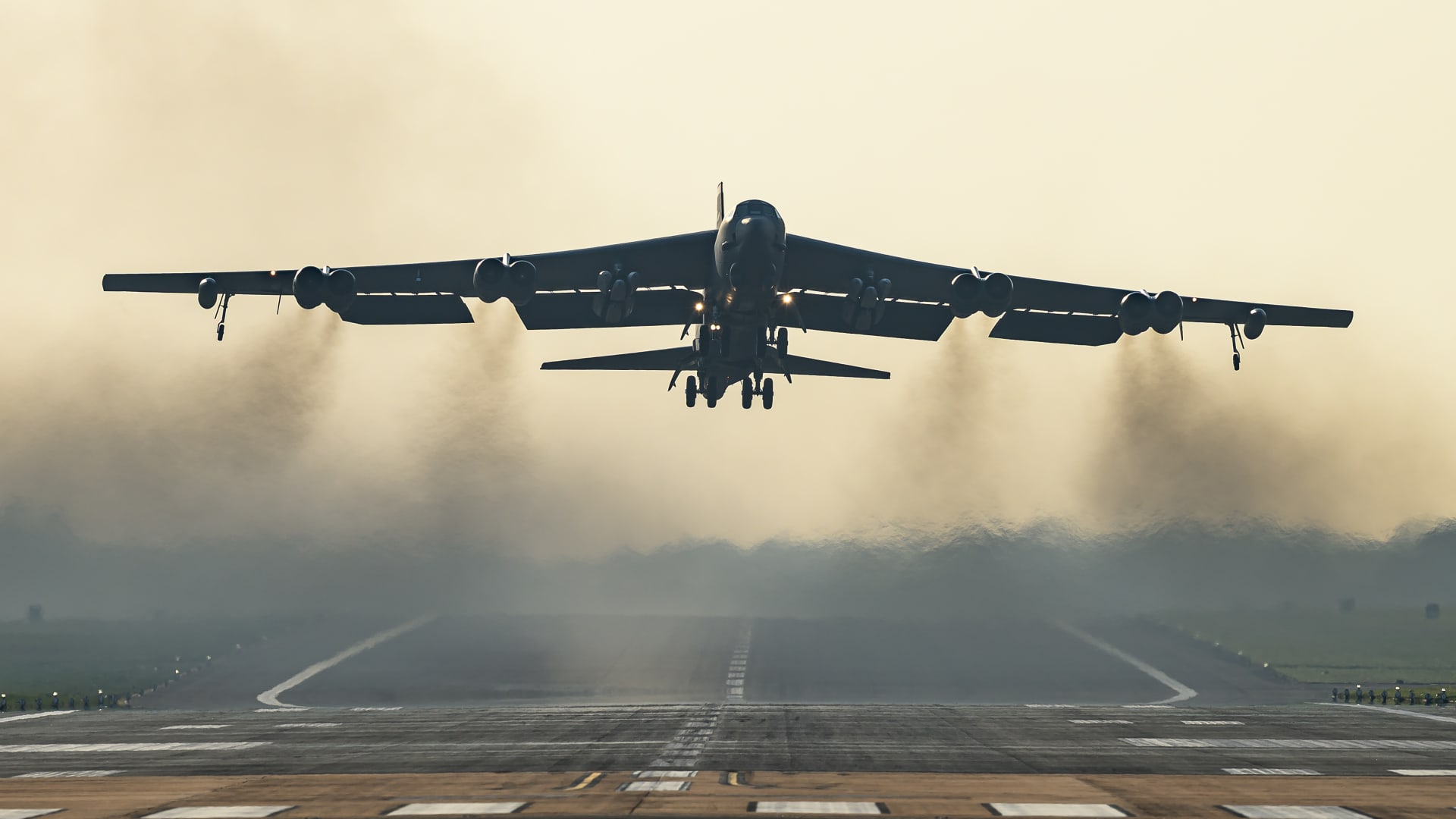
The move followed another round of US military strikes on Iran on Sunday, after attacks on 140 targets on Saturday, US Central Command said. Centcom said the latest action was a response to an Islamic Revolutionary Guard Corps attack on a container ship passing through Hormuz.
Iranian state news agency Tasnim reported that Iran struck US military facilities in Jordan, Kuwait, Bahrain and Oman on Sunday. Iranian state media also said the Revolutionary Guard had shut the strait until further notice, a claim disputed by US officials.
Centcom said Sunday that the waterway remained open to vessels making lawful passage. In a social media post, the command said US forces were prepared to preserve freedom of navigation and that Iran did not control the strait. President Donald Trump also said the route was open in an interview with NBC News’ “Meet the Press” that aired Sunday.
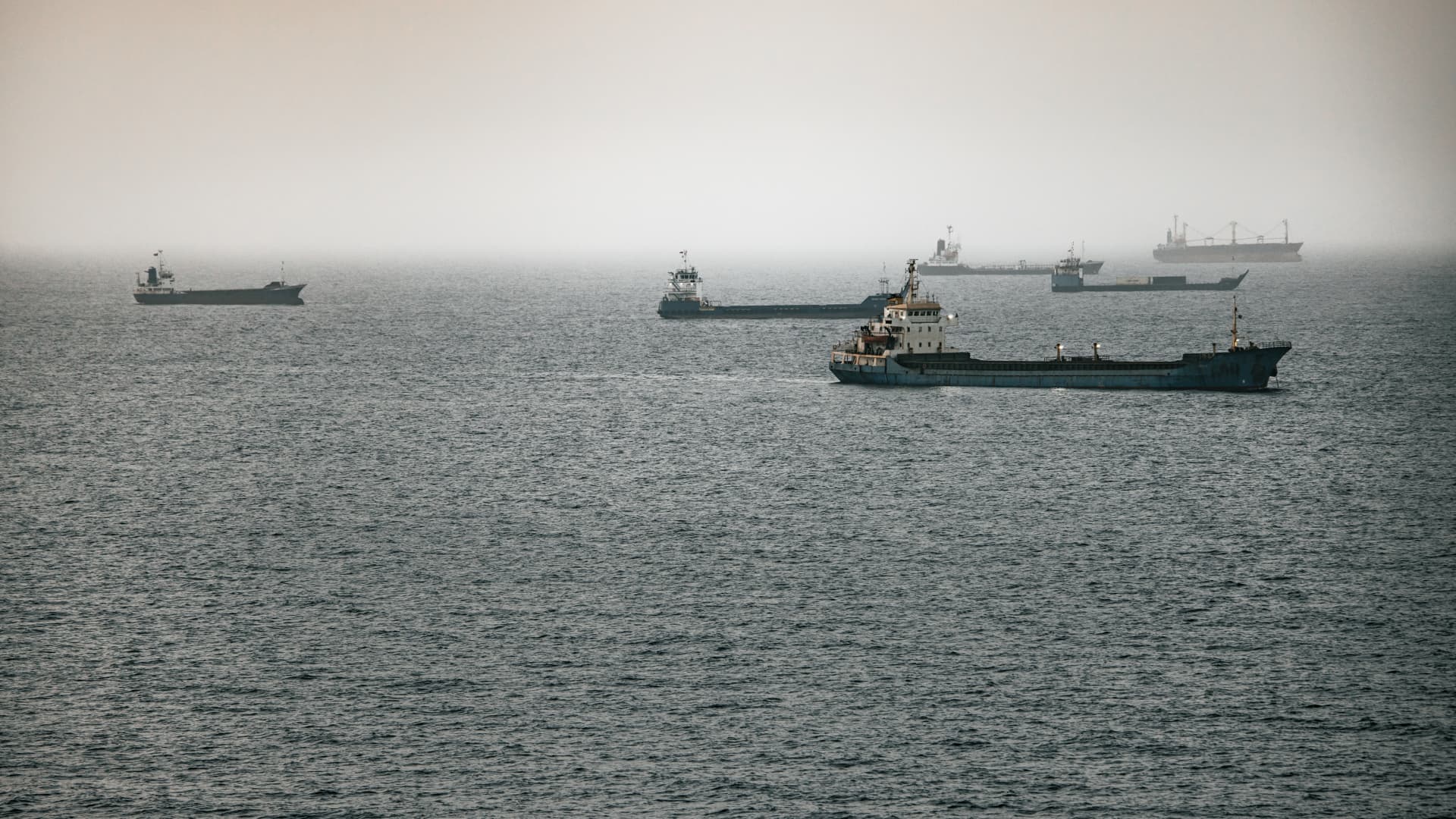
Maritime data offered a more limited picture of activity. Windward, a maritime intelligence firm, said it tracked nine ships moving through the strait on Saturday. The Joint Maritime Information Center, a US-led naval coalition based in Bahrain, said the southern route through Omani waters remained open for ships entering and leaving the Gulf.
The center nevertheless described the security situation around Hormuz as severe and advised mariners to use extreme vigilance. The strait is a narrow passage between Iran and Oman that connects Gulf energy exporters with international markets. Disruption can affect crude and refined product flows because tankers must either transit the channel or face delays, higher insurance costs and logistical constraints.
Dispute over reopening
The latest fighting reflects competing US and Iranian views of how the strait should operate under an interim peace agreement signed on June 17. The deal was intended to reopen shipping after traffic fell following the US and Israeli attack on Iran on Feb. 28 and subsequent Iranian attacks on vessels in early March.
The United States has sought to keep traffic moving through the southern corridor protected by its military. Iran has demanded that ships use a northern route through Iranian territorial waters and has asserted control over the strait, according to CNBC.
The weekend strikes marked the fourth time in the past week that the US has bombed Iran in response to attacks on commercial vessels transiting Hormuz, CNBC reported.
Market focus turns to vessel flows
David Fyfe, chief economist at Argus, told CNBC’s “Europe Early Edition” that shipping through Hormuz appeared to have slowed sharply after the latest strikes. He said vessel movements over the previous couple of days appeared to be in single digits, compared with 30 or 40 tankers and bulk carriers earlier last week.
Fyfe said the disruption had affected oil movements at a time when stockpiles had been drawn down since late February. He also cited Russia’s cutoff of diesel exports to international markets as an additional factor that could tighten supply conditions.
Fyfe said those pressures could push oil prices significantly higher. His comments were framed as an assessment of market risk, while confirmed pricing on Monday showed crude higher but below the session’s early peaks.
This story draws on original reporting from CNBC.