Palihapitiya warns AI usage costs could pressure corporate earnings
The Social Capital founder told CNBC that executives may be underestimating employee AI consumption as token-based bills rise.
By Amanda Ross · Deals Correspondent
· 3 min read
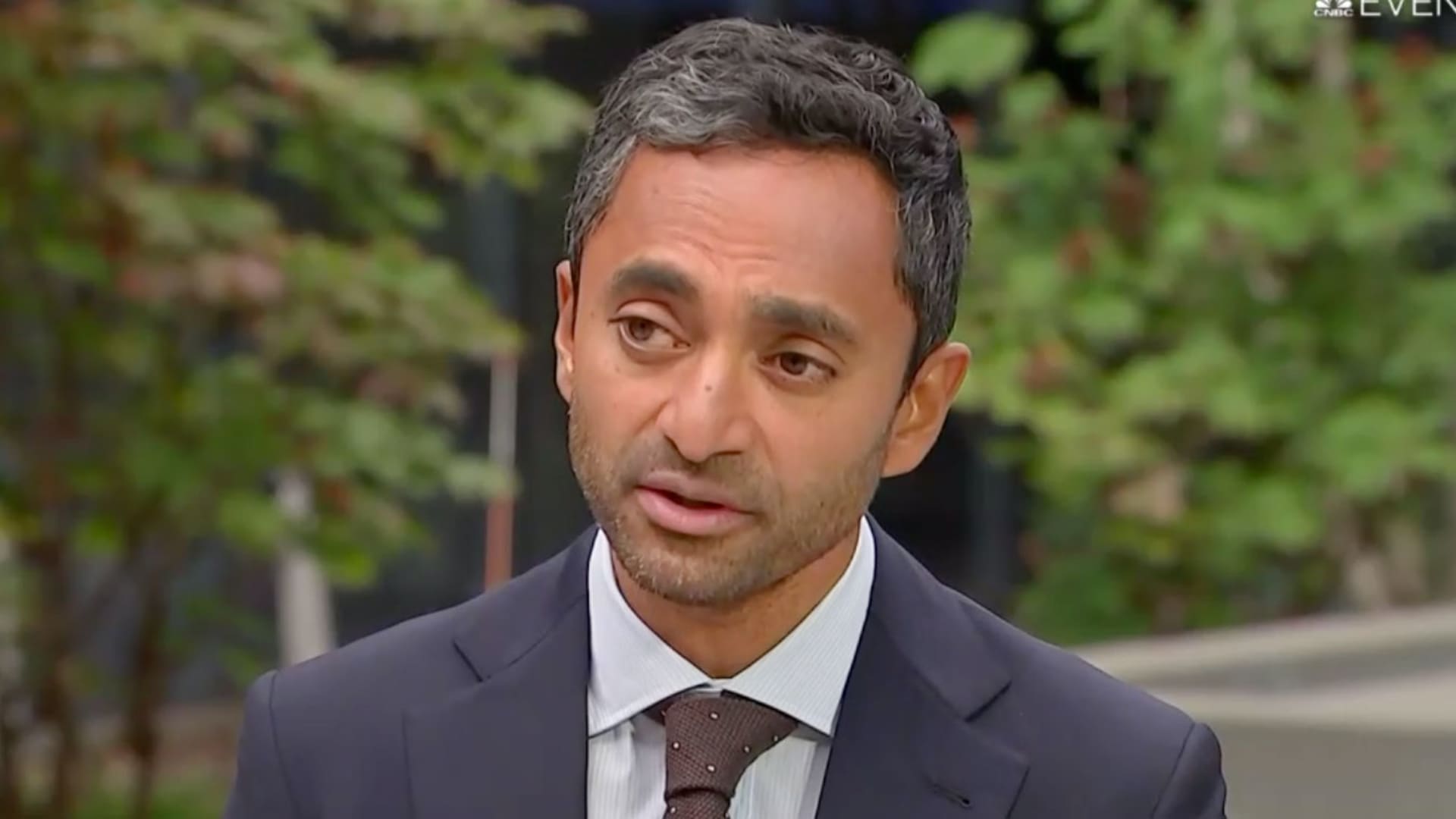
Chamath Palihapitiya told CNBC on Tuesday that rising corporate spending on artificial intelligence could weigh on earnings at some companies, with executives potentially discovering costs only after they affect reported profit. The investor said chief executives and finance chiefs may not fully understand how much employee AI usage is occurring inside their businesses.
Palihapitiya, founder of Social Capital, chief executive of AI company 8090 and a co-host of the “All-In” technology podcast, said on CNBC that companies could face an earnings-per-share shortfall of “a few pennies” tied to AI spending that was not visible to senior management. He said CEOs and CFOs “probably have no idea” how much “tokenmaxxing” is taking place across their organizations.
The term refers to a pattern in which employers have encouraged staff to use AI tools as much as possible. Under token-based pricing models, higher usage increases the amount companies pay to AI providers. Palihapitiya’s warning points to a cost-control issue for enterprises adopting generative AI, where decentralized employee usage can turn into a corporate expense before management has tied it to measurable returns.
Cost scrutiny rises around AI adoption
Palihapitiya has said his own company faces substantial AI bills. In a March post on X, he wrote that 8090’s AI spending was trending toward more than $10 million annually, a level he described as “very scary” for the founder of a small startup. In the same post, he said he suspected other companies were contributing to the revenue growth of AI providers without seeing meaningful return on investment.
8090, founded by Palihapitiya in 2024, is developing a platform for people to work with AI agents on enterprise software development. The company announced in June that it had raised $135 million in a Series A funding round led by Salesforce.
Other technology executives have also criticized token-based pricing. Palantir CEO Alex Karp told CNBC’s “Squawk Box” earlier this month that he believed something had gone wrong with the way OpenAI and Anthropic charge enterprises. Karp said the view among enterprises was that they could “chillax and waste” time with tokens.
The comments come as investors and operators examine whether AI spending can be converted into productivity gains large enough to justify the costs. CNBC reported that Palihapitiya is among investors and technology executives cautioning that the period of encouraging maximum AI usage is under pressure.
SPAC record also addressed
Palihapitiya also discussed his history with special purpose acquisition companies, or SPACs, on CNBC. He became a prominent promoter of SPACs during the Covid pandemic, a period after which many such vehicles shut down and some investors suffered substantial losses, according to CNBC and The Wall Street Journal.
On Tuesday, Palihapitiya said speculators were the group that did not make money and said he felt bad for them. He also said his incentives had been misaligned with theirs. He described his decision to promote SPACs on social media and CNBC as a “huge mistake,” while saying some parts of those investments worked.
Palihapitiya launched a new SPAC last year, American Exceptionalism Acquisition Corp. A, CNBC reported. The vehicle is intended to pursue targets in artificial intelligence, energy, defense and decentralized finance.
This story draws on original reporting from CNBC.