Shipping groups warn Trump’s Hormuz levy could cut traffic further
A proposed 20% charge on cargo moving through the Strait of Hormuz has drawn warnings from shipowners as vessel transits already fall.
By Amanda Ross · Deals Correspondent
· 3 min read
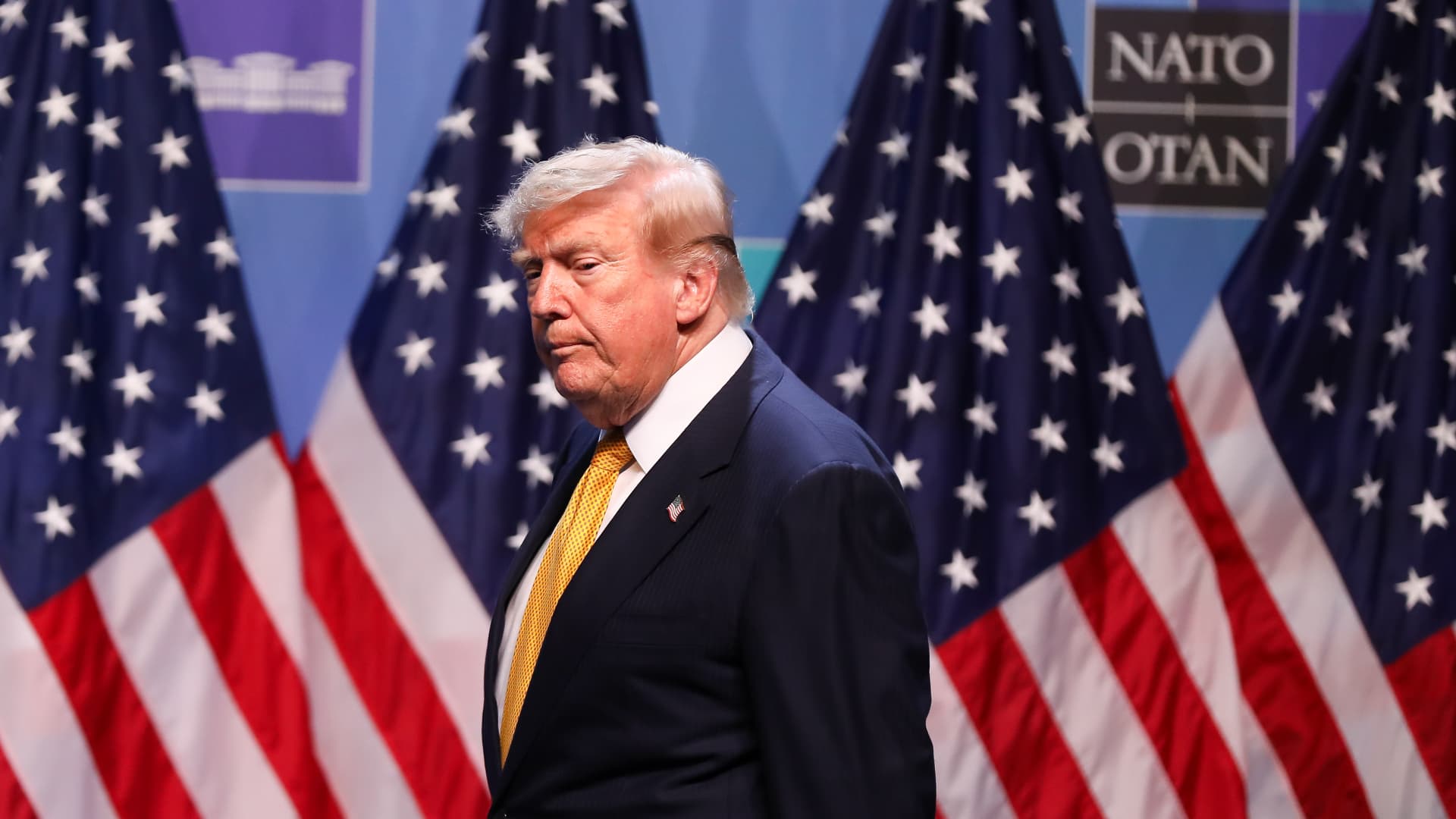
President Donald Trump’s proposal to charge 20% on cargo moving through the Strait of Hormuz has prompted warnings from the shipping industry that the measure could further depress traffic through one of the world’s most sensitive maritime corridors. Kpler data cited by CNBC showed vessel crossings fell to 14 on Sunday, including four crude tankers, from 37 ships a week earlier.
The plan would mark a sharp change in the U.S. position on Hormuz, which Washington had previously argued should remain free of tolls. Trump said in a Truth Social post on Monday that the United States should be reimbursed at a rate of 20% of cargo shipped through the waterway for the costs of securing passage in what he described as a volatile region.
The Strait of Hormuz links the Persian Gulf with the Gulf of Oman and is a critical route for energy and commercial shipping. A charge on cargo would raise the all-in cost of a voyage through the strait, adding a financial burden to existing security concerns. Shipping companies typically assess route risk, insurance costs, crew safety and delays when deciding whether to transit a contested waterway.
Industry warns of lower traffic
BIMCO, the Baltic and International Maritime Council, said any added cost could make ship operators more reluctant to use the route unless the security threat from Iran diminished materially. Jakob P. Larsen, BIMCO’s chief safety and security officer, told CNBC that funding security through a levy on cargo transiting Hormuz was “innovative and well-intentioned,” but that the higher cost would serve as a “further disincentive” to use the strait.
Hapag-Lloyd also criticised the proposal. The container shipping group said charging for passage through international waters was wrong in principle, regardless of which country imposed the fee. The company distinguished Hormuz from the Suez Canal and Panama Canal, where tolls are tied to major infrastructure built and maintained to enable transit.
Traffic through the waterway has already slowed during renewed regional tensions. CNBC reported that a temporary ceasefire agreement signed by the United States and Iran in mid-June has come under strain after the two sides exchanged hostilities for a third consecutive day on Tuesday.
That agreement barred Tehran from levying charges on commercial vessels passing through the strait. Before Trump’s latest proposal, the U.S. had opposed tolling efforts in Hormuz and had warned Oman against helping Iran establish such a system.
Policy shift draws Iranian response
Treasury Secretary Scott Bessent said in a May 28 post on X that all countries should reject Iranian efforts to disrupt the free movement of commerce. He also said the Trump administration would impose sanctions “aggressively” on Oman if it assisted Iran in creating a tolling system, according to his post.
Trump’s Monday post described the United States as “THE GUARDIAN OF THE HORMUZ STRAIT” and said it should receive payment for providing safety and security. The post did not set out operational details on how the 20% charge would be calculated, collected or enforced.
Iranian Foreign Minister Abbas Araghchi responded on X by saying Trump was “absolutely right” that the party providing safe passage through Hormuz should be compensated. Araghchi said Iran had been and would remain the guardian of the strait, adding that “20% is of course too much” and that Iran would be fair.
The exchange leaves shipowners facing a more uncertain operating environment. A toll imposed by the U.S. would add a new cost to a route already affected by military risk, while any parallel Iranian claim to levy charges would deepen legal and commercial uncertainty for carriers and cargo owners.
This story draws on original reporting from CNBC.


