TerraFirma raises $115mn for remote-operated construction equipment
The SpaceX alumni-led startup plans to add 300 staff and build a Texas factory as it develops construction systems for Earth and, eventually, Mars.
By Amanda Ross · Deals Correspondent
· 3 min read
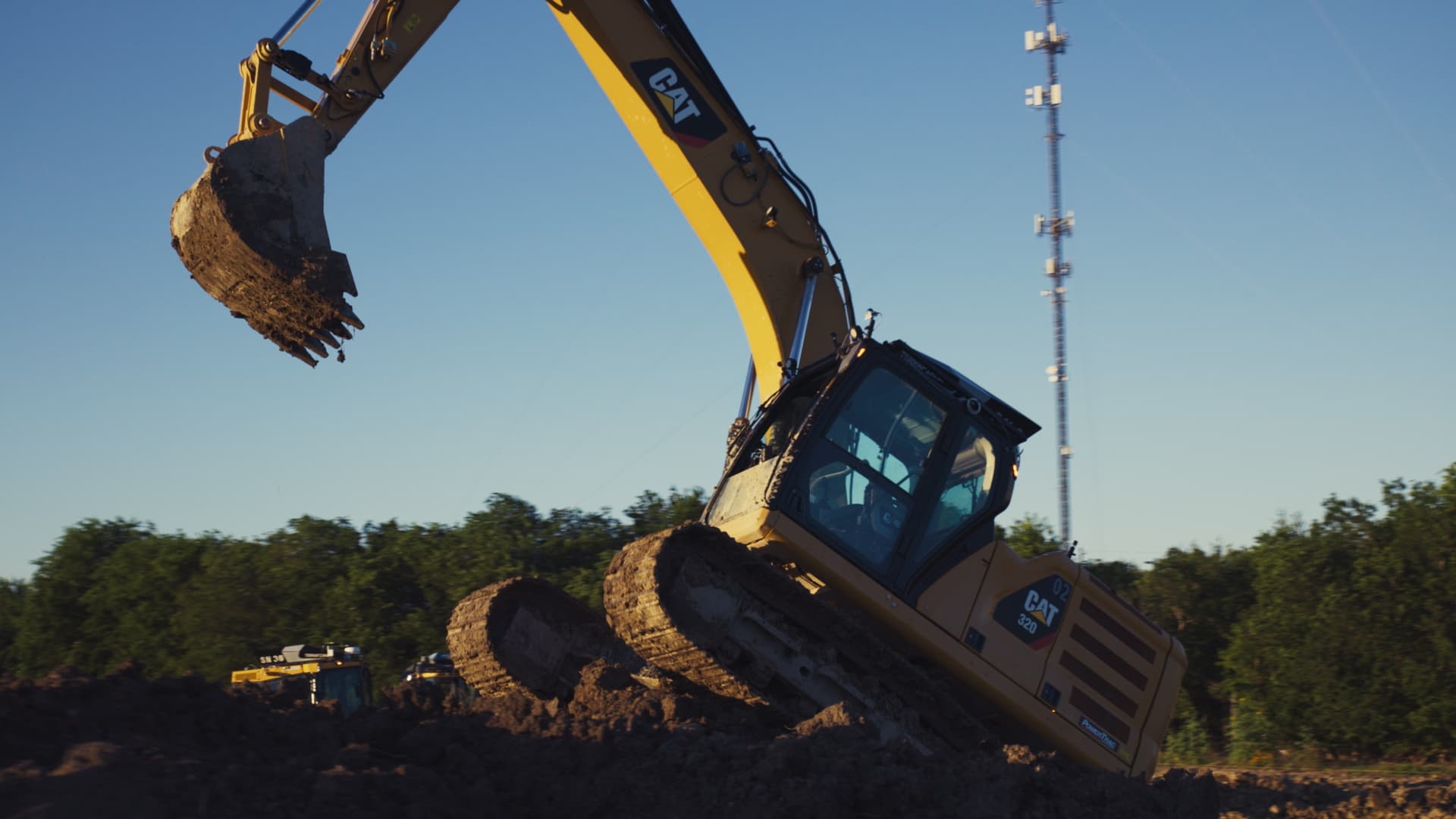
TerraFirma, an Austin-based construction technology company founded by two former SpaceX engineers, has raised $115mn from investors including Kleiner Perkins and Bain Capital Ventures, the company told CNBC. The financing gives the two-year-old startup fresh capital to expand remote-operated heavy equipment, a field it says can lower construction costs and reduce job-site risk.
The round also included angel investors associated with SpaceX, Anduril and Hadrian, according to CNBC. TerraFirma plans to use the money to hire 300 employees over the next year and to build a factory in Texas alongside a mission control centre.
TerraFirma’s system allows technicians to operate construction machinery from a distance through software interfaces, including Xbox-style controllers, according to the company. Remote operation can separate workers from some hazardous tasks while keeping existing heavy equipment in use. The company describes the machines as semi-autonomous, with humans still directing operations.
Chief executive and co-founder Noah Schochet told CNBC that infrastructure constraints are slowing industries that need to develop over coming decades. He said construction has not absorbed many of the manufacturing and automation techniques developed elsewhere in advanced engineering.
SpaceX network feeds construction ambitions
Schochet founded TerraFirma with Noah McGuinness after the pair studied engineering together at Princeton University and later worked at SpaceX. McGuinness worked on Starshield, SpaceX’s government satellite programme, while Schochet worked on Starlink and later Starship, according to CNBC.
The founders have framed TerraFirma as an attempt to bring SpaceX-style scaling methods into construction. Schochet told CNBC that SpaceX was producing rockets comparable in size to skyscrapers at a rapid cadence, while comparable mass-manufacturing and automation processes had not reached construction.
About half of TerraFirma’s engineering team previously worked at SpaceX, Tesla or the Boring Company, CNBC reported. The company sits within a broader group of startups built by former SpaceX employees, including hypersonic weapons maker Castelion and Relativity Space.
Investor interest in space-related companies has been supported by SpaceX’s $86bn initial public offering last month and by NASA’s push to establish a lunar base, CNBC reported. Those developments have encouraged companies seeking roles in a future space economy, including infrastructure providers that could support activity beyond Earth.
Earth projects before lunar bids
TerraFirma’s stated long-term ambition is to build on Mars. For now, the company is focused on proving its systems in terrestrial construction, with recent commercial work including a sports arena and a Starbucks, according to CNBC.
Schochet told CNBC that the company does not want to build around a space market that has not yet developed, and instead is centring its business on economic demand that exists today. TerraFirma also plans to bid on future Moon projects if such opportunities emerge.
The company’s approach reflects a practical constraint facing space infrastructure startups: revenue must be earned in existing markets while governments and private companies work toward longer-term lunar and Martian construction. For TerraFirma, that means using remote-control and automation tools on Earth first, while keeping its extraterrestrial ambitions tied to future procurement and project pipelines.
This story draws on original reporting from CNBC.


