TikTok defends teen safeguards as EU weighs social media age limits
TikTok says it has more than 50 default protections for users under 16 as Brussels considers tighter rules on children’s access to social platforms.
By Sarah Jenkins · Chief Macro Economics Correspondent
· 3 min read
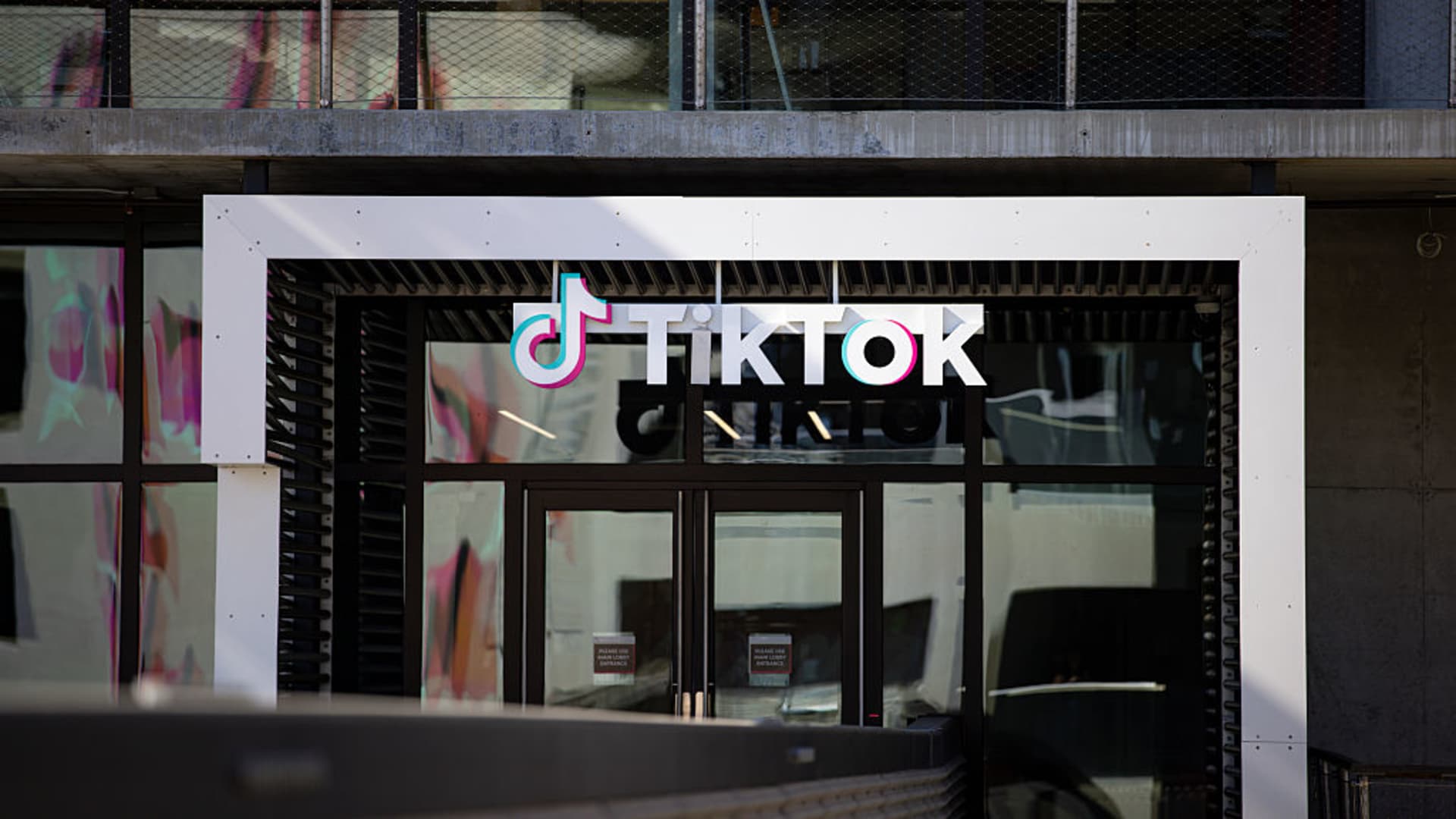
TikTok defended its child-safety controls on Tuesday as the European Union moved ahead with plans to restrict young people’s use of social media, including a possible minimum age for access. Ali Law, TikTok’s director of public policy and government affairs in Northern Europe, told CNBC the platform has more than 50 default safety settings for users under 16.
The debate is intensifying for large technology platforms as governments seek to limit children’s exposure to features they say can encourage excessive use. EU Commission President Ursula von der Leyen said Monday that Europe would proceed with restrictions on children’s social media use after a special panel she commissioned examined online child safety.
Von der Leyen said Europe’s position was that parents should raise children rather than “predatory algorithms,” adding that social media “is not a toy.” She said parents ultimately decide when children receive smartphones, but that there was already agreement on the need for a starting age at which children can join social media.
TikTok points to default controls
Law told CNBC’s “Squawk Box Europe” that TikTok was designed with safety built into the product and that the company was aware of concerns from both parents and policymakers. He said TikTok wanted users to have what he described as a healthy and safe relationship with the app because people derive benefits from using it.
According to Law, protections for users under 16 include a one-hour screen-time limit and a 10 p.m. screen takeover that prompts users to take a break. Some measures appear as warnings, and younger users can choose to continue using the platform.
Other default limits bar users under 16 from using direct messages or selling through TikTok Shop, Law said. He described the controls as prompts intended to encourage balanced use, and said excessive use would not serve TikTok’s interests if users became burned out and no longer found value in the service.
Law also told CNBC that TikTok spent $2 billion on trust and safety last year.
Regulatory pressure widens
The EU push forms part of a broader global shift toward statutory controls on children’s access to social platforms. Australia became the first country to legally enforce a ban in December, while the U.K., France, Greece and Spain have announced similar restrictions, according to CNBC.
Von der Leyen has previously said the EU would act against what she called “TikTok and its addictive design,” citing features such as infinite scrolling, autoplay and push notifications. Those features have become central to policy debates over whether platform design can increase compulsive use among younger audiences.
TikTok has also faced legal scrutiny over allegations that social media design harms young people’s mental health. Earlier this year, the company settled with a plaintiff in a high-profile case that also made claims against platforms including Instagram and YouTube over features such as infinite scrolling, according to CNBC.
In the same case, Meta and Google were later found negligent by a jury for failing to warn users about the dangers of using their platforms, CNBC reported.
The EU’s next steps could affect how social media companies verify age, design youth accounts and structure default settings across one of the world’s largest regulated digital markets. For platforms, the policy question is increasingly shifting from voluntary safety tools to enforceable rules governing access and product design for minors.
This story draws on original reporting from CNBC.