TSMC speeds Arizona expansion as AI demand lifts capex plans
CFO Wendell Huang told CNBC the chipmaker is adding $100 billion to its Arizona plans, taking its investment pipeline there to $265 billion.
By Sarah Jenkins · Chief Macro Economics Correspondent
· 3 min read
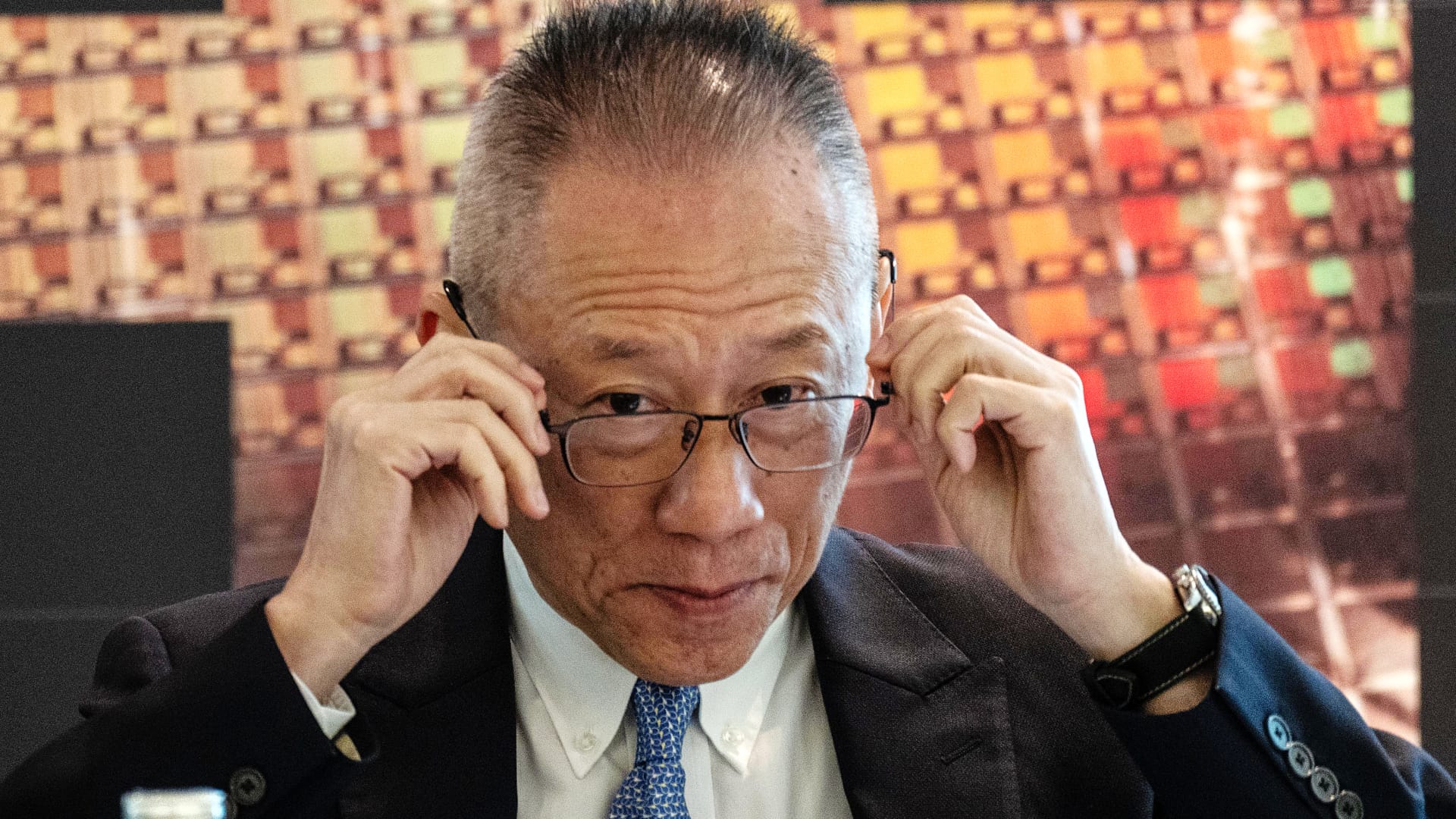
Taiwan Semiconductor Manufacturing Co. is accelerating its Arizona buildout and adding $100 billion to its U.S. investment plans as demand for chips used in artificial intelligence keeps rising, Chief Financial Officer Wendell Huang told CNBC. The commitment raises the company’s Arizona investment pipeline to $265 billion and comes alongside a higher full-year capital expenditure plan of $60 billion to $64 billion, according to CNBC.
Huang said in an interview with CNBC’s Emily Tan that the expansion reflects strong demand from U.S. customers and support from the government. TSMC, the world’s leading contract chipmaker, manufactures semiconductors for other companies and has become a central supplier to the AI computing cycle.
“We’re seeing this strong-structure, multi-year demand, and we do not plan to leave any food on the table for anybody else,” Huang told CNBC. He said TSMC expects to keep delivering profitable growth to shareholders if the AI demand trend remains intact.
Advanced nodes drive capacity decisions
Huang said TSMC is adjusting its most advanced production lines to meet customer orders, including converting some 5-nanometer capacity to 3-nanometer production. In chip manufacturing, the nanometer designation refers to the size of transistors on a semiconductor. Smaller transistors allow more of them to fit on a chip, which can improve performance and energy efficiency.
The company’s first Arizona phase, which uses 4-nanometer technology, is already operating, Huang told CNBC. He said output from that site would grow over the next several quarters.
Huang also identified 2-nanometer technology as a new revenue contributor for TSMC. According to CNBC, the technology started generating revenue in the second quarter and is expected by the company to be a driver in the third quarter.
The new U.S. investment will cover both front-end wafer fabrication and back-end advanced packaging facilities, Huang said. Front-end fabs make the semiconductor wafers, while advanced packaging connects and assembles chips in ways that can improve computing performance, a key requirement for high-end AI systems.
Costs, markets and controls
Huang said building fabs in the U.S. costs four to five times as much as in Taiwan. He told CNBC that dilution from overseas operations would initially widen as those operations expand, but said the investment would help develop the U.S. semiconductor ecosystem.
TSMC’s shares rose more than 1% after it reported earnings, then fell 7% on Friday, according to CNBC. The stock remained up about 48% for the year to date. Huang said TSMC could not control financial markets and would focus on business fundamentals.
The CFO also said the company sees limited impact from higher component prices because of its focus on the high-end market. CNBC reported that TSMC views the impact of Middle East conflicts as manageable because it uses diversified sourcing and maintains safety stocks.
On China, Huang said TSMC continues to comply with export controls while serving Chinese customers. He told CNBC those customers account for about 8% of the company’s revenue.
TSMC is also looking at longer-term growth areas. Huang said the company’s joint venture with Sony for image sensors is part of its strategy to support customers in specialty technologies, including applications linked to physical AI.
This story draws on original reporting from CNBC.


