United to sell extra-legroom rows with blocked middle seats
United says the paid option will debut on Airbus A321XLR aircraft, adding another cabin upsell as airlines split fares into narrower tiers.
By Sarah Jenkins · Chief Macro Economics Correspondent
· 3 min read
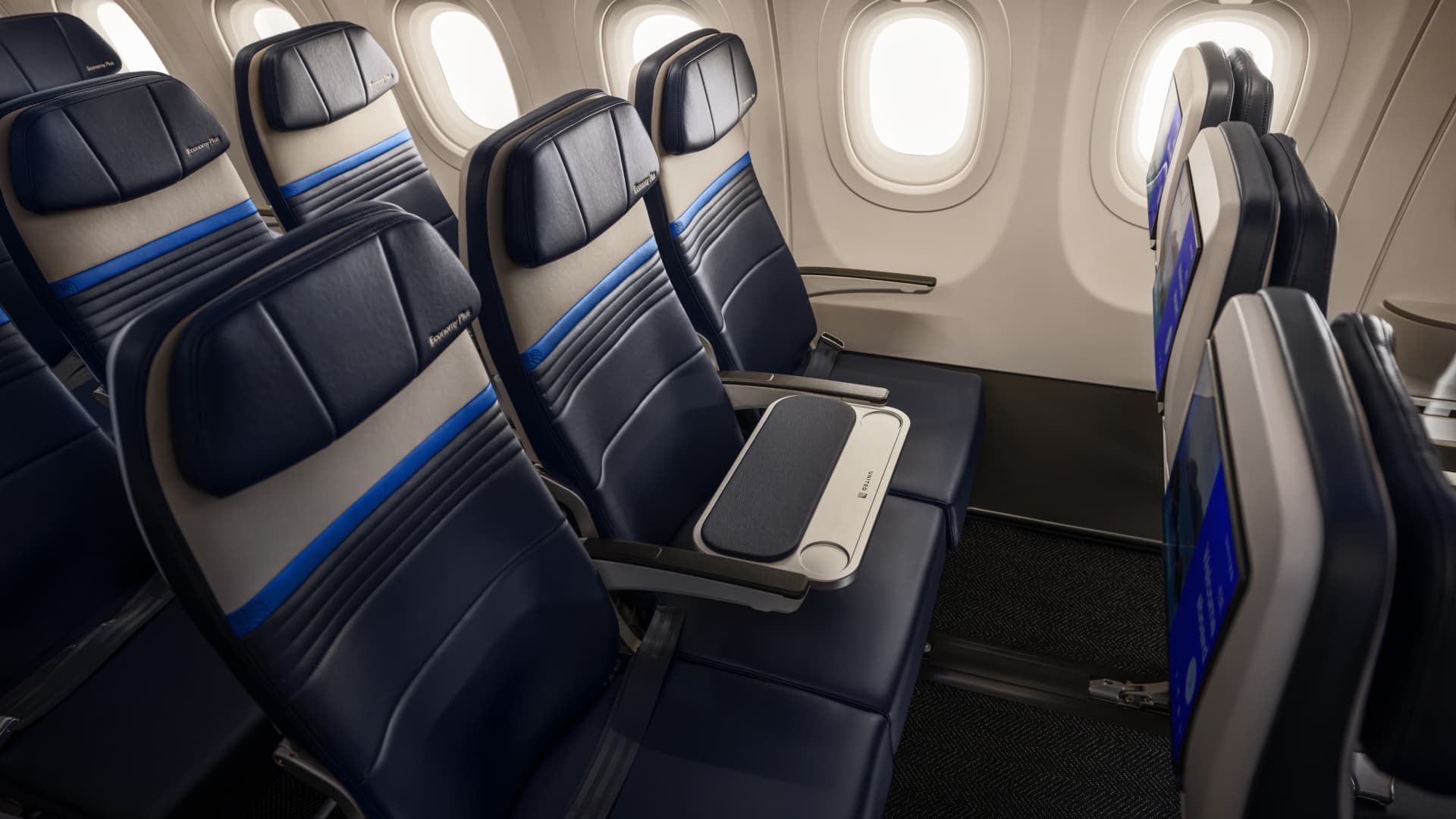
United Airlines plans to sell seats in selected extra-legroom rows where the middle seat is kept out of inventory, adding another paid product aimed at passengers willing to spend more for space. The carrier said Tuesday the option will appear on its Airbus A321XLR, a long-range narrow-body aircraft, with sales due to begin later this year and pricing still undisclosed.
The configuration places a tray table in the unused middle seat, shared by the passengers in the aisle and window seats. United said one row on the aircraft will use the arrangement, and the company could later extend the product to other aircraft beyond the A321XLR fleet.
The move adds a new layer to United’s extra-legroom offering. Rather than selling a wider seat or a separate cabin, the airline is monetising the absence of a seatmate in a standard three-seat row. For customers, the product changes the experience by creating more elbow room and a shared surface between two occupied seats. For the airline, it converts a blocked seat into a paid attribute attached to the remaining seats in the row.
Cabin segmentation accelerates
CNBC reported that the practice is more established in Europe, where airlines often market a blocked middle seat as part of short-haul business class. United’s version applies the concept to a U.S. carrier’s long-range narrow-body aircraft and places it within the extra-legroom section rather than a traditional business-class cabin.
Airlines have increasingly divided aircraft cabins and fare products into smaller categories, charging separately for benefits that may once have been bundled into higher fares. The strategy gives carriers more ways to raise revenue per passenger without changing the base ticket price, while giving travellers a wider range of paid choices.
Delta Air Lines last week joined United in introducing lower-priced business-class and premium-economy fare categories that exclude some benefits previously included with those tickets, according to CNBC. Delta’s lowest long-haul business-class fares will no longer include access to its top-tier Delta One lounge or seat selection, CNBC reported.
United has also announced another economy-cabin product. In March, the carrier said it planned to introduce a set of three economy seats that can convert into a bed on some wide-body aircraft, a product it calls the Relax Row.
Premium demand shapes aircraft interiors
The latest product sits within a broader airline push toward premium and semi-premium seating. Carriers have spent years adding more higher-priced seats as demand for premium cabins has shown greater resilience, CNBC reported. Larger and more complex premium cabins can lift revenue potential, but they also add operational and manufacturing complexity.
CNBC reported that the industry’s increasingly elaborate premium seats have contributed to delays in some new aircraft deliveries. Those seats require certification, specialised components and cabin installation work, making the interior a more important part of the aircraft production schedule.
United has not said how much it will charge for the blocked-middle-seat row, how many A321XLR aircraft will initially carry it, or which routes will feature the product. The airline’s statement leaves open the possibility of a broader rollout if the option gains traction with customers.
This story draws on original reporting from CNBC.


