Warsh tells Congress Fed will press inflation fight as AI spending rises
The Fed chair said monetary policy must restore price stability while data-center and AI investment support a resilient U.S. expansion.
By Sarah Jenkins · Chief Macro Economics Correspondent
· 3 min read
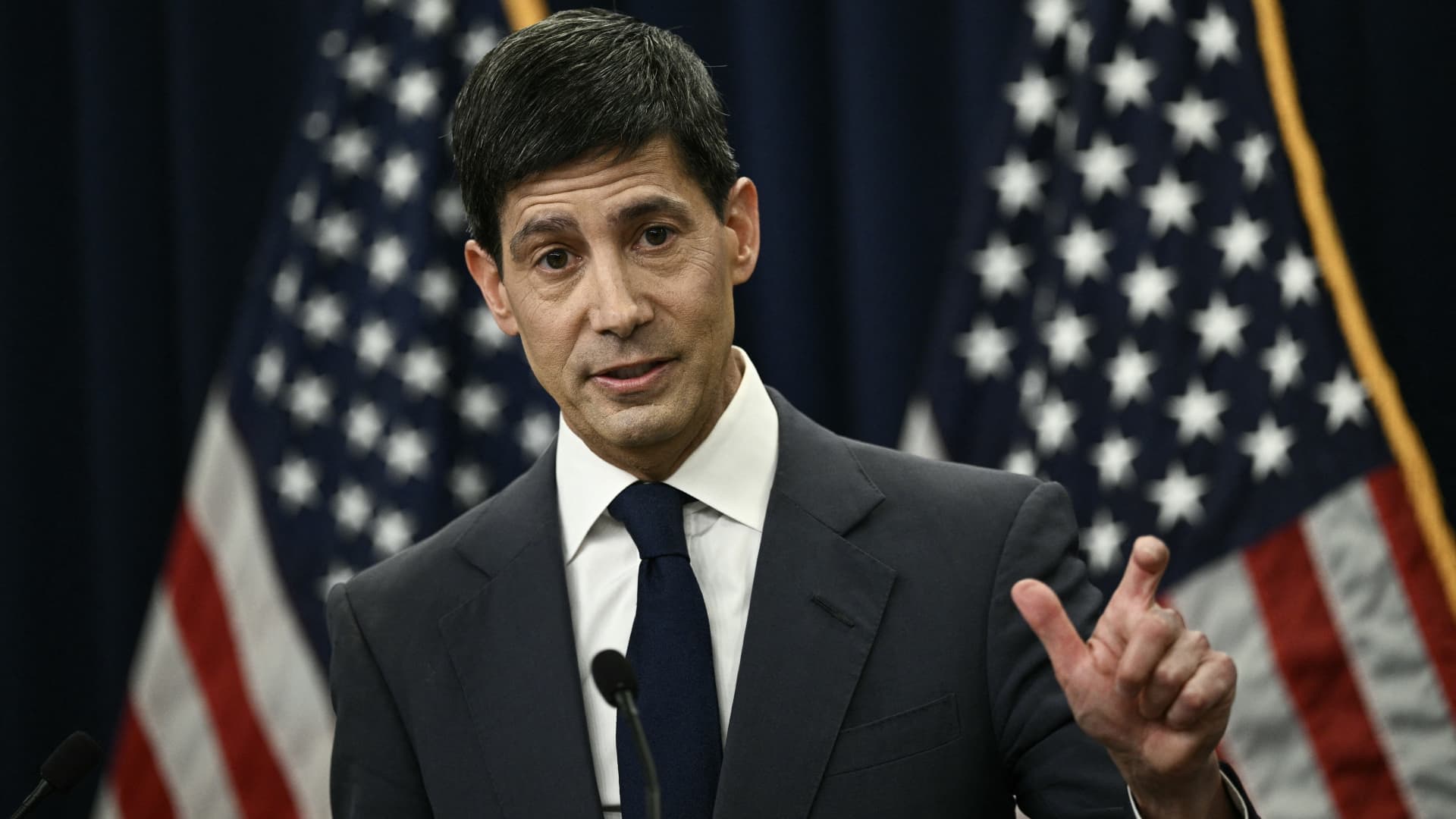
Federal Reserve Chair Kevin Warsh told lawmakers he intends to bring inflation back under control after five years above the central bank’s target, while describing U.S. growth as resilient and supported by a surge in artificial intelligence investment. In prepared remarks for congressional testimony this week, Warsh said the Fed’s primary task is to set policy correctly and that, if it does, the recent inflation surge will become “a thing of the past.”
Warsh is scheduled to appear Tuesday before the House Financial Services Committee and Wednesday before the Senate Banking Committee. The hearings are part of the semiannual monetary policy testimony required of Fed chairs, combining a report on economic conditions with questioning from legislators.
The testimony comes about two months after Warsh took office. He inherited a central bank that has faced inflation above its 2% mandate since 2021, with households and companies absorbing broad increases in costs. Warsh said elevated prices have imposed an “undue burden” on American households and businesses, and he identified a recent rise in energy costs as a material contributor to the latest inflation pressure.
Warsh’s remarks restated a hawkish message he has delivered since becoming chair. During his confirmation process, he described inflation as “a choice,” and at his first press conference he repeatedly emphasized the need to reduce the cost of living.
In the testimony, Warsh said monthly price movements can be volatile, especially against an unsettled global backdrop, but argued that inflation over longer periods is largely shaped by monetary policy. “The members of our Committee have no tolerance for persistently elevated inflation,” he said, adding that policymakers share a commitment to restoring price stability.
AI investment seen as a support for growth
Warsh also gave a constructive assessment of the broader economy, saying output is expanding at a solid pace and has shown resilience despite recent developments. He singled out business investment as the most notable feature of current conditions.
According to Warsh, much of that strength reflects the buildout of data centers and related demand for AI hardware, equipment and software. He said the pace of investment appears to be accelerating, although he acknowledged uncertainty about how much the economy will ultimately gain from the AI buildout.
Warsh has previously argued that stronger productivity from artificial intelligence could ease inflation pressures over time. CNBC reported that some economists and Fed policymakers have questioned that premise. Productivity gains can reduce unit costs if output rises faster than labor and capital expenses, but the timing and scale of those effects are uncertain, particularly while AI infrastructure requires large upfront spending on power, chips, land and construction.
Fed review continues
Warsh also used the testimony to describe five internal task forces he has established to examine the Federal Reserve’s operations. The groups will study communications, technology, the balance sheet, economic data used by the central bank and its approach to inflation analysis.
He framed the review as the start of a “new chapter at the Federal Reserve,” echoing his earlier call for a regime change at the institution. Since taking office, however, Warsh has adopted a more conciliatory tone toward staff and colleagues than he used before his appointment, saying it had been a privilege to return to the Fed and work with its employees.
This story draws on original reporting from CNBC.