Percepto drone inspection platform targets energy infrastructure risk
Percepto’s autonomous drone system aims to widen energy inspections as Skydio says a utility found bolts that could have caused a 30-day outage.
By Rafael Ortiz · Fintech Correspondent
· 3 min read
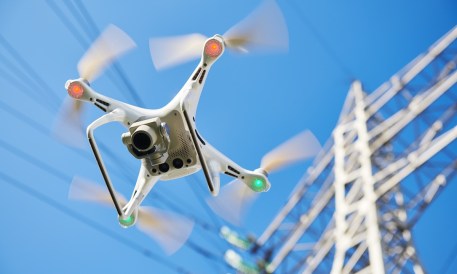
Percepto has introduced a Percepto drone inspection platform for energy infrastructure, adding another data source for utilities, oil and gas operators, and the financial firms exposed to their physical assets. The Austin-based company said in a June 22 press release that its next-generation artificial intelligence system combines autonomous drones with onboard AI to collect inspection data at a scale manual teams cannot match.
The launch reflects a broader move in industrial monitoring from periodic checks toward more frequent surveillance of critical equipment. For operators, the issue is operational reliability. For lenders and insurers, the same data can affect how they assess collateral tied to power plants, pipelines and substations.
Percepto said the platform is designed to work more like an experienced inspector than a camera flying a preset route. According to the company, the system decides what to capture and links findings to specific pieces of equipment, rather than producing footage that a human reviewer must interpret later.
“The next phase of industrial autonomy is about unlocking more value from the infrastructure energy companies already operate,” Percepto Chief Executive Dor Abuhasira said in the company’s announcement.
How do drone infrastructure inspections reduce risk?
Drone inspection systems can reach angles and equipment positions that may be difficult for ground crews or bucket trucks. They also allow operators to repeat the same inspection path more frequently, creating a record of asset condition over time instead of relying only on scheduled site visits.
Skydio, another autonomous drone maker, said more than 280 utilities use its drones for infrastructure inspection, including some of the largest power companies in the United States. In a customer case study, Skydio said Southern California Edison used a Skydio X10 drone to inspect substation equipment from angles unavailable to a ground crew.
The drone identified several loosening pivot bolts that could not be seen from the ground, Skydio said. According to the case study, the discovery prevented what would have become a 30-day outage.
Skydio also said its drones help utilities respond to outages and complete planned inspections three times faster than crews using bucket trucks, while getting close enough to capture details missed by more distant methods.
What is condition-based maintenance?
Condition-based maintenance means equipment is inspected or serviced according to its actual condition, rather than only on a fixed calendar. A time-based program may check assets once or twice a year, while a condition-based system can adjust attention when new data shows a possible problem.
That distinction is material for financial institutions with exposure to energy infrastructure. A manual inspection gives a lender or insurer information about an asset at one point in time. A drone or robotic inspection program that flies weekly, or daily in some deployments, can shorten the period in which asset deterioration goes unseen.
PYMNTS has reported that financial institutions already use AI systems to monitor risk more continuously in areas such as fraud detection, where models can run on live transaction data. PYMNTS has also reported that AI agents are being used in mortgage servicing for document review, credit scoring, risk assessment and borrower communication.
The same logic is now moving toward physical collateral. If infrastructure owners adopt systems such as those offered by Percepto and Skydio, lenders and insurers may gain access to risk evidence that is updated more frequently than traditional inspection schedules allow. The result is a shift from assuming an asset has not changed since the last visit to reviewing records that can show how its condition has evolved.
This story draws on original reporting from PYMNTS.