AI political groups spend $44 million as Congress weighs regulation
Leading AI-aligned super PACs have raised more than $200 million and are backing candidates as federal AI rules take shape.
By Amanda Ross · Deals Correspondent
· 3 min read
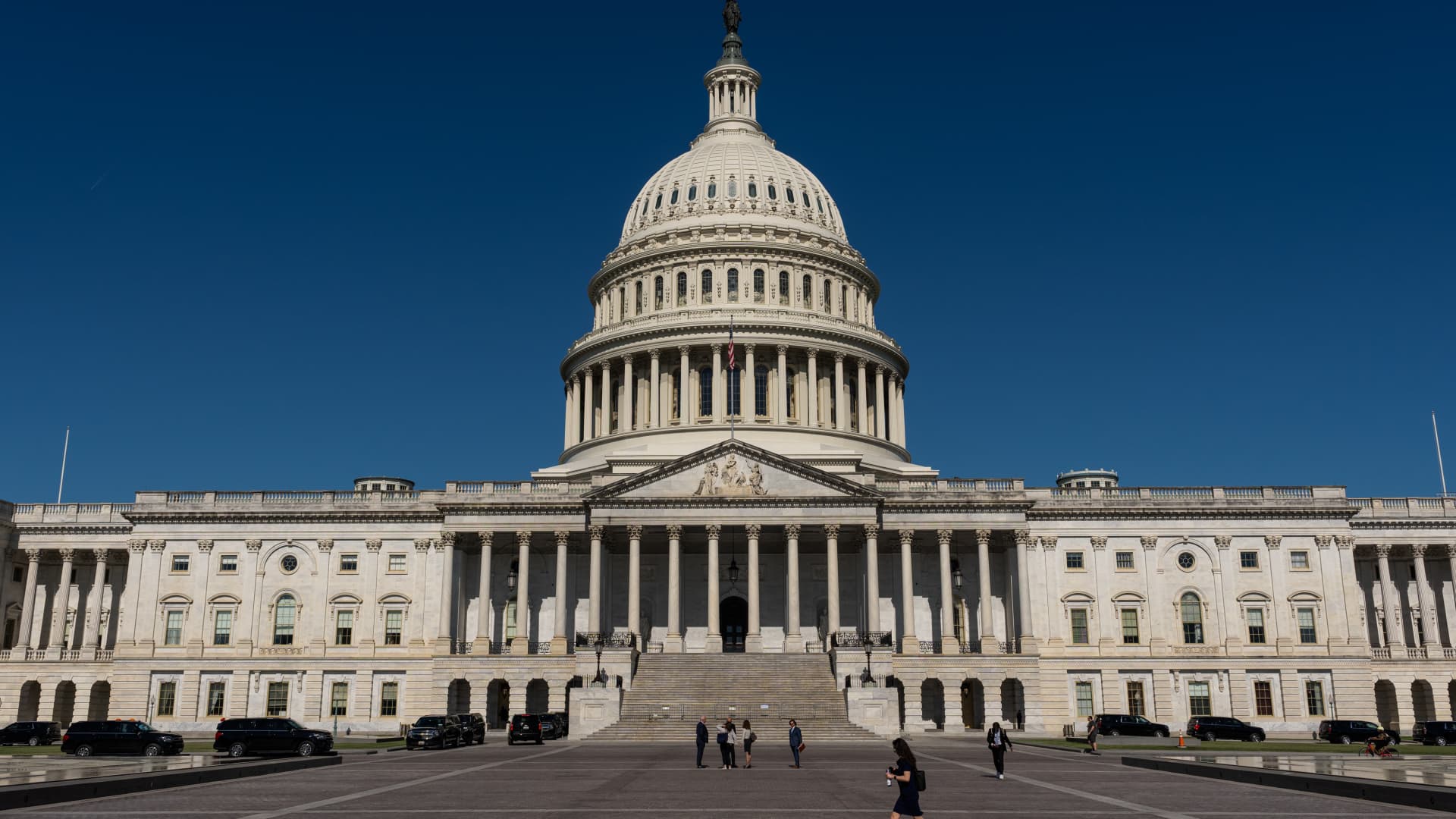
Two major artificial intelligence-focused super PACs have spent at least $44 million on 40 House and Senate candidates through the end of June, according to a CNBC analysis of Federal Election Commission data. The groups have raised more than $200 million for the 2026 primaries and general election, positioning the AI industry to shape congressional debate over national rules for the technology.
The spending comes as lawmakers consider how to regulate powerful AI systems and whether federal law should override state-level rules. CNBC reported that most candidates supported by the two groups have won their primaries, giving the sector a growing presence in contests that may determine the next Congress.
Leading the Future has spent more than $24 million in primary races through June, according to FEC filings cited by CNBC. The group said it had raised $125 million by the end of 2025 from donors including Andreessen Horowitz, OpenAI co-founder Greg Brockman, Palantir co-founder Joe Lonsdale, SV Angel founder Ron Conway and AI software company Perplexity.
Public First Action has spent $20 million so far and said last month it had raised $80 million through the end of June. A spokesman for the group told CNBC that Anthropic contributed $20 million, with the funds restricted to public education on AI policy rather than political activity. Public First Action does not disclose its donors, though Brad Carson, who leads the organization, told CNBC it has received donations from employees of OpenAI, Google, DeepMind and X.
Primary wins give AI groups early momentum
Leading the Future has backed 28 candidates, of whom 25 have won primaries, according to CNBC. Two have not yet faced voters and one, Jesse Jackson Jr., lost. The group also opposed Alex Bores, who was defeated in the Democratic primary for New York’s 12th Congressional District.
Public First Action has supported candidates in 11 races. CNBC reported that every candidate it backed has won except Bores. Carson said the group expects to spend in 50 to 60 races by the end of the midterm cycle.
The strategy resembles the political model used by crypto-aligned PAC Fairshake in 2024, when it spent $200 million backing candidates supportive of the digital asset industry, according to CNBC. After that election, a major stablecoin bill became law and broader digital asset legislation advanced.
Regulatory split centers on federal preemption
Both AI groups support some regulation, including measures related to child safety online, CNBC reported. Their clearest difference concerns whether Congress should establish a single national standard that limits or overrides state AI laws.
Josh Vlasto, co-leader of Leading the Future, told CNBC that lawmakers need a “broad, national, consistent framework for regulation governing AI.” He said the group is not opposed to state laws and cited its support for New York’s RAISE Act.
The New York law also illustrates the group’s more selective position. Leading the Future spent about $8 million opposing Bores, in part because of his role in advancing a tougher version of the RAISE Act before Gov. Kathy Hochul secured changes that reduced reporting requirements for AI companies and lowered penalties, CNBC reported.
Public First Action has been more supportive of state regulation and has opposed efforts to preempt state laws. Carson told CNBC that if Congress produces a comprehensive federal framework, preemption would be “a natural part of our constitutional order.”
Republicans have tried several times to override state AI laws, CNBC reported. House Majority Leader Steve Scalise, a Louisiana Republican, told CNBC that state laws are “hurting innovation” and that preemption would be “the foundation of anything we do.” Rep. Ted Lieu, a California Democrat and co-chair of a House Democratic AI commission, said there is “definitely bipartisan disapproval of preempting with nothing,” while noting that many Democrats recently supported a kids online safety bill that set a federal privacy floor.
This story draws on original reporting from CNBC.


