Berkshire narrows 2026 stock gap but remains behind S&P 500
Berkshire Hathaway’s B shares are down 1.8% in 2026, while the S&P 500 is up 10.7%, according to CNBC calculations.
By Sarah Jenkins · Chief Macro Economics Correspondent
· 3 min read
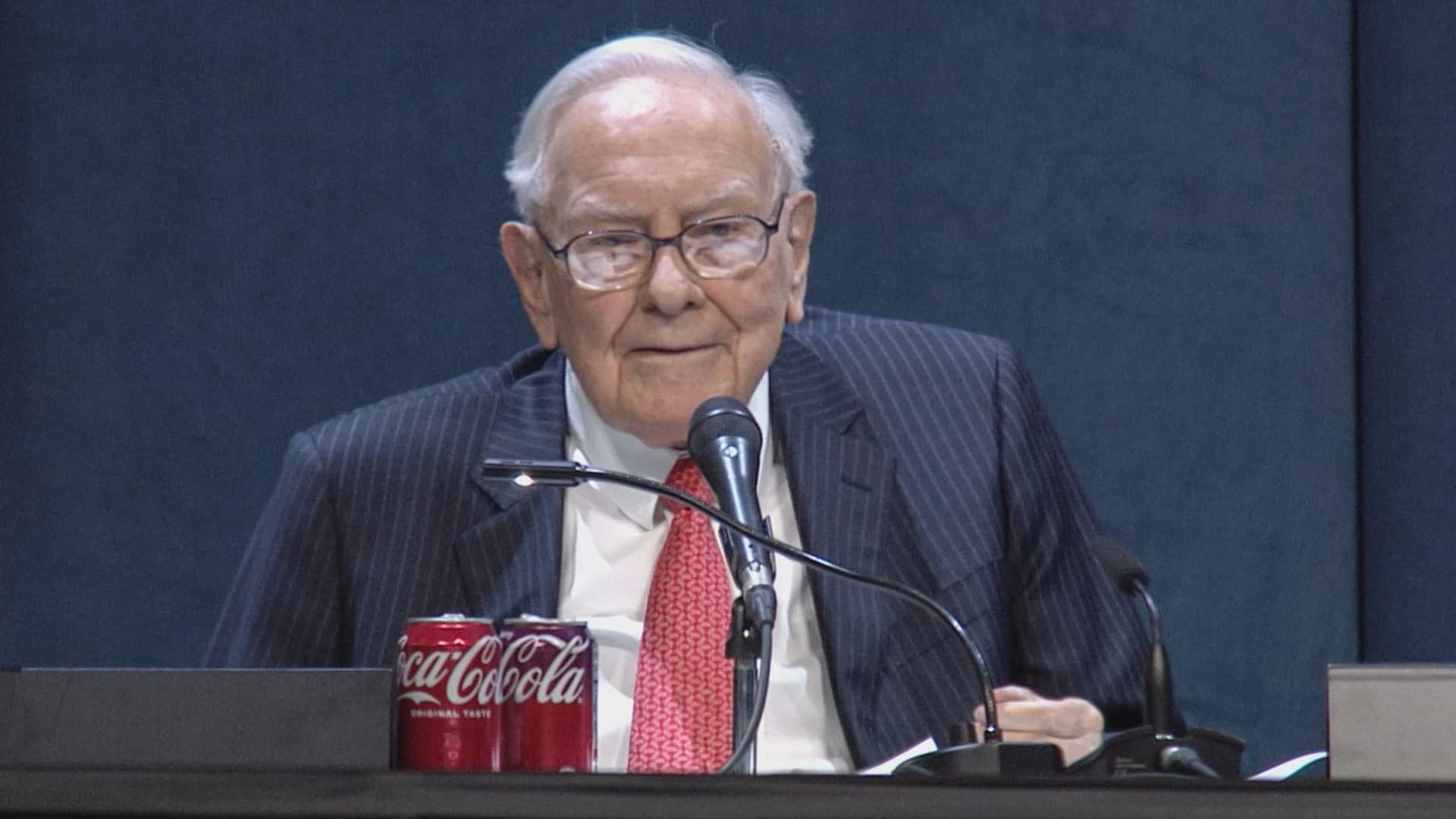
Berkshire Hathaway’s B shares have recovered some ground in 2026 but remain well behind the broader U.S. equity market, according to CNBC. The stock is down 1.8% for the year, compared with a 10.7% gain for the S&P 500, leaving Berkshire 12.4 percentage points behind the index.
On a total-return basis, which includes dividends paid by S&P 500 constituents, the index is up 11.4%, CNBC reported. That widens Berkshire’s relative deficit to 13.1 percentage points because Berkshire does not pay a dividend.
The gap had been wider at the start of June. CNBC said Berkshire’s June rally erased nearly one-third of a 17.5 percentage point shortfall recorded on June 1, the largest underperformance margin for the company so far this year.
Tech-led index gains weigh on relative performance
Berkshire’s improvement has not been enough to reverse a weaker second-quarter stretch. Over the second quarter and the first 10 days of July, Berkshire gained a little more than 3%, while the S&P 500 advanced 16%, according to CNBC, which described the index move as driven by technology shares.
That move erased Berkshire’s narrow lead at the end of March, when the company was ahead of the S&P 500 by 1.8 percentage points, CNBC reported. Relative performance is measured by subtracting one return from the other, so a company can rise in price and still lose ground if the benchmark rises faster.
Berkshire also lagged the S&P 500 in 2025. CNBC said the company trailed the index by 5.5 percentage points excluding dividends and by 7.0 percentage points when dividends were included.
Cash, buybacks and portfolio disclosures
CNBC listed Berkshire’s Class A shares at $739,750 and its Class B shares at $493.71. The company’s market value was given as about $1.064 trillion, with a trailing price-to-earnings ratio of 14.70 for the B shares.
Berkshire held $397.4 billion in cash as of March 31, up 6.5% from Dec. 31, according to figures cited by CNBC. Excluding railroad cash and subtracting Treasury bills payable, the cash figure was $380.2 billion, up 3.0% over the same period.
The company bought back $234 million of its own shares in the first quarter of 2026, CNBC reported. Repurchases reduce the number of shares outstanding and can increase each remaining share’s claim on earnings, although the effect depends on the price paid and the company’s operating results.
Berkshire’s disclosed publicly traded equity holdings in the U.S. and Japan were based mainly on its March 31 positions, as reported in a 13F filing submitted to the U.S. Securities and Exchange Commission on May 15, according to CNBC. A 13F filing shows certain U.S.-listed equity holdings of large investment managers after quarter-end, so it may not capture later trades.
CNBC said its portfolio list also included Alphabet shares tied to a $10 billion direct purchase Berkshire agreed to make from the company, as announced on June 1. CNBC noted Berkshire has not formally disclosed whether that transaction has been completed. The Alphabet entry combined Class A and Class C shares, while Mitsubishi was listed as of April 30.
Berkshire executives appear at Sun Valley
Berkshire Chief Executive Greg Abel and portfolio manager Ted Weschler were listed by Forbes as attendees at Allen & Co.’s invitation-only conference in Sun Valley, Idaho. CNBC and Reuters photographs also showed both executives at the event.
The gathering included technology and media figures such as Jeff Bezos, Mark Zuckerberg and Sam Altman, according to Forbes. Warren Buffett attended the conference for decades but has not gone in the past few years, CNBC reported.
Buffett used a 1999 appearance at Sun Valley to warn that investors were expecting too much from internet stocks, while acknowledging that the internet would have a major effect, according to a transcript hosted by Berkshire.
This story draws on original reporting from CNBC.


