Home entertainment costs rise as consumers pull back on leisure spending
Price increases across streaming, gaming devices and electricity are making at-home leisure less insulated from inflation, according to PNC and government data.
By Sarah Jenkins · Chief Macro Economics Correspondent
· 3 min read
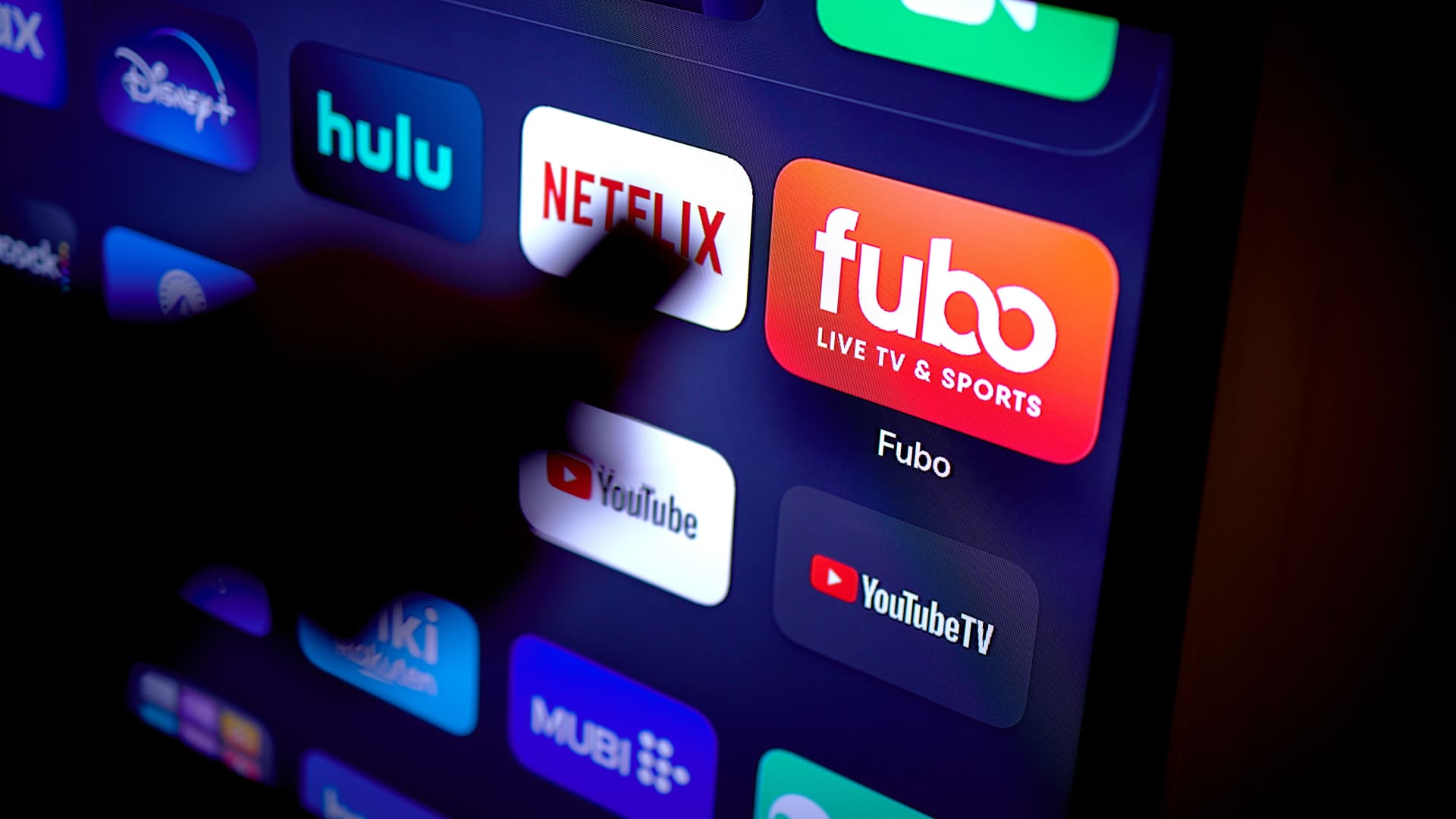
U.S. consumers are cutting back on some at-home entertainment as price increases spread from live events to streaming, gaming and the devices that support them, according to data analyzed by PNC Financial Services for CNBC. PNC found that average home-entertainment spending activity fell in June from a year earlier, with Gen Z and millennial consumers each reducing transactions by about 4%.
The shift extends a pattern often described as “funflation,” a rise in the cost of leisure activities that accelerated after pandemic restrictions eased. PNC senior economist Brian LeBlanc told CNBC that the pressure is visible in travel, entertainment and concerts, and is now appearing more clearly in home leisure.
For households, the effect is cumulative. Streaming platforms have lifted monthly fees, game consoles have become more expensive, and electricity bills have risen sharply since before the pandemic. That combination weakens the long-running assumption that staying home is a reliable way to avoid the higher costs of entertainment outside the home.
Gaming and streaming prices climb
Microsoft’s Xbox business and Apple announced device price increases in late June. Apple said in a statement that the move was “not welcome news.” Nintendo said a month earlier that it would raise the U.S. price of its Switch 2 by 11%.
The companies cited higher component costs linked to an artificial intelligence-driven shortage of memory chips. That mechanism matters for consumers because memory is a core input for consoles, computers and related devices. When chip supply tightens and demand rises, manufacturers can face higher costs that may be passed through in retail prices.
Deborah Weinswig, founder of Coresight Research, told CNBC that some increases could push consumers out of the market. Xbox CEO Asha Sharma said at a Fortune event last month that gaming is becoming harder to afford and that Microsoft would focus on lower-cost consoles. Microsoft this week announced layoffs affecting thousands of workers in its Xbox unit and plans to spin off several gaming studios, according to CNBC.
Subscription entertainment has also become more expensive. Netflix, Amazon and Spotify announced price increases earlier this year, after Disney and Warner Bros. Discovery’s HBO Max raised prices in late 2025. Apple increased the price of TV+ in mid-2025, its third rise in three years.
Fox Corp.’s free, ad-supported Tubi service has in some cases drawn viewership above major paid streamers, according to CNBC, as executives bet that some consumers will accept advertising in exchange for avoiding another subscription.
Inflation data show the squeeze
Government price data show how much home leisure has changed since 2019. The Bureau of Labor Statistics reported that prices for video and video game rentals and subscriptions rose 53.1% from January 2019 to June 2026. Television services, including cable, satellite and live streaming, rose 26.8%, while recorded music and music subscriptions climbed 14%.
Recreational books moved in the opposite direction, falling 3.7% over the same period. Overall recreation prices rose 19.7%, while electricity increased 44.8%, according to the Bureau of Labor Statistics. CNBC cited supply shocks tied partly to Russia’s 2022 invasion of Ukraine and the 2026 war with Iran as factors behind higher power prices.
PNC said inflation in out-of-home leisure categories, including sporting events and amusement parks, also accelerated in 2026 and is adding pressure to the core personal consumption expenditures price index, the Federal Reserve’s preferred inflation gauge.
TicketData said this week that median ticket prices for this year’s FIFA World Cup, co-hosted by the U.S., are above $900. FIFA President Gianni Infantino told CNBC that a U.S. World Cup match was a “once-in-a-lifetime opportunity” and said demand was far higher than at previous tournaments.
Economists cited by CNBC warned that rising leisure costs can deepen household dissatisfaction at a time when the University of Michigan’s consumer sentiment index has fallen to record lows in recent months.
This story draws on original reporting from CNBC.