US housing starts fell to 1.246mn annual rate in October
Calculated Risk said October housing starts were 7.8% below a year earlier, while year-to-date activity was down 0.7%.
By David L. Chen · Senior Columnist
· 2 min read
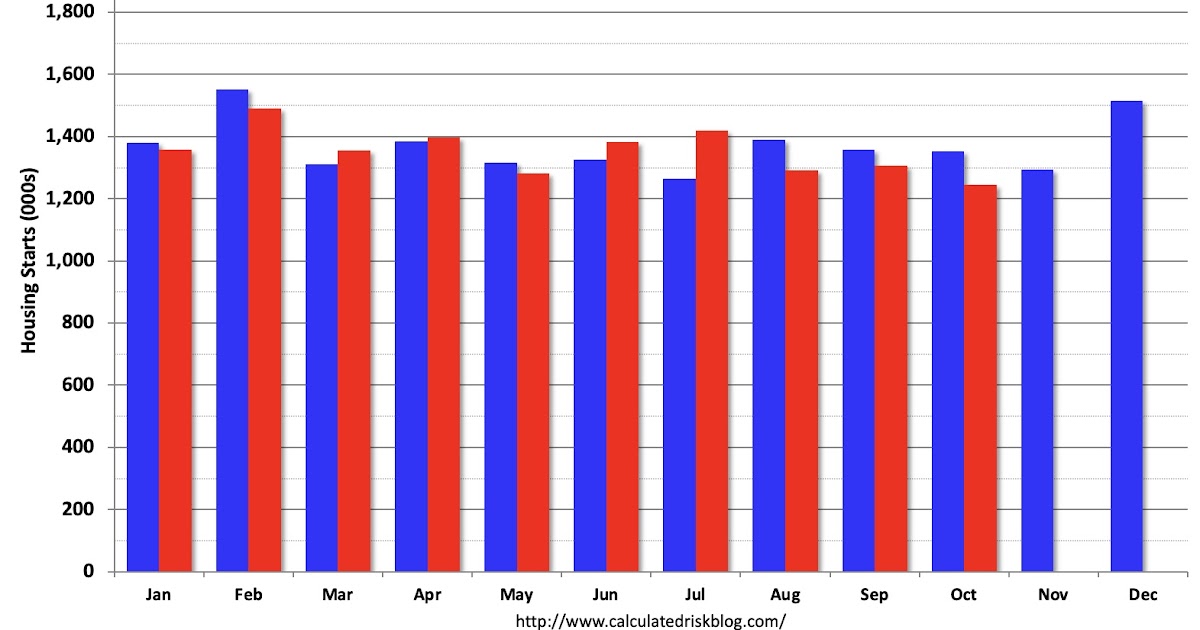
US housing starts declined to a 1.246mn annual rate in October, according to the Calculated Risk Real Estate Newsletter, which cited newly released Census Bureau data. The October pace was 7.8% lower than in the same month of 2024, pointing to a weaker year-on-year reading for residential construction starts.
The data arrived with a timing caveat. Calculated Risk said the Census Bureau was still catching up on its release schedule and had issued starts data for both September and October, while November figures remained unavailable.
Housing starts track the beginning of construction on new residential units. The annual rate expresses a monthly level as a yearly pace, allowing investors, builders and policymakers to compare activity across periods even when the underlying release covers a single month.
For the first 10 months of 2025, total housing starts were down 0.7% from the comparable period in 2024, Calculated Risk said. That modest aggregate decline masked a split between single-family and multifamily construction.
Single-family starts were 7.0% lower year to date, according to Calculated Risk. Multifamily starts, which include buildings with multiple residential units, were 18.0% higher over the same period.
The divergence matters for interpreting the construction cycle. Single-family starts are more closely tied to demand for owner-occupied homes, while multifamily projects can reflect rental-market supply plans and larger development pipelines. The figures reported by Calculated Risk show that multifamily construction was offsetting part of the decline in single-family activity through October.
The October comparison also shows that the monthly run rate was weaker than a year earlier despite the year-to-date total being only slightly negative. Calculated Risk’s month-to-month comparison for total starts showed the October 2025 level below October 2024 by 7.8%.
The missing November data leaves an incomplete view of late-year momentum. Until the Census Bureau publishes the remaining releases, analysts tracking residential investment will have to work with September and October figures and the year-to-date comparisons reported so far.
This story draws on original reporting from Calculated Risk.