Biotech firms test GLP-1 weight-loss treatments for cats
Two U.S. companies are running early feline trials as pet obesity care expands across drugs, diagnostics and nutrition.
By Sarah Jenkins · Chief Macro Economics Correspondent
· 4 min read
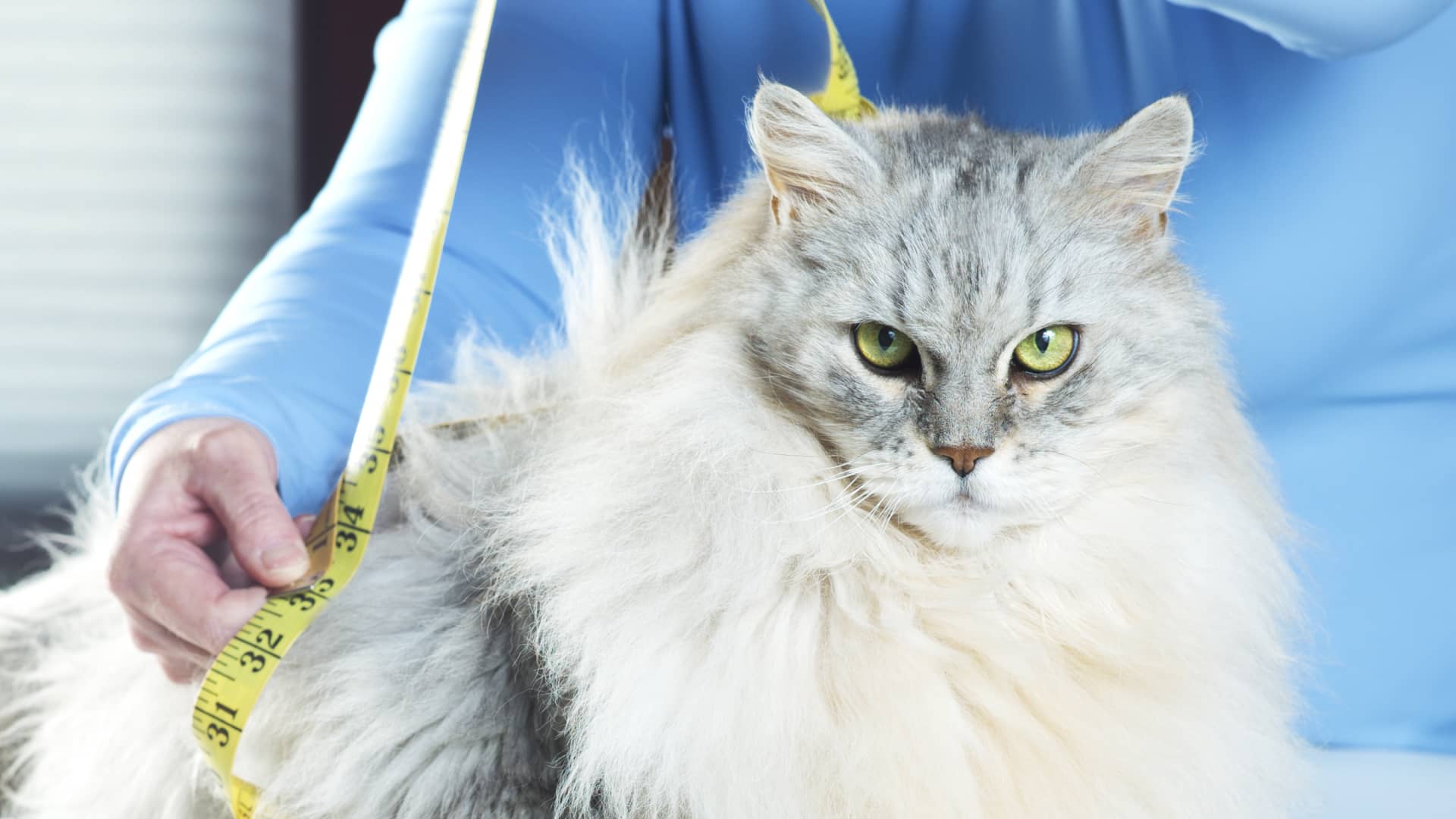
Two U.S. biotechnology companies are testing experimental GLP-1 weight-loss products for overweight cats, an early effort to extend a drug class associated with human obesity and diabetes treatment into companion-animal medicine. The work is unfolding inside a U.S. pet economy that Morgan Stanley estimates will rise from about $196 billion in 2025 to more than $240 billion by 2030.
Akston Biosciences is backing a Cornell University clinical study of a once-weekly GLP-1 therapy for overweight and obese cats. OKAVA Pharmaceuticals, based in San Francisco, has started testing a long-acting implant, inserted by a veterinarian, that is intended to release medicine continuously for as long as six months in a trial called MEOW-1.
Neither treatment has been approved for commercial use, and no feline equivalent of Ozempic is currently on the market. Both programs remain in early clinical testing and would need to show safety and efficacy before veterinarians could prescribe them.
GLP-1 products are designed to influence appetite regulation. In people, the class has become a central part of the market for obesity and diabetes drugs, led by Novo Nordisk and Eli Lilly. In pets, companies are testing whether medicines modeled on that approach can help address weight problems that veterinarians have long found difficult to treat.
A large clinical need in cats and dogs
The Association for Pet Obesity Prevention reported that 61% of cats and 59% of dogs assessed by U.S. veterinary professionals in 2022 were classified as overweight or obese. Cats can be especially challenging for owners because they are harder to exercise than dogs, may resist diet changes and can be difficult to medicate on a regular schedule.
Akston Chief Executive Todd Zion said in November, when the company announced its pet GLP-1 trial, that feline obesity is among the most common and least effectively treated health problems in veterinary medicine. The Cornell study sponsored by Akston will evaluate about 70 overweight or obese cats over roughly three months.
OKAVA said through a spokesperson to CNBC that pet obesity is one of the largest unmet medical needs in companion-animal health, while adding that it was too early to discuss possible sales expectations. Top-line results from the companies’ clinical trials are expected later this year, according to CNBC.
Pet spending shifts toward health care
The trials are arriving as pet spending moves beyond premium food toward medical products and services. Morgan Stanley analyst Simeon Gutman told CNBC that he views the trend as an expansion from premium products into medical care, rather than a move away from higher-end food.
Morgan Stanley estimates U.S. pet food will reach about $65 billion in 2026. Gutman said veterinary care, diagnostics and pharmacy services are accounting for a growing share of household pet spending, while consumers continue to buy products marketed around fresh ingredients, healthier formulas and therapeutic nutrition.
Gutman cautioned that investors should not assume pet GLP-1 products will match the scale, pricing or adoption of human obesity drugs. Veterinary treatment is often paid out of pocket, he said, which could limit uptake if drugs prove expensive. He said a broader obesity-care market, including prescription diets, structured weight-management programs and treatment of related conditions, may develop before a large standalone GLP-1 market for pets.
Food companies target longevity
Large pet-food companies are also repositioning products around health. Nestlé’s pet strategy includes what it calls “Personalized Health,” with offerings tied to digestion, aging and longevity. The company has cited faster growth in cat ownership than dog ownership in recent years, along with stronger growth in premium cat food than premium dog food.
Gutman told CNBC that cats offer an attractive growth opportunity as younger consumers choose pets that can cost less and require less maintenance than dogs, although dogs remain the larger spending category. Nestlé has said some newer nutrition products can extend cats’ healthy lifespan by more than a year.
Gutman said animal-health companies such as Zoetis, Elanco and IDEXX may benefit from demand for therapeutics and diagnostics, while Nestlé Purina, Colgate-Palmolive’s Hill’s and Freshpet are expanding health-oriented nutrition. Chewy has also moved further into pharmacy subscriptions and veterinary clinics.
For pet owners, the commercial test may be affordability. Amy, a Dallas cat owner interviewed by CNBC about her overweight cat Felix, said she would consider a weight-loss medicine for her pet if the price were well below the cost of human GLP-1 drugs.
This story draws on original reporting from CNBC.