Citi lifts Microsoft Copilot estimates as Cramer questions bullish call
Citi said customer checks point to stronger Copilot adoption, while Jim Cramer said the view runs counter to what he has heard about the AI assistant.
By Sarah Jenkins · Chief Macro Economics Correspondent
· 3 min read
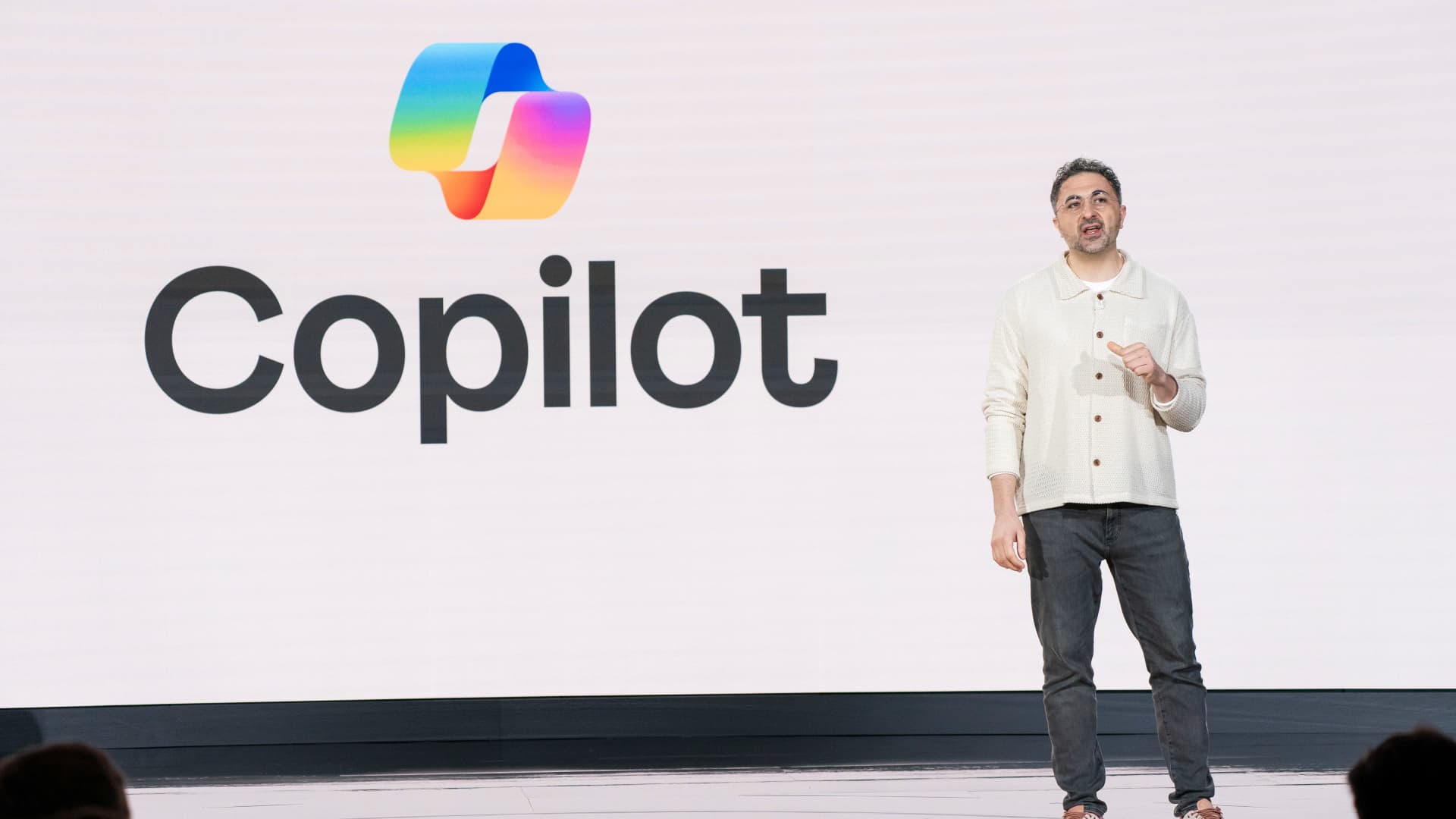
Citi raised its estimates for Microsoft’s Copilot artificial intelligence assistant on Wednesday, citing stronger customer adoption and better feedback, according to a client note reported by CNBC. Microsoft shares rose more than 3% in the session, extending their July gain to 6%, although the stock remains down 18% this year.
The bank’s analysts said they expect Microsoft to deliver a strong fiscal fourth quarter for 2026 and said momentum from Copilot and the Azure cloud business could carry into fiscal 2027. They wrote that this improving base should ultimately support faster overall revenue and earnings-per-share growth through fiscal 2030.
Citi said its industry checks showed a clearer pickup in Copilot adoption and improving customer responses as more advanced IQ features enter the Copilot suite. The analysts increased their Copilot forecasts and said they expect greater-than-usual upside on a payback-period basis, with Microsoft 365 Copilot net additions of 8 million compared with 5 million in the third quarter.
Microsoft is scheduled to report fiscal fourth-quarter results after the market closes on July 29.
Cramer challenges the Copilot optimism
Jim Cramer said on CNBC that Citi’s view was unusual given the negative feedback he has heard about Copilot. He said reading the note felt like reading “Alice in Wonderland” and added that Citi’s optimism contradicted what he had been hearing about the product’s performance.
Cramer also said he was encouraged by Citi’s comments on Azure, Microsoft’s cloud computing platform. Azure has been a core part of Microsoft’s artificial intelligence strategy, both as infrastructure for AI workloads and as a channel through which OpenAI-related demand has flowed.
Microsoft shares have recovered some ground in July, recording only three negative trading sessions so far in the month, according to CNBC. The rebound has not closed the gap with the broader market. The stock is down 18% year to date, while the S&P 500 has gained more than 10% over the same period. Microsoft is also about 27% below its record close of just above $542 in late October 2025.
Enterprise software remains under pressure
Citi kept a buy rating on Microsoft but lowered its price target to $570 from $620. The bank cited multiple compression across enterprise software, a sector that CNBC said has come under pressure this year because of concerns that AI may weaken demand for traditional software products.
Salesforce, another holding in Cramer’s Charitable Trust, has fallen 36% this year, according to CNBC, with similar concerns weighing on the stock. IBM also came under pressure after preannouncing trouble in its software business, falling 25% on Tuesday and a further 1% on Wednesday.
Bloomberg reported last week that Starbucks is looking to reduce the $400 million it pays Microsoft and IBM each year for software tools by replacing some of them with internally developed applications built with help from AI.
For Microsoft, sustained Copilot adoption would be one way to counter investor concern that AI may reduce the value of existing software franchises. Copilot is integrated into Microsoft 365 applications and is intended to add AI functions to workplace software, while Azure supplies cloud capacity for enterprise and AI workloads.
Other questions remain around Microsoft’s AI growth model. CNBC reported that the stock has faced pressure from concerns about the company’s reliance on OpenAI for Azure growth, as well as questions over whether capacity constraints have limited Azure’s expansion. Microsoft, Amazon and Alphabet are collectively committing about $575 billion this year to AI infrastructure, according to CNBC, after already investing hundreds of billions of dollars in AI capabilities.
This story draws on original reporting from CNBC.