Cramer warns new stock and bond supply could test bull market
CNBC’s Jim Cramer said heavy equity and debt issuance, rather than Iran tensions, may become the larger near-term risk for stocks.
By Marcus V. Thorne · Markets Editor
· 3 min read
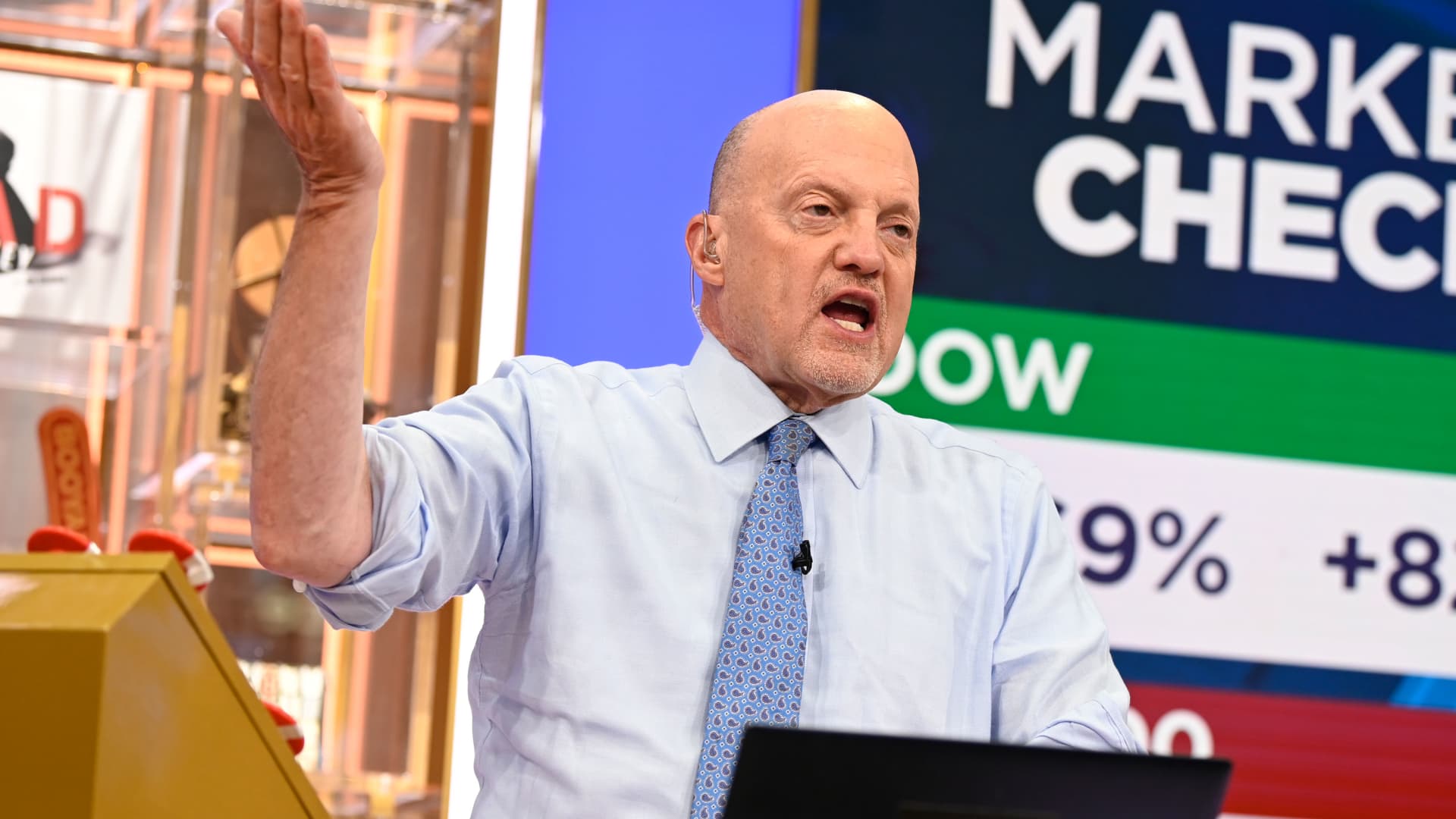
CNBC’s Jim Cramer said Wednesday that a surge in corporate equity and bond issuance has emerged as a risk to the bull market, even as investors focus on renewed U.S.-Iran tensions. He said the market has absorbed recent offerings so far, but warned that investor demand may be stretched if companies continue raising capital at the current pace.
Speaking on CNBC’s “Mad Money,” Cramer said he was more concerned about market supply than the geopolitical headlines dominating Wall Street. He described a wave of new shares and bonds as drawing on cash that had been available to support existing securities.
New stock issuance can weigh on markets because it increases the amount of equity investors are asked to buy. Bond sales work through a similar channel: companies borrow from investors, who must allocate cash to the new debt or sell other holdings to make room. Cramer’s concern is that the scale of recent issuance could begin to exceed the market’s capacity to absorb it without broader price pressure.
Cramer cited several large transactions over the past month, including Alphabet’s stock sale, SpaceX’s $85 billion initial public offering and $25 billion bond sale, and large debt offerings from companies including Amazon. He said those deals had not yet derailed the market, but added that the accumulation of supply was becoming harder to ignore.
Two transactions appeared to sharpen his concern. Cramer pointed to Rivian’s discounted stock offering as a sign that buyers may be less willing to fund new equity at elevated valuations. A discounted sale typically prices new shares below the prevailing market level to attract demand, which can signal that investors require better terms before committing more capital.
He also highlighted South Korea-based SK Hynix’s planned $28 billion Nasdaq listing. Cramer questioned whether large institutions would need to sell current positions to participate in the offering, a process that could create selling pressure beyond the new issue itself.
Cramer said the market had not yet crossed into a more dangerous phase. He pointed to Wednesday’s rebound in semiconductor shares, led by Nvidia, as evidence that buyers still had cash available. Nvidia had lost nearly $1 trillion in market value from its peak, according to Cramer. Its shares rose after The Information reported that China would permit a small number of artificial intelligence companies to buy limited quantities of H200 chips.
The balance, in Cramer’s view, remains fragile. He said buyers still had capacity, but that continued initial public offerings and secondary sales could change the market’s tone if they persist for several more weeks.
Cramer said fewer IPOs and more merger-and-acquisition activity could help relieve the pressure. His warning centered on market plumbing rather than company fundamentals: a bull market can face strain when the supply of securities seeking capital rises faster than the pool of willing buyers.
This story draws on original reporting from CNBC.