Employers hold line on weight-loss GLP-1 coverage as claims costs rise
An IFEBP survey found 36% of U.S. employer plans cover GLP-1s for obesity and diabetes, unchanged from 2025, as claims linked to the drugs rise.
By Sarah Jenkins · Chief Macro Economics Correspondent
· 3 min read
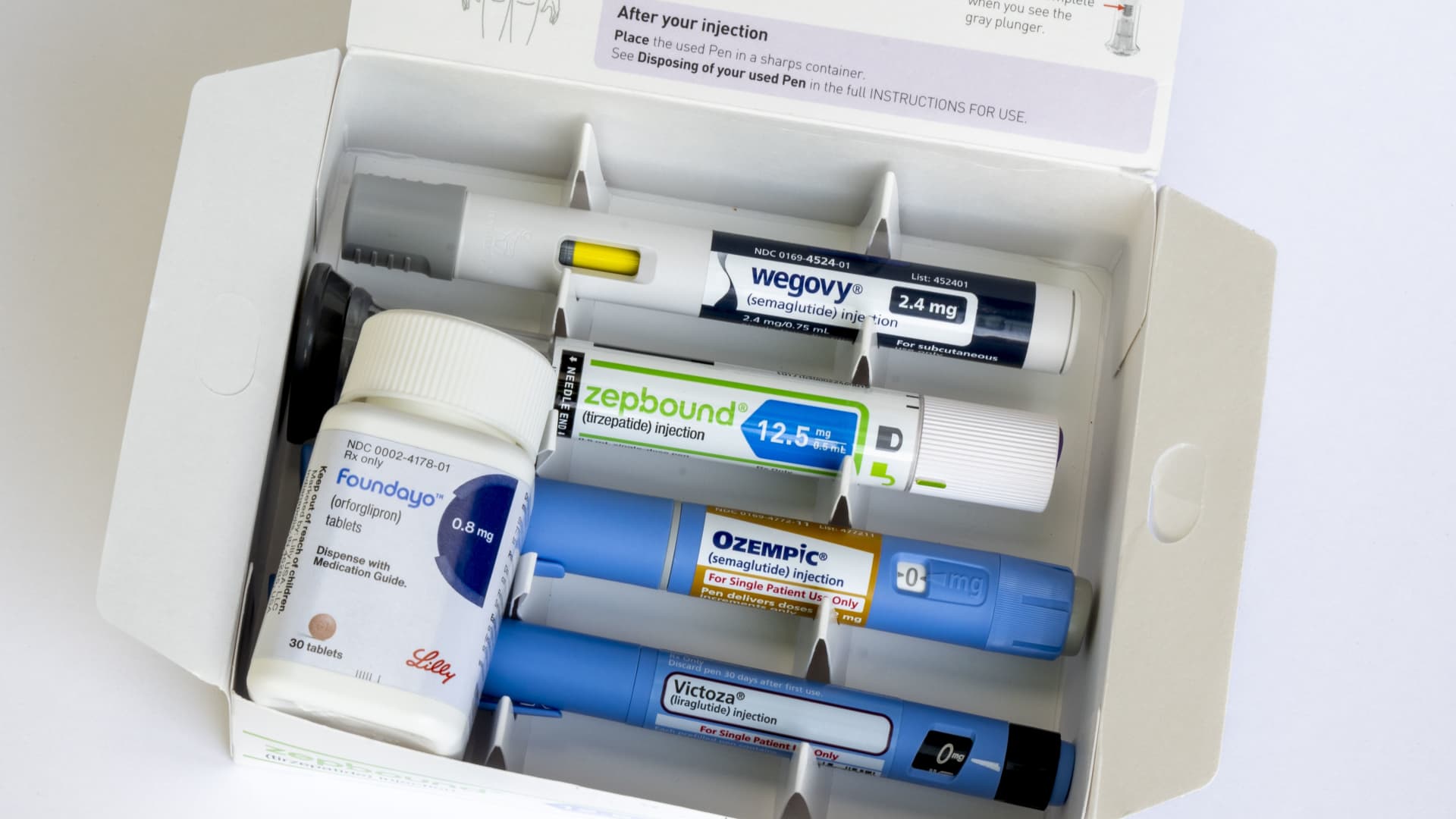
U.S. employers are largely declining to broaden health-plan coverage of GLP-1 drugs for weight loss, even as new products reach the market and Medicare begins covering obesity use through a new program. A June survey by the International Foundation of Employee Benefit Plans found that 36% of nearly 300 employer health plans cover the medicines for both diabetes and weight loss, unchanged from 2025 and up only slightly from 34% in 2024.
The survey, released Tuesday by the nonprofit benefits group, points to a cost-management stance among employers at a time when demand for GLP-1 therapies from Eli Lilly and Novo Nordisk remains elevated in the U.S. Justin Held, the foundation’s director of educational programs, said in an interview that health plans are trying to limit spending while supporting workers’ broader health needs.
“It’s a battle to try to keep costs down,” Held said. “It seems like they’re not necessarily offering coverage for weight loss, but they’re instead focusing on how to support the overall health of their workers.”
GLP-1 medicines are used to treat diabetes and, in some formulations or indications, obesity and other conditions. Employer plans can decide whether to reimburse the same class of drugs for one diagnosis but not another, which means a worker may receive coverage for diabetes while facing no plan coverage for weight-loss use.
The IFEBP survey found 60% of employers cover GLP-1 drugs for diabetes only, compared with 55% in 2025 and 57% in 2024. About 45% of plans said they cover the medicines for other approved conditions, including obstructive sleep apnea and heart disease.
Cost remains the central factor, according to Held. Employers responding to the survey said GLP-1 drugs accounted for 11.4% of annual claims in 2026, up from 6.9% in 2023. Plans have used restrictions or have ended coverage in some cases as they try to contain the expense of the treatments.
Employers are also directing workers toward alternatives outside full plan reimbursement. The survey found 27% of employers encourage employees to obtain GLP-1 drugs through direct-to-consumer platforms, while 21% direct workers to use flexible spending accounts, health savings accounts or integrated health reimbursement arrangement dollars. Those arrangements allow workers to apply designated health-care funds toward eligible expenses, rather than having the employer plan cover the drug directly.
Held said rising costs give employers an opening to communicate other benefits already available to workers. According to the survey, 74% of plans offer disease and chronic-care management, 61% provide nutritional counseling and 61% cover bariatric surgery. Employers also reported coverage for lifestyle-modification programs, non-GLP-1 drugs and medication-free weight-loss interventions.
The case for broader employer coverage may depend on evidence that GLP-1 reimbursement lowers costs elsewhere, Held said. Potential areas include fewer knee replacements, fewer bariatric surgeries, higher productivity or improved wellness outcomes. “If those things are happening, then they might say it’s worth it to offer full coverage for weight loss as well, because the impact on the other areas of our organization is so positive,” he said. “But we just haven’t seen that yet.”
Some studies and estimates suggest savings from GLP-1 use could offset costs across the health-care system, but the survey account said broad real-world proof has not yet emerged. A newly launched 18-month Medicare program covering GLP-1 drugs for obesity for the first time may provide an early measure of such savings. For now, the IFEBP survey found about 9% of employers are considering adopting obesity coverage for the drugs.
This story draws on original reporting from CNBC.


