Firms tighten employee rules as prediction markets raise insider risks
Goldman Sachs and other companies are reviewing staff trading policies after regulators brought an event-contract insider trading case.
By Sarah Jenkins · Chief Macro Economics Correspondent
· 3 min read
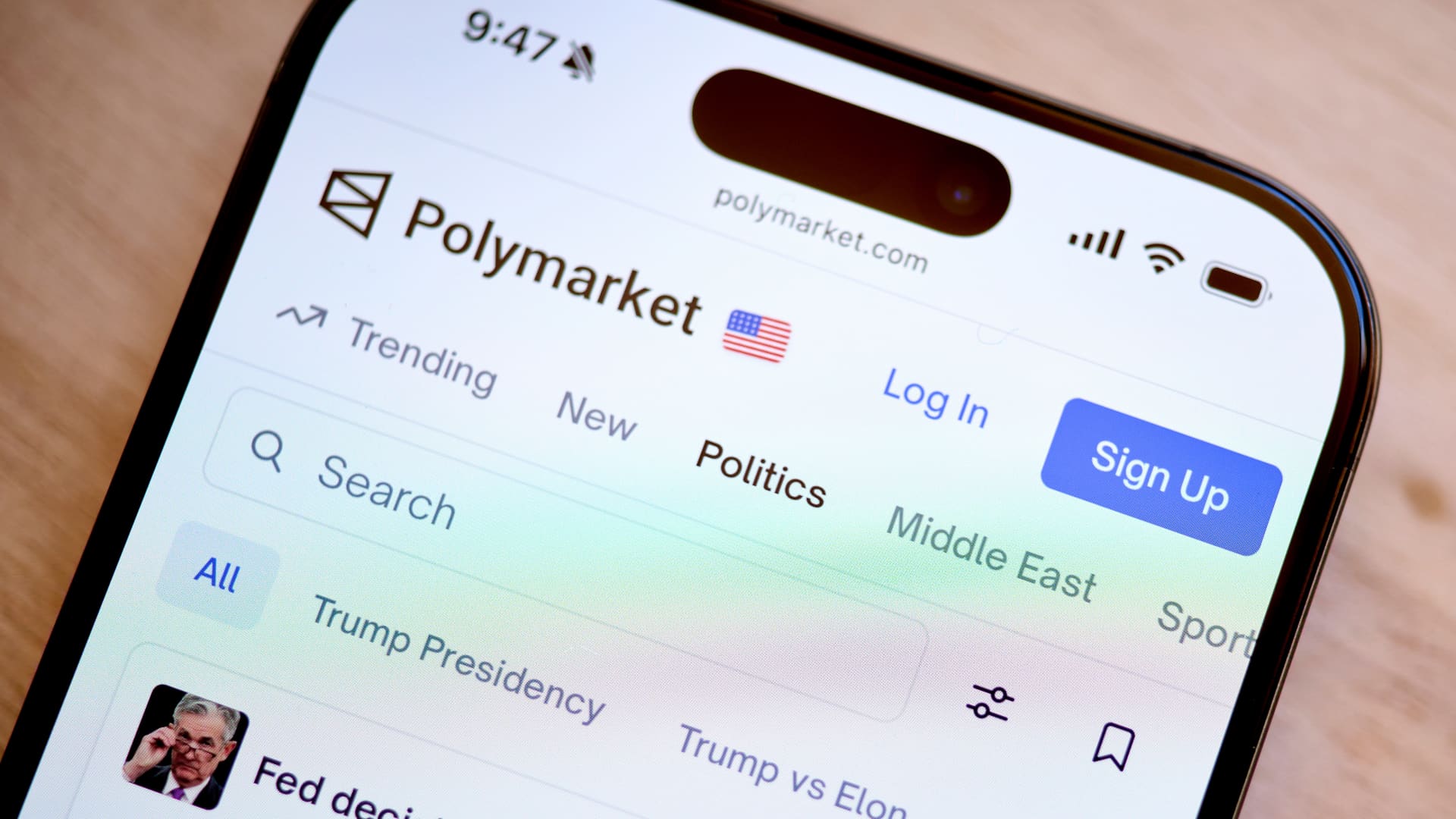
Goldman Sachs has restricted employees from trading a range of prediction-market contracts tied to the bank and other sensitive areas, as companies confront a new compliance risk around event-based trading, CNBC reported. In a survey of 50 public and private companies that have contracts linked to their businesses on prediction platforms, CNBC said only three disclosed policies covering the activity, while two others said they were reviewing the issue.
Prediction markets allow users to buy and sell contracts whose payouts depend on the outcome of specified events, such as an election result, a company milestone or an economic release. Legal specialists told CNBC that the rapid expansion of these markets gives employees with confidential information more ways to profit from facts they learn at work, even when the trade does not involve a company’s shares or bonds.
Goldman Sachs has barred employees from trading contracts related to Goldman-specific events, elections, financial markets, macroeconomic data and geopolitics, according to people familiar with the matter cited by CNBC. A Goldman representative declined to comment on the policy, but told CNBC the bank prohibits trading on material, nonpublic information in all markets.
Regulators test a new enforcement field
The policy attention follows charges announced in May by the Commodity Futures Trading Commission and the Department of Justice against Google employee Michele Spagnuolo. The agencies accused Spagnuolo of using material, nonpublic information to trade Polymarket contracts tied to Google’s “Year in Search” lists. The CFTC complaint alleged that Spagnuolo, using the handle “AlphaRaccoon,” made about $1.2 million in profit.
Karen Woody, a law professor at Washington and Lee University, told CNBC that the breadth of possible questions on prediction platforms makes it difficult to police the use of confidential information. A Google employee, for example, might possess internal information relevant to contracts about staffing levels, product releases or Alphabet’s share price, legal experts told CNBC.
David Oliwenstein, a partner and securities enforcement practice lead at Pillsbury, said clients, particularly regulated entities, are asking about regulator expectations, risk areas and potential liability. Woody said the CFTC has a “blank canvas” in deciding how to pursue insider-trading cases in the sector because the field remains relatively new. The CFTC did not respond to CNBC’s request for comment on whether companies could face liability if employee education is found inadequate.
Company responses vary
Among companies contacted by CNBC, United Airlines said it does not have a prediction-market-specific rule, but said its employee guidelines prohibit using a job position or company confidential information for personal benefit. JPMorgan Chase confirmed to CNBC a Barron’s report that staff are encouraged to use caution when trading on prediction markets, especially contracts tied to financial services.
Morgan Stanley told CNBC that its employee code of conduct includes policies on prediction-market trading, without giving further detail. A person familiar with Bank of America’s plans said the bank was preparing policy updates to describe barred employee activity and provide examples for prediction-market trading. CNBC reported that 36 companies did not respond to its inquiries and seven declined to comment.
Some companies and lawyers told CNBC that broad insider-trading prohibitions already cover prediction markets. A person familiar with OpenAI’s policies said its blanket rule bars employees from using material, nonpublic information in any way.
Tiffany Magri, a regulatory adviser at Smarsh, told CNBC that employers benefit from naming prediction markets directly in internal policies. Kalshi has announced employment verification tools for some markets, a partnership with StarCompliance for employer access to employee event-contract trades, and a February surveillance partnership with Solidus Labs. Polymarket pointed CNBC to market-integrity arrangements with Chainalysis and Palantir.
Kalshi and Polymarket declined to tell CNBC whether they are working directly with companies on internal oversight. CNBC disclosed that it has a commercial relationship with Kalshi that includes customer acquisition and a minority investment.
This story draws on original reporting from CNBC.