Small-cap options trade signals demand for volatility beyond megacap tech
A nearly $20mn IWM options position would profit from a sharp move either way as the Russell 2000 outpaces the Nasdaq-100 this year.
By Sarah Jenkins · Chief Macro Economics Correspondent
· 3 min read
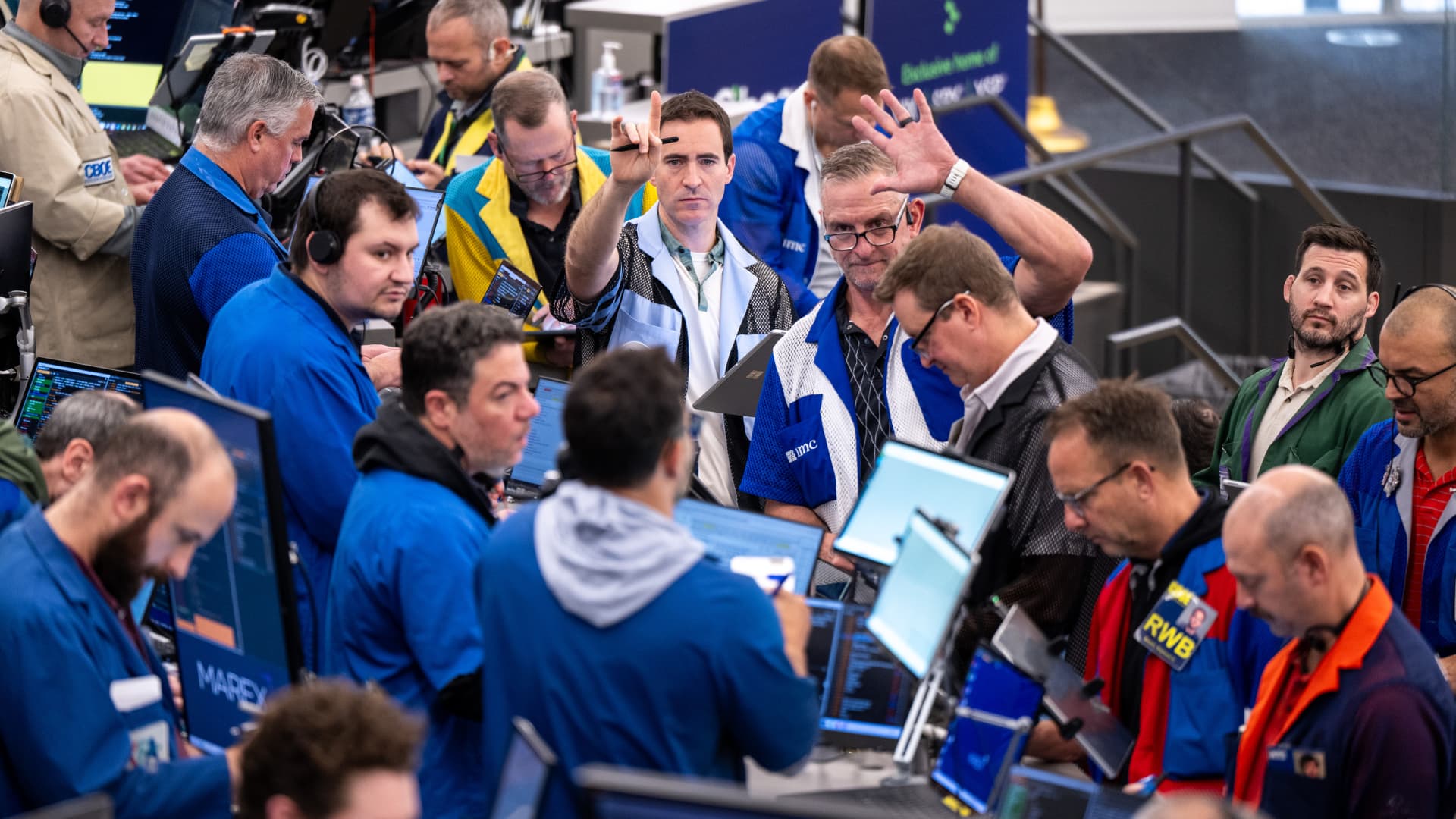
A large options trade tied to the iShares Russell 2000 ETF pointed to rising demand for exposure to a sharper move in US small-cap stocks, CNBC reported Thursday. The position cost nearly $20mn and would benefit if the ETF moves substantially higher or lower by mid-December, at a time when the Russell 2000 has gained 20% this year, compared with an 18% rise for the Nasdaq-100, according to CNBC.
The trade stood out in a market where the S&P 500 has spent much of the summer in a range, with investors buying declines and selling advances, CNBC reported. The Cboe Volatility Index, or VIX, was near recent lows, while CNBC said speculative call-buying in technology shares had cooled after helping push the broader market in both directions earlier in the season.
The options position was placed in IWM, the exchange traded fund tracking the Russell 2000. According to CNBC, the trader bought 15,000 put options with a $270 strike expiring in mid-December for about $11mn, and also bought 15,000 call options with a $335 strike and the same expiry for about $7mn.
The combined position is known as a strangle. In that structure, an investor buys an out-of-the-money call and an out-of-the-money put with the same expiration date. The buyer pays upfront premiums and can profit if the underlying security rises enough to lift the call above the total cost of the trade, or falls enough to make the put valuable after accounting for the premiums paid.
CNBC reported that the IWM strangle would make money if the small-cap ETF rises 14% or falls 11% by Dec. 18. The position carries a modest downside tilt because more premium was spent on the puts than on the calls.
Small caps gain attention as tech pauses
The trade comes as investors assess whether leadership in US equities can broaden beyond the largest technology companies. CNBC reported that the Nasdaq-100 has been moving sideways while the Russell 2000 has continued to advance.
Eric Kuby, chief investment officer at North Star Investment Management, told CNBC that investors may be looking beyond megacap technology stocks. “It could be the bloom is off the rose and there’s finally exhaustion in mega-cap tech stocks,” Kuby said, according to CNBC. He added that he had seen forecasts calling for earnings growth above 20% for small-cap companies.
The Russell 2000 rose 21% in the second quarter, its eighth-largest quarterly gain on record and its strongest quarter since 2020, according to an analysis by Strategas Research Partners cited by CNBC.
Small-cap shares have also advanced despite higher Treasury yields, which are often viewed as a headwind for smaller companies because of their financing needs and sensitivity to domestic economic conditions. CNBC reported that regional banks in the SPDR S&P Regional Banking ETF, known by its ticker KRE, were up 15% year to date, compared with a 1% gain for the S&P 500 financials sector.
As of the CNBC report, the Russell 2000 was up 1.42% on the day at 2,998.223, while IWM was up 1.40% and KRE rose 2.07%.
This story draws on original reporting from CNBC.