Kalshi traders price higher U.S. gasoline risk into Election Day
Prediction-market odds moved higher as U.S.-Iran hostilities renewed and Strait of Hormuz traffic remained uncertain.
By Sarah Jenkins · Chief Macro Economics Correspondent
· 3 min read
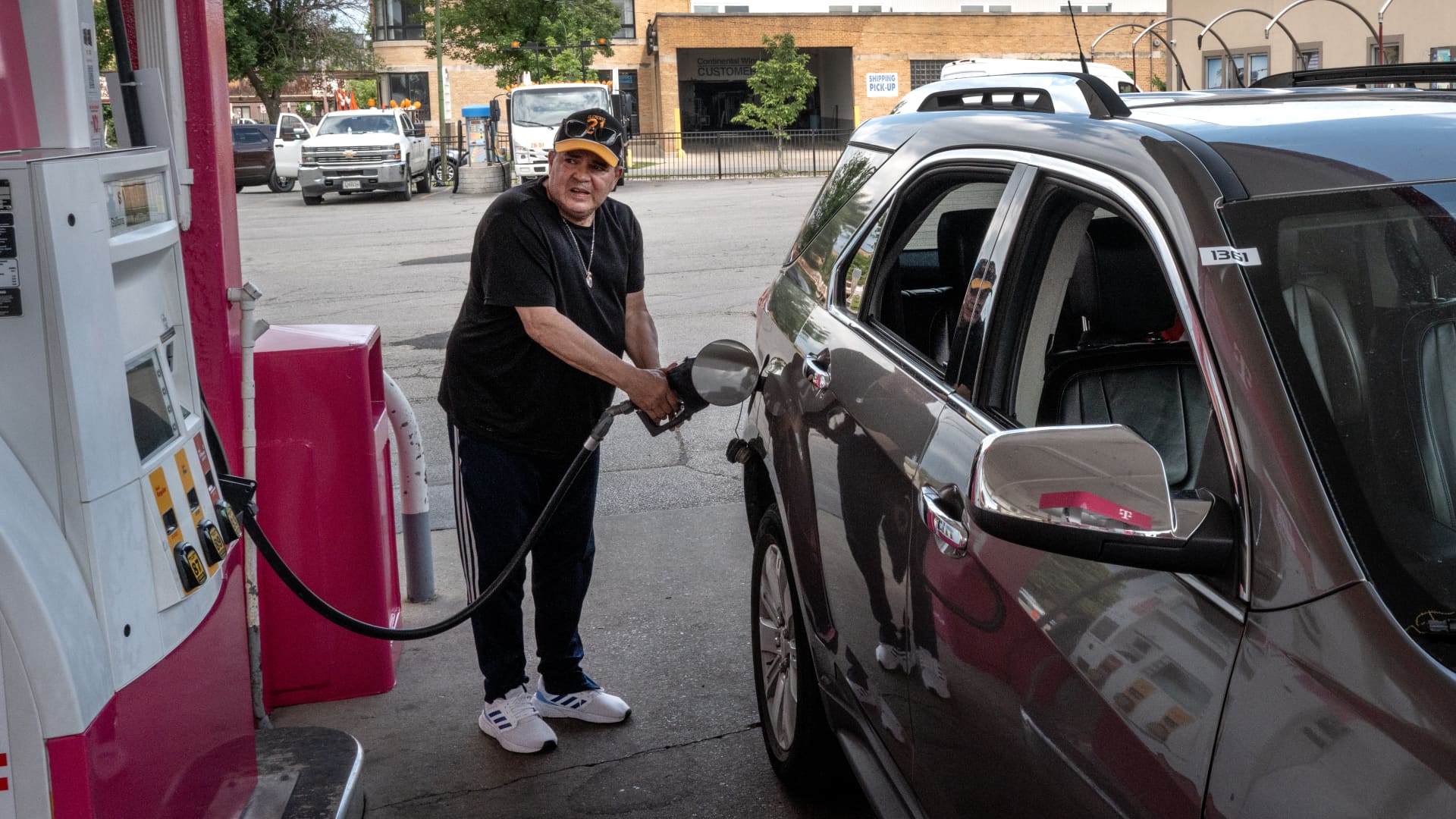
Kalshi traders have lifted the implied probability that U.S. gasoline prices will stay above key thresholds through Nov. 3 as renewed U.S.-Iran strikes keep energy-supply risk in focus. The platform’s contracts now put a 75% chance on the national average exceeding $3.50 a gallon on Election Day and a 39% chance of prices topping $3.75.
Those market-implied odds have risen sharply since the latest deterioration in the Middle East. Before the recent escalation, Kalshi traders assigned probabilities as low as 37% to gasoline above $3.50 and 22% to a level above $3.75, according to the platform’s pricing cited by CNBC.
The contracts are tied to AAA’s national average gasoline price, which determines the final settlement outcome. In prediction markets, traders buy and sell contracts linked to specific events or price levels; the traded price can be read as an implied probability, although it reflects positioning on that venue rather than a broad market forecast.
AAA put the U.S. national average at $3.84 a gallon on Thursday, up 5 cents from the previous day. Before the war with Iran began, AAA data showed the national average below $3 a gallon.
Oil volatility feeds into pump-price expectations
The shift in Kalshi pricing follows renewed uncertainty over the Strait of Hormuz, a critical waterway for global oil shipments. CNBC reported that the U.S. and Iran have again exchanged strikes, while the timing of a return to normal shipping flows through the strait remains unclear.
U.S. crude prices also moved through a wide range during the week. West Texas Intermediate rose as high as $75 a barrel on Wednesday after trading near $68 on Monday, according to CNBC. By Thursday afternoon, WTI had eased below $72 a barrel, with the cited quote showing $71.61, down 2.6% on the session.
Gasoline prices do not track crude oil tick for tick. Retail fuel prices reflect crude costs, refining margins, distribution expenses, taxes and station-level pricing. Even so, crude oil is a central input, and disruptions or perceived risks to supply can feed into wholesale fuel costs before showing up at the pump.
Traders see sustained elevation, not a certain new peak
Kalshi pricing indicates traders expect gasoline to remain higher than it was before the conflict escalated, while showing less conviction that prices will set a fresh 2026 high. The platform’s contracts assign a 43% chance that the national average crosses $4.60 this year, up from roughly one in three before the U.S. and Iran resumed hostilities.
The highest national average recorded so far in 2026 was $4.56 a gallon on May 21, according to AAA figures cited by CNBC. That level remains above Thursday’s $3.84 average, leaving a substantial gap between current pump prices and the year’s peak.
CNBC disclosed that it has a commercial relationship with Kalshi, including customer acquisition arrangements and a minority investment.
This story draws on original reporting from CNBC.


