First Solar upgrade puts solar tariffs back in focus
Deutsche Bank upgraded First Solar after a share-price decline, as investors await a Commerce Department decision on solar trade measures.
By Marcus V. Thorne · Markets Editor
· 3 min read
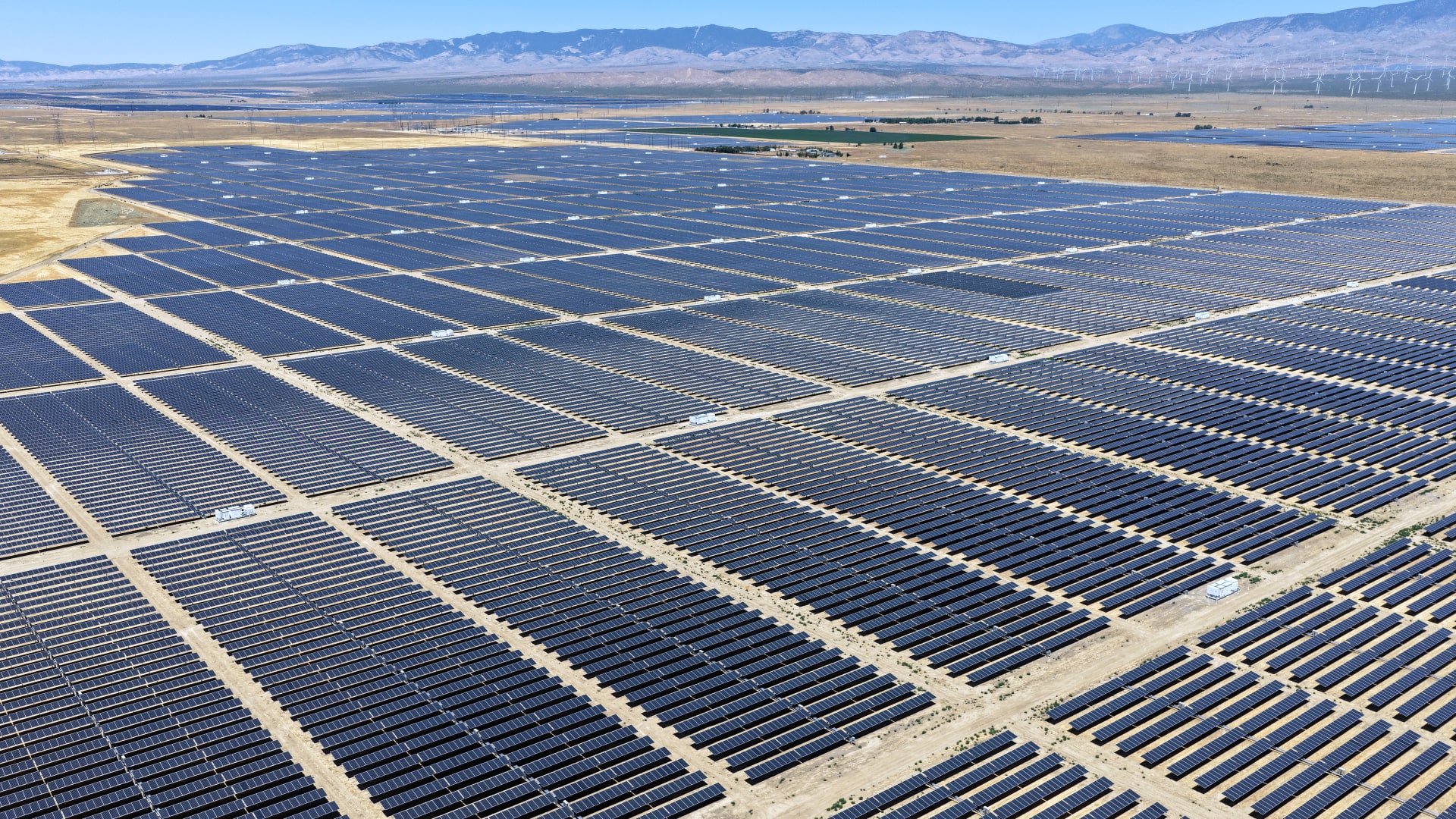
First Solar has become a focal point for renewable-energy investors after its shares fell 18% over the past month and 12% this year, according to CNBC, while the market waits for a U.S. trade-policy ruling that could affect solar supply chains. Deutsche Bank analyst Corinne Blanchard upgraded the stock on Tuesday, saying the current valuation offers an attractive entry point, CNBC reported.
The call comes as clean-power companies face a mix of strong electricity-demand fundamentals and policy uncertainty. Jason Grumet, chief executive of the American Clean Power Association, told CNBC that clean-power resources account for about 90% of new electrical capacity being added to the U.S. grid, led by solar and storage.
Trade decision hangs over solar shares
The key policy issue for First Solar is Section 232, a U.S. trade tool that allows the president to impose tariffs or quotas when imports are found to affect national security. In the solar market, investors are focused on whether the government will apply additional measures to parts of the panel supply chain, including polysilicon, CNBC reported.
The Commerce Department is expected to make the relevant decision next month, according to CNBC. The outcome remains uncertain. First Solar has indicated that it expects more tariffs but does not want new quotas, CNBC reported, citing the company’s latest earnings presentation. FactSet and Securities and Exchange Commission data also show some insider selling, according to CNBC.
Tariffs can raise the cost of imported inputs or competing products, depending on where they are applied. Quotas can restrict the volume of imports available to buyers. For a domestic solar manufacturer, the effect depends on the exact scope of the rule, the treatment of upstream materials and the ability of customers to absorb higher costs.
Power demand supports broader clean-energy debate
Grumet told CNBC that renewable resources are available now and are likely to remain the largest share of new electric power additions for the foreseeable future, while also saying the system will need multiple forms of generation. He said five commercial offshore wind projects are under construction in the U.S. and three are already supplying electricity to the grid.
Permitting remains a constraint for new power projects. Grumet told CNBC that the current approval system cannot deliver the amount of power the country needs, and that legislation would need to treat energy sources equally while giving developers confidence that permits will not later be reversed for political reasons.
Nuclear and oil remain part of the energy mix
The clean-power discussion is unfolding alongside renewed investor attention on nuclear generation. Bernstein, now part of Societe Generale, reviewed 79 small modular reactor projects and argued that the nearer-term opportunity is more tied to existing nuclear assets and restart projects than to new small modular reactors, CNBC reported. Bernstein identified Constellation Energy and Vistra as early beneficiaries and also cited Cameco, noting its uranium exposure and 49% ownership of nuclear developer Westinghouse.
Oil markets have also remained comparatively contained despite renewed tensions involving Iran. CNBC reported that West Texas Intermediate crude briefly moved back above $75 a barrel, while CME Group futures prices later in the year were still just above $70. The futures curve suggests traders were not pricing a sustained disruption at the time of the report.
The result is an energy market shaped by several forces at once: solar and storage dominate new grid additions, nuclear incumbents are drawing fresh attention, and oil prices remain tied to geopolitical risk as well as global supply. For First Solar, the next catalyst identified by CNBC and Deutsche Bank is a policy decision rather than an earnings release alone.
This story draws on original reporting from CNBC.