Hormuz shipping threat raised to severe after tanker attacks
A U.S.-led maritime center warned that hostile action by Iran is likely as traffic through the energy chokepoint remains well below prewar levels.
By Amanda Ross · Deals Correspondent
· 3 min read
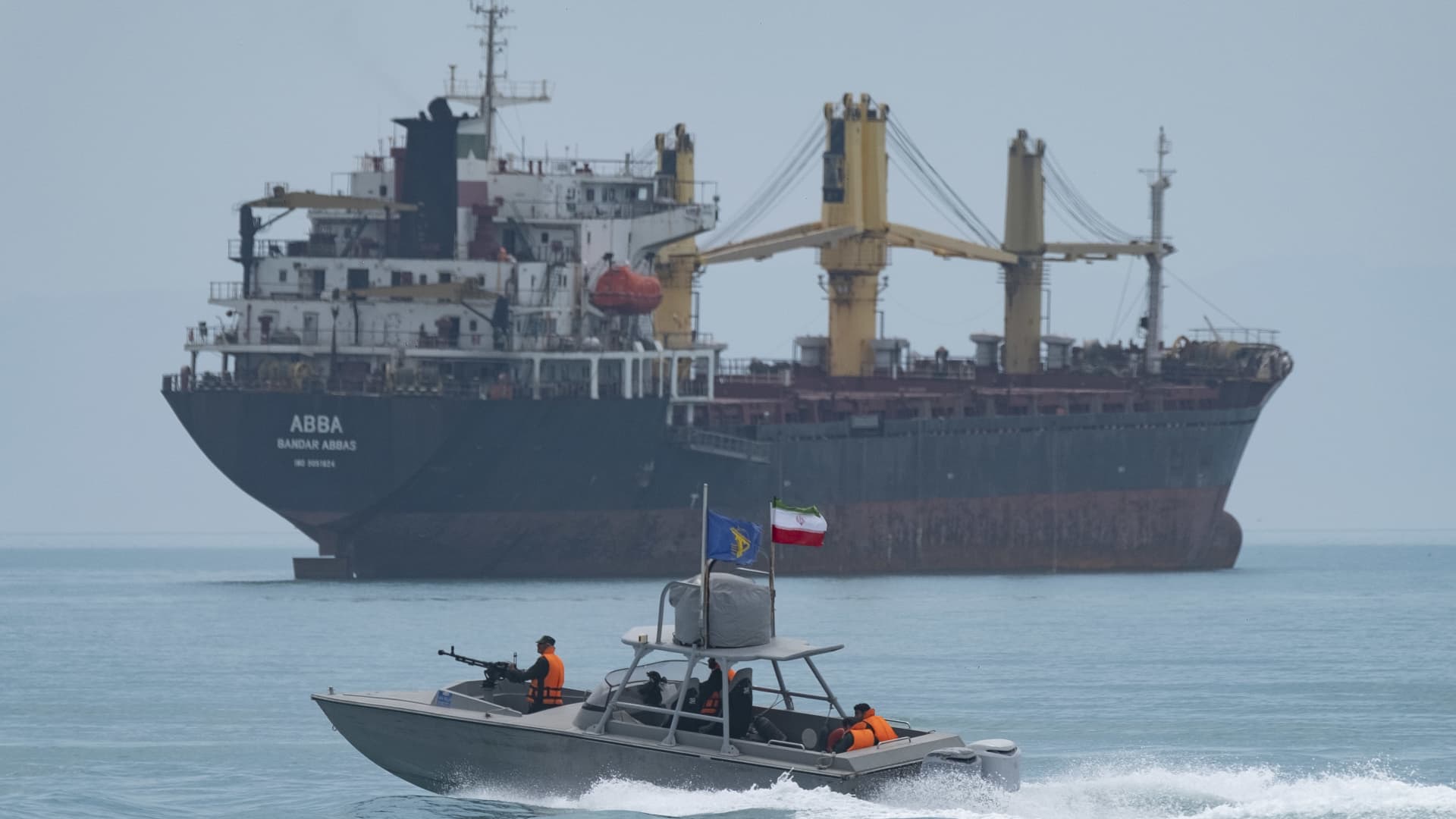
The Joint Maritime Information Center raised its threat assessment for vessels crossing the Strait of Hormuz to “severe” on Tuesday after what it described as renewed Iranian attacks on tankers. The warning adds pressure to a key oil and liquefied natural gas route where traffic has recovered since a U.S.-Iran interim deal, but remains far below prewar volumes.
The Bahrain-based center, which links allied naval forces with commercial shipping in the Middle East, told mariners that “deliberate hostile action” by Iran is “likely under current conditions.” The alert followed several reported incidents involving tankers in or near the strait this week.
Hormuz is the narrow waterway between Iran and Oman through which Gulf energy exports reach global markets. Under an interim agreement signed by the U.S. and Iran on June 17, Tehran accepted safe passage for commercial shipping through the strait, according to the reported terms of the deal.
Since then, however, Iran has carried out attacks on vessels using a southern corridor near Oman’s coast that is protected by the U.S. Navy, according to the Joint Maritime Information Center and maritime analysts cited in the alert.
Competing routes through the strait
Michelle Wiese Bockmann, a London-based senior maritime intelligence analyst at Windward, said the strait has split into separate corridors associated with U.S. and Iranian control. Gulf states are using the southern route close to Oman, while Iran’s military has warned that it will target ships that do not use a northern corridor approved by Tehran, she said.
Vessels have also avoided the traditional central route through Hormuz, which Iran has mined, according to Bockmann. She said Iran’s campaign appeared intended to disrupt the southern corridor and pressure Gulf producers that are not moving exports through the northern route.
Qatar on Tuesday blamed Iran for an attack on the Al-Rekayyat, a Qatari liquefied natural gas tanker near Hormuz, and urged Tehran to stop endangering global energy supplies. The United Kingdom Maritime Trade Operations Centre, a maritime security advisory service, said it had received three separate reports this week of tankers being attacked in or near the strait.
U.S. Energy Secretary Chris Wright said last month that the U.S. Navy corridor had ended Iran’s ability to close Hormuz. Iran later attacked a cargo ship using that route, according to the report, and the U.S. responded with a new round of airstrikes against Iranian targets.
Traffic remains constrained
Commercial flows have increased since the interim agreement, but the strait has not returned to normal operating levels. Trade intelligence firm Kpler verified that more than 100 ships passed through Hormuz over the weekend.
Windward data showed oil exports through the strait averaged about 4.3 million barrels per day in June. Before the war, more than 100 ships transited Hormuz each day and crude exports exceeded 15 million barrels per day.
“The strait remains far from fully functioning,” Bockmann said. The reduced traffic underlines the continuing risk for energy exporters, shipowners and insurers using one of the world’s most closely watched maritime chokepoints.
This story draws on original reporting from CNBC.