Hormuz tanker crossings fall as U.S.-Iran fighting resumes
Kpler said 13 tankers crossed the strait Wednesday, down from a recent daily average of 33, as oil prices rose more than 6% this week.
By Marcus V. Thorne · Markets Editor
· 3 min read
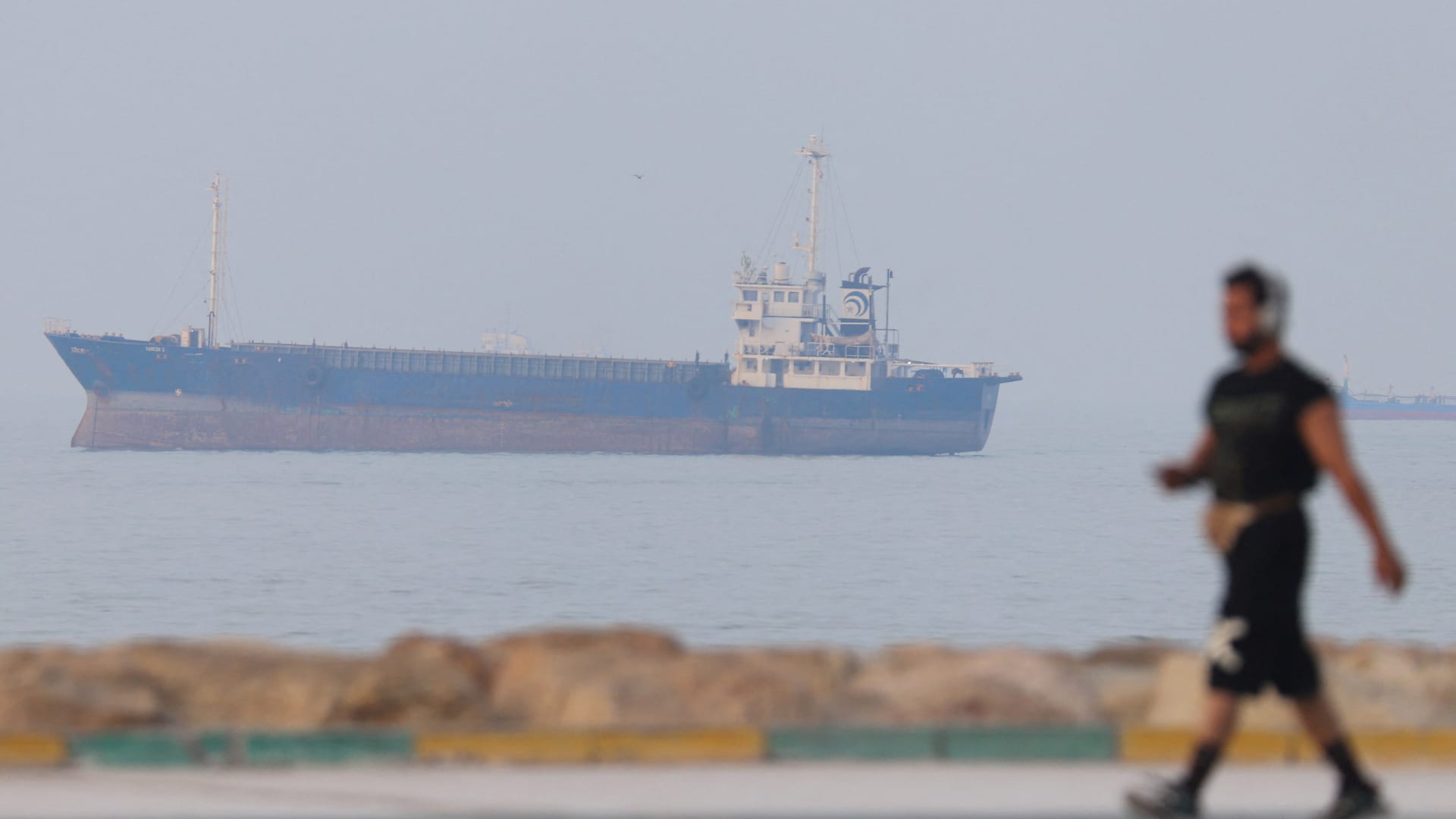
Tanker movements through the Strait of Hormuz slowed sharply Wednesday after Iranian attacks on commercial vessels triggered renewed U.S.-Iran fighting and fresh concern over Gulf crude flows. Kpler, the trade intelligence firm, said 13 tankers crossed the waterway that day, compared with an average of 33 a day over the prior week.
Oil prices have gained more than 6% this week as investors assess the risk that exports through one of the world’s most important energy transit routes could again be disrupted. The strait links the Persian Gulf with global shipping lanes and is a critical passage for crude and refined products from Gulf producers.
Shipping patterns shift
Matt Smith, Kpler’s director of commodity research, said vessels that did cross Hormuz either used a route controlled by Iran or turned off their transponders, limiting public tracking. Transponders broadcast a ship’s location and identity through automatic identification systems, giving traders, insurers and governments a near real-time view of maritime traffic.
Tehran has demanded that vessels use a northern corridor under its control to receive safe passage, according to maritime analysts cited in the report. Ships using a southern lane along Oman’s coast, which is protected by the U.S. Navy, have been targeted by Iran.
Michelle Wiese Bockmann, a senior maritime intelligence analyst at Windward, said Iran’s actions form part of a selective campaign against the southern corridor and are intended to pressure Gulf producers that are not routing oil through the Iranian-controlled lane.
Ceasefire breaks down
President Donald Trump said Wednesday that he believed the ceasefire with Iran had ended after Tehran attacked three tankers moving through Hormuz earlier in the week. The U.S. has carried out two rounds of airstrikes against Iran and restored oil sanctions in response to the tanker attacks.
Windward told clients in a Wednesday note that the breakdown of the ceasefire framework, renewed sanctions on Iranian oil and the scale of U.S. military action inside Iran marked the sharpest escalation since the conflict’s initial phase.
Oil shipments through Hormuz had recovered after Washington and Tehran signed a memorandum of understanding on June 17 to reopen the strait. Under that interim arrangement, Iran agreed to allow safe passage and not impose a toll for 60 days.
Market pricing remains short of full closure
Andy Lipow, president of Lipow Oil Associates, said in a Thursday client note that oil prices were not reflecting expectations of a full closure of Hormuz. He said the market appeared to be discounting a pattern in which intermittent fighting is followed by periods of enough calm for tankers to move.
The latest disruption follows a longer shutdown earlier in the year. Iran largely closed Hormuz to commercial shipping after U.S. and Israeli airstrikes on Feb. 28 killed Iran’s head of state, Ayatollah Ali Khamenei. That closure lasted for months and caused what was described as the largest supply disruption on record.
This story draws on original reporting from CNBC.