House AI regulation recess delays action as lawmakers press for safeguards
The House has left for the campaign period without passing AI legislation, while sponsors press for the FRONTIER Act to advance.
By Sarah Jenkins · Chief Macro Economics Correspondent
· 3 min read
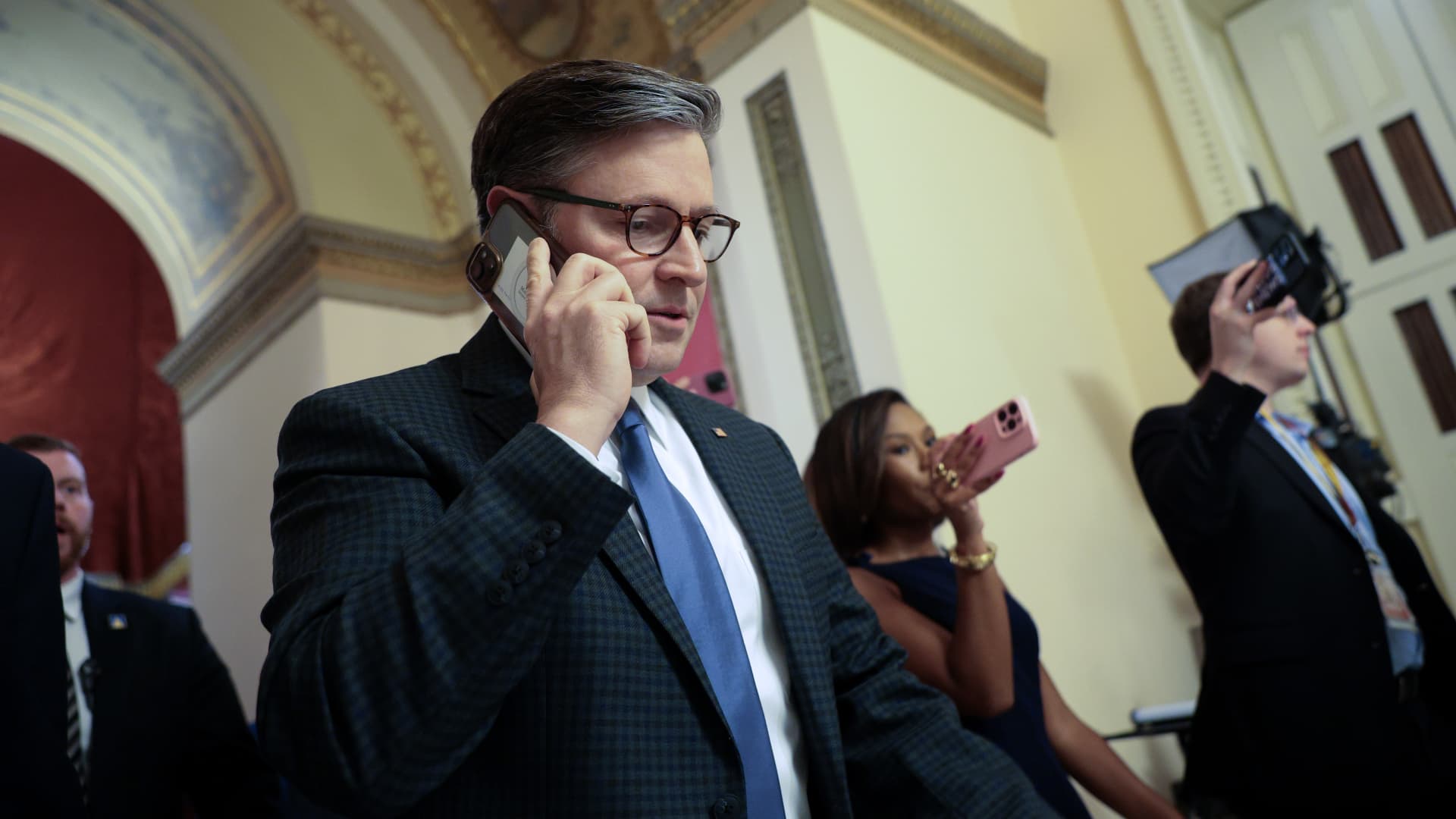
The House AI regulation recess has left the chamber unable to act on artificial-intelligence legislation until members return after the midterm election. The House adjourned on Wednesday after Speaker Mike Johnson cancelled planned Thursday business, and CNN reported that it is scheduled to reconvene on Nov. 9.
The break comes as Democrats, joined by some Republicans, call for Congress to set safeguards for advanced AI systems. The immediate consequence is procedural: no House AI bill can clear both chambers and reach the president during the recess without further action by the House. CNBC reported that the Senate was expected to remain in session for another two weeks.
Johnson said members should return to their districts to make their case to voters, according to CNBC. He had also warned earlier in the week that moving too quickly on AI rules could undermine US competitiveness with China.
Why did lawmakers ask the House to stay for AI legislation?
Reps. Sam Liccardo, George Whitesides, Lori Trahan and Ted Lieu asked Johnson to bring the House back and keep it in session until lawmakers advance bipartisan AI safeguards, CNN reported. Their letter cited concerns about possible cyberattacks, biological or chemical weapons development and loss of control of advanced systems. Those are the lawmakers’ stated risk arguments, rather than outcomes established in the reporting.
Liccardo led 107 Democrats in a separate letter requesting that the House remain in Washington to address AI, CNBC reported. He also urged consideration of a “kill switch” provision for models that get out of control and a limited antitrust exemption that could permit leading AI companies to work together on safety matters.
CNBC also reported that Reps. Jay Obernolte, a Republican from California, and Brian Fitzpatrick, a Republican from Pennsylvania, joined Democrats in urging Johnson and Minority Leader Hakeem Jeffries to advance legislation establishing appropriate guardrails.
What is the FRONTIER Act and where does it stand?
The leading proposal cited by advocates is the bipartisan FRONTIER Act, formally H.R. 9925. It was introduced on July 23 by Obernolte, with Trahan and other co-sponsors, and referred to the House Energy and Commerce and Science, Space, and Technology committees, according to Congress.gov. Its recorded status remains introduced.
The bill proposes federal oversight of the development and deployment of frontier AI in interstate and foreign commerce. Its text sets thresholds for “catastrophic risk,” including a foreseeable material risk from a single incident involving more than 50 deaths or serious injuries, or more than $1bn in property damage or loss, under specified circumstances.
Those circumstances include nonpublic assistance in developing certain weapons, certain cyberattacks or specified crimes undertaken without meaningful human oversight, and a model evading developer or user control. The bill also identifies critical safety incidents including unauthorized access to model weights, loss of control and certain deceptive efforts to subvert safeguards.
CNBC reported that the proposal would use third-party auditing and transparency requirements and would permit the Commerce Department to suspend or restrict a developer’s model if it poses an imminent catastrophic risk. The measure remains a proposal: it would need approval from both chambers and the president’s signature to become law.
This story draws on original reporting from CNBC.