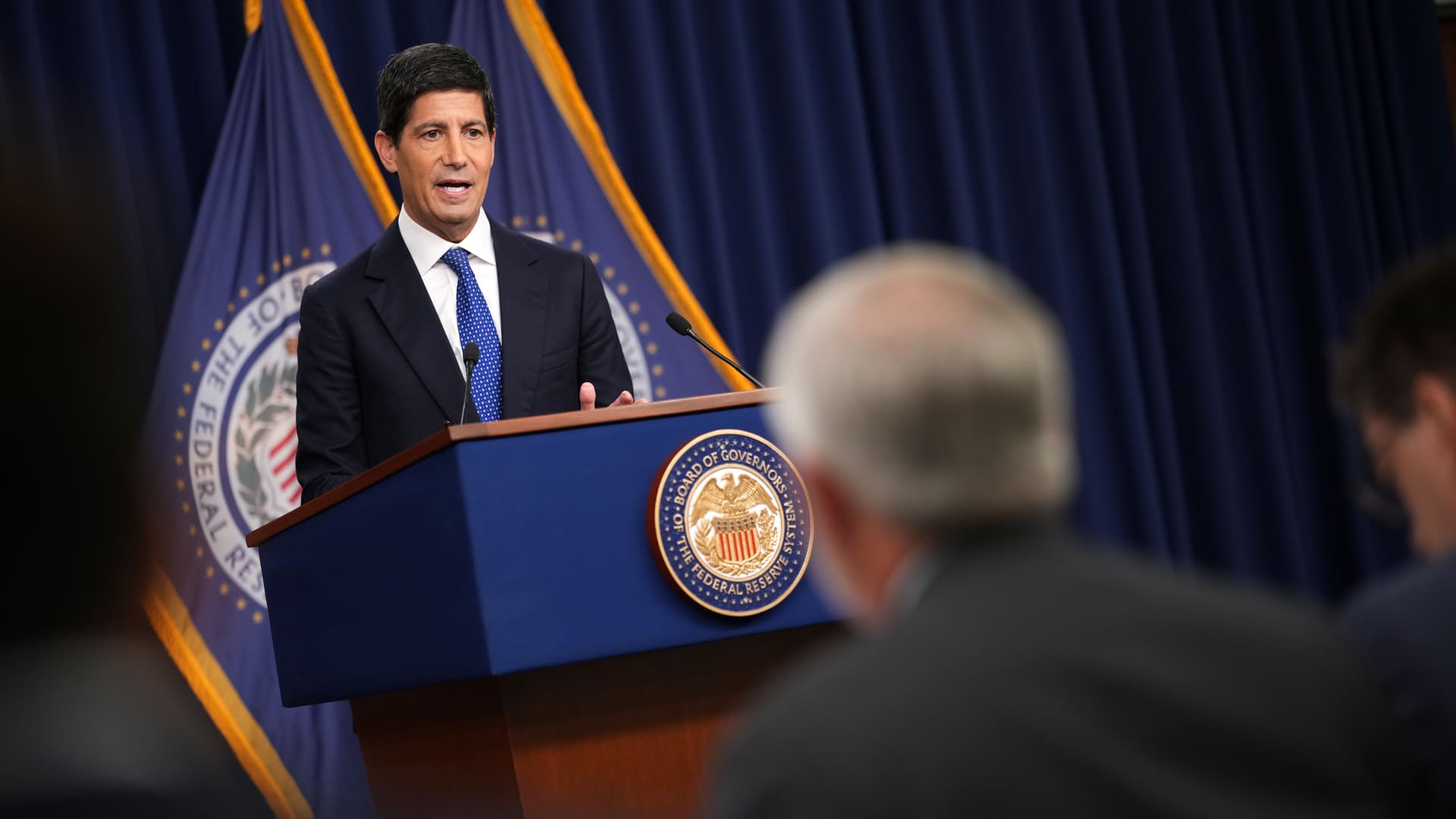
House passes Russia sanctions bill named for Lindsey Graham
The House approved the Russia and Iran sanctions measure 262-159, sending Trump new tariff and sanctions authorities for signature.
By Marcus V. Thorne · Markets Editor
· 3 min read
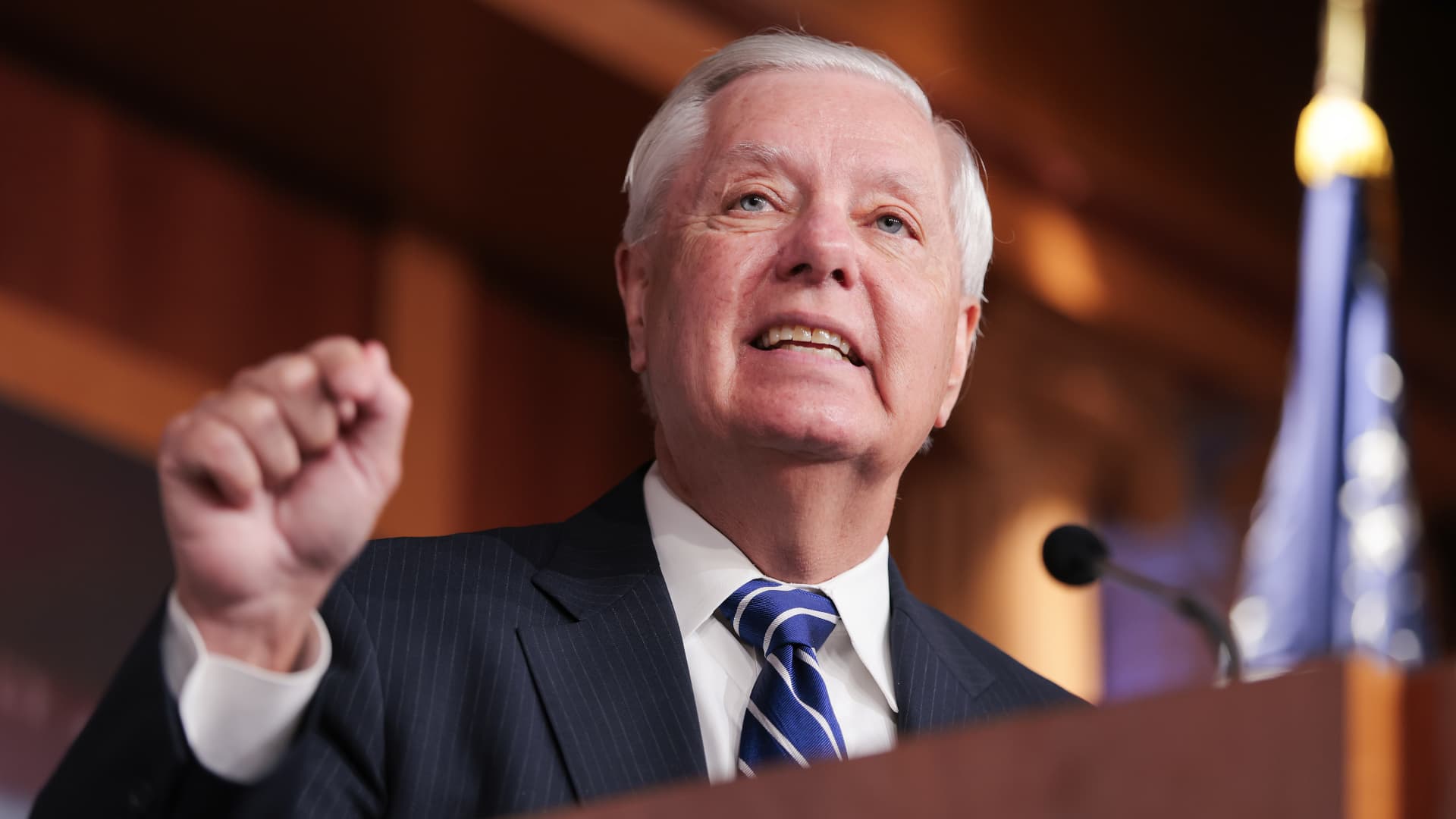
The House passes Russia sanctions bill by a 262-159 vote on Sept. 16, clearing a measure named for the late Senator Lindsey Graham and sending it to President Donald Trump. The Senate approved the legislation 86-11 last month, Reuters and CNBC reported, leaving the president’s signature as the final step before it can become law.
The Lindsey O. Graham Sanctioning Russia and Iran Act of 2026 is intended to increase economic pressure on Moscow over its war in Ukraine. Reuters reported that it focuses on Russia’s energy and defence industries and tankers used to circumvent existing sanctions, while also extending sanctions on Iran.
A White House official told CNBC that Trump intended to sign the bill. The reported action does not mean the new measures have taken effect: the legislation gives the president authorities that would require presidential action in relevant cases.
What would the Russia sanctions bill allow Trump to do?
The bill authorizes Trump to impose tariffs of as much as 100% on imports from countries that are among the largest buyers of Russian oil or natural gas. China and India were identified as examples in reporting by CNBC, Reuters and PBS NewsHour.
The mechanism seeks to raise the cost for third countries of continuing major purchases of Russian energy, a source of revenue for Russia. Reuters also reported that the package addresses Russia’s so-called shadow fleet, generally older or reflagged tankers used to move oil while evading restrictions.
According to PBS NewsHour’s Associated Press reporting, the measure includes sanctions concerning President Vladimir Putin, senior Russian political and military figures, financial institutions and energy projects. It also provides national-interest waiver authority, allowing the president to set aside restrictions under specified circumstances.
Why did the bill face opposition?
The vote drew bipartisan support, although House Democratic leaders and other opponents objected to the tariff and waiver provisions. Representatives Gregory Meeks, Don Beyer and Richard Neal said before the vote that the proposal would expand presidential tariff authority without requiring sanctions against Russia, CNBC reported.
They argued that wider tariff powers could increase prices for US consumers and weaken long-term backing for Ukraine. Reuters reported that House Democratic Leader Hakeem Jeffries similarly cited provisions he said could leave sanctions unenforced while giving Trump broad scope to levy tariffs.
Supporters presented the legislation as a means of reinforcing US support for Ukraine and increasing pressure on Russia. Representative Michael McCaul, a Republican of Texas, said during House debate that he believed the bill could bring Putin to negotiations, according to Reuters. That is a political assessment rather than an established outcome.
The act’s name honours Graham, the South Carolina Republican who had championed the legislation before his death. Reuters reported that he and other senators first introduced it in April 2025.
This story draws on original reporting from CNBC.