Iran Hormuz talks with Saudi Arabia and Oman continue as truce holds
Iran said it discussed Strait of Hormuz stability with Saudi and Omani officials as Trump cited talks and Tehran denied direct negotiations.
By Marcus V. Thorne · Markets Editor
· 3 min read
Iran Hormuz talks with Saudi Arabia and Oman continued Tuesday as a pause in U.S.-Iran fighting appeared to hold after two weeks of strikes. The diplomatic contacts coincided with a calmer market response: stocks rallied and oil prices fell Monday as traders weighed the prospect of a more durable peace agreement.
Iran’s Foreign Ministry said Foreign Minister Seyyed Abbas Araqchi held separate phone calls with Saudi Foreign Minister Faisal bin Farhan and Oman’s Foreign Minister Badr Al-Busaidi. In a Telegram statement translated by Google, the ministry said the conversations covered “the latest bilateral and regional developments.”
What are Iran's Hormuz talks about?
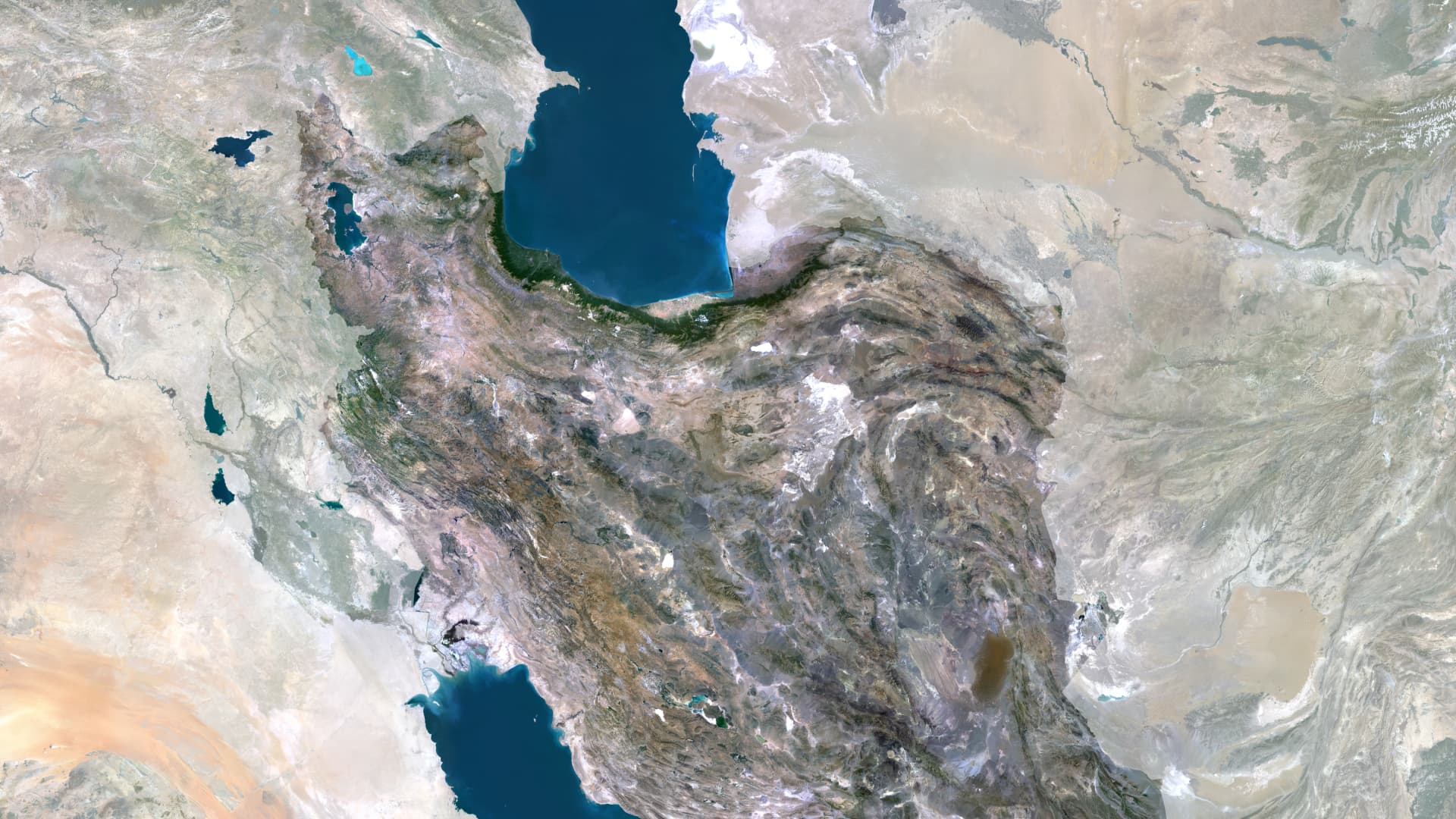
The ministry said the calls focused on strengthening cooperation and joint diplomacy to bring stability to the region and address what it described as insecurity imposed on the Strait of Hormuz by U.S. actions. The Strait of Hormuz is a strategically vital maritime passage, so any disruption or threat around it is closely watched by energy markets and Gulf governments.
The talks come after a temporary halt in direct U.S.-Iran hostilities took effect Friday, following two weeks of strikes between the two countries. U.S. President Donald Trump said late Monday there had been “good talks” with Iran, while Tehran continued to deny that direct negotiations with Washington were under way.
Iran’s Foreign Ministry indicated that messages were being passed through intermediaries. That distinction matters diplomatically: indirect exchanges allow governments to test proposals or convey warnings without formally sitting across the table from each other.
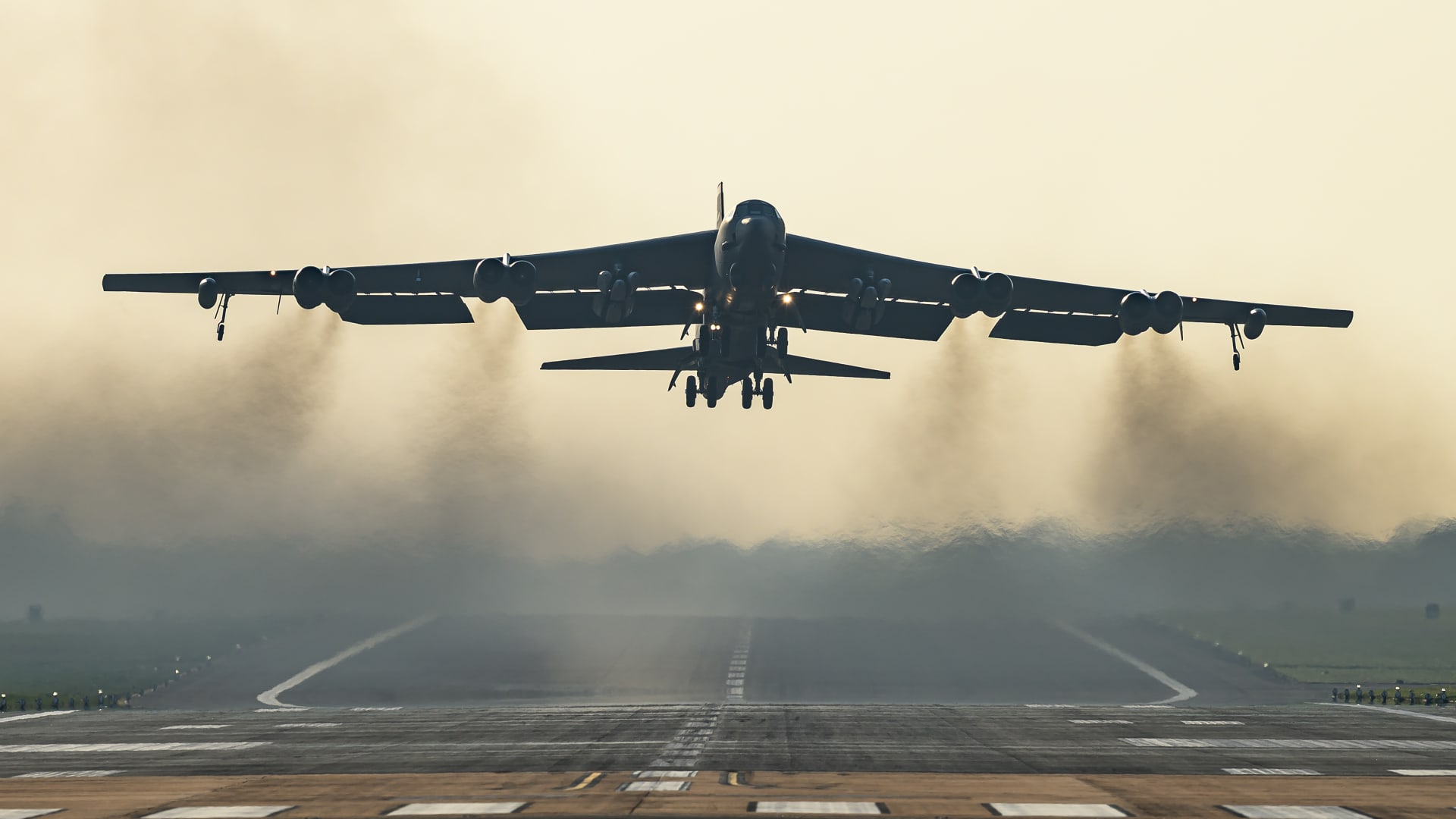
Trump told reporters on Air Force One that U.S. strikes would resume if talks failed to make progress. Speaking separately at a campaign rally in Michigan, he said, “You can’t bribe them. You’ve got to beat them, and we’ll beat the hell out of them. But we’ll see how it turns out. Right now, there are very friendly negotiations going on.”
Regional attacks keep pressure on Gulf security
The apparent pause between the United States and Iran has not ended military activity elsewhere in the region. Saudi Arabia said overnight that it intercepted a “number of drones” allegedly launched by Iran-backed militias in Iraq and aimed at the kingdom’s oil facilities.
Responsibility for the attempted strikes remained unclear. Reuters reported that Iraqi militias had not claimed the attacks, while Yemen’s Houthis said they had targeted Saudi oil facilities. The Houthis have been aligned with Iran and have previously been involved in attacks affecting Red Sea shipping, according to the reported regional context.
Jordan’s army also said it shot down a drone in its airspace overnight. Together, the incidents underscored the fragility of the regional pause even as Iran, Gulf states and intermediaries continue diplomatic contacts over Hormuz and broader security conditions.
For markets, the immediate signal has been the reduction in direct U.S.-Iran fire, which helped support stocks and weighed on oil prices Monday. The durability of that move remains tied to whether the temporary halt in strikes can be converted into a broader arrangement, and whether related armed groups refrain from attacks on energy infrastructure and shipping routes.
This story draws on original reporting from CNBC.