Iran tensions put US gasoline prices back under pressure
AAA puts regular gasoline near $3.80 a gallon, while GasBuddy says renewed Iran tensions could push the national average toward $4.
By Marcus V. Thorne · Markets Editor
· 3 min read
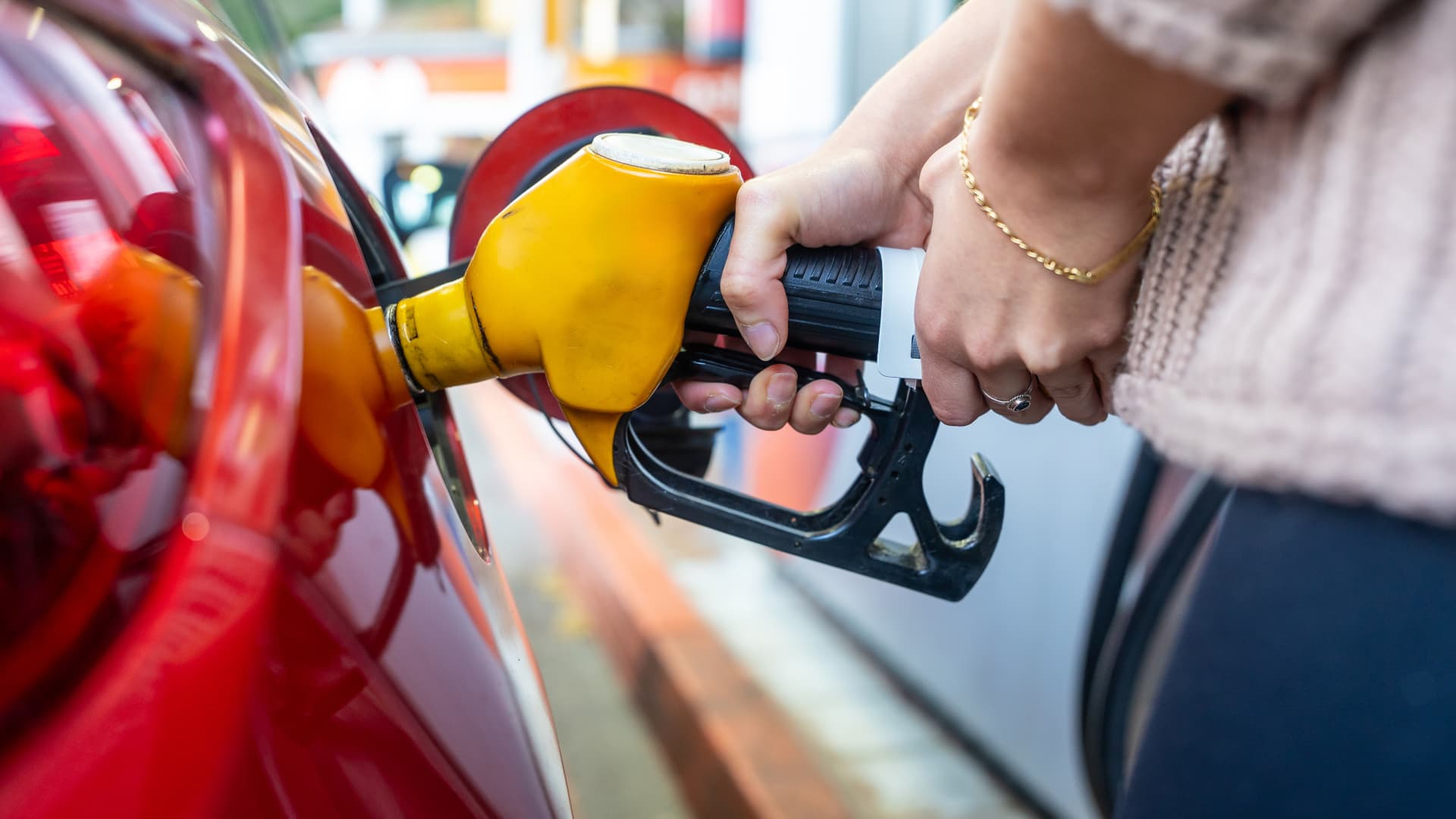
U.S. gasoline prices face renewed upward pressure after President Donald Trump said the U.S. ceasefire with Iran was over and suggested additional strikes could follow. AAA put the national average for regular gasoline at about $3.80 a gallon, below this year’s May peak of $4.56, while GasBuddy’s head of petroleum analysis, Patrick De Haan, said renewed tensions could move the average toward $4 in the days ahead.
De Haan wrote in a July 8 post on X that the end of the Iran ceasefire was adding pressure to oil prices, which in turn could lift pump prices. Gasoline prices often respond to changes in crude markets because oil is a major input cost for fuel retailers and refiners, with geopolitical risks feeding into wholesale pricing before reaching drivers.
The impact on household budgets can be material even when changes at the pump appear modest. At the May peak, the average driver was on course to spend about $70 more a month on gasoline than before the Iran war began on Feb. 28, according to calculations by the Federal Reserve Bank of Richmond cited by CNBC Make It.
Planners point to a monthly reset
Certified financial planners told CNBC Make It that the prospect of higher fuel costs gives budget-conscious households a reason to review monthly spending. Alvin Carlos, a certified financial planner at District Capital Management, said consumers can begin with what he calls a budget reset when a recurring cost such as gasoline rises.
Carlos recommends adding up all spending from the previous two months in a notebook, spreadsheet or budgeting app. He said households should then separate expenses into three groups:
- Fixed costs, including rent, insurance and loan payments.
- Essential variable expenses, including groceries and gasoline.
- Discretionary spending, including dining out, subscriptions and entertainment.
After that review, Carlos said households can set updated targets for variable and discretionary expenses based on current prices. If gasoline adds $30 or $40 to a monthly budget, he told CNBC Make It, consumers should try to locate a similar amount in savings elsewhere.
Mark Sanaiha, a certified financial planner at Macallen Capital in Phoenix, said recurring subscriptions are a common first place to cut. He told CNBC Make It that many households pay for streaming services, apps and memberships they no longer remember signing up for.
Carlos also pointed to restaurant spending as an area where some households may be able to reduce costs without eliminating the category. He said cutting restaurant visits from twice a week to once a week may be a manageable adjustment for some consumers. The approach, he said, is to preserve spending that matters most and reduce costs in areas that will be missed least.
Fuel savings depend on habits and payment costs
Carlos said drivers can compare local pump prices through apps such as GasBuddy and AAA. He also said members of warehouse clubs such as Costco, Sam’s Club or BJ’s may find lower gasoline prices, while grocery fuel rewards and station loyalty programs can reduce costs by a few cents per gallon.
Some credit cards offer higher cash back on fuel purchases, but Carlos said balances should be paid in full each month because interest costs can outweigh any rewards. He also recommended combining errands into one trip and keeping tires properly inflated to improve fuel efficiency.
For households exposed to fuel price swings, the immediate issue is cash flow rather than the headline price alone. A few cents per gallon can compound across repeated fill-ups, and planners cited by CNBC Make It said small adjustments across subscriptions, dining and driving habits can help absorb the added cost.
This story draws on original reporting from CNBC.