K-beauty gains ground in U.S. as retailers expand shelf space
NielsenIQ data show U.S. Korean beauty sales reached $2.8 billion in early 2026, as chains including Olive Young, Sephora and Target chase demand.
By Marcus V. Thorne · Markets Editor
· 4 min read
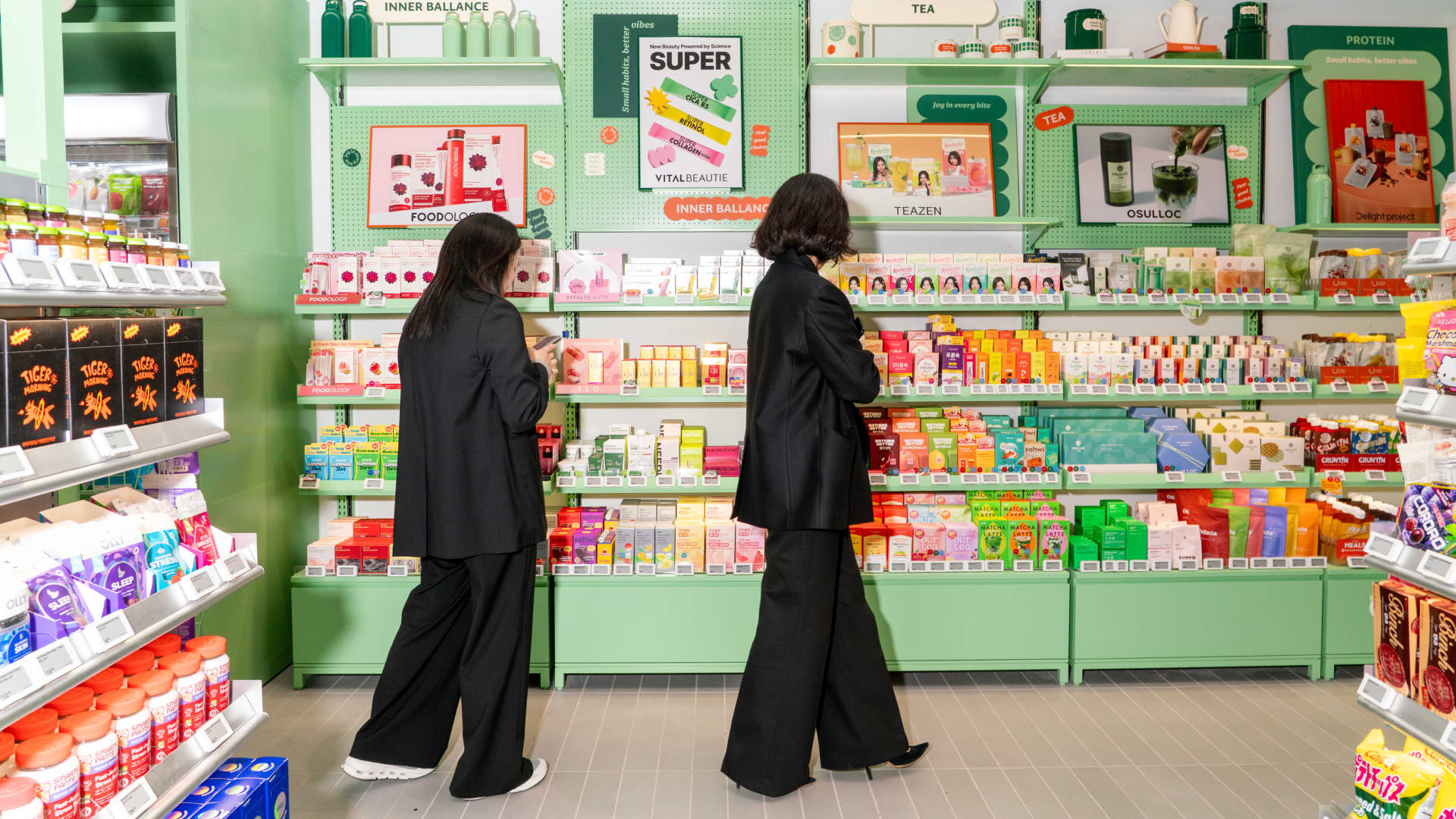
Korean beauty products are moving further into the U.S. consumer mainstream, with NielsenIQ estimating sales at $2.8 billion in early 2026, up about 48% from a year earlier. The acceleration is drawing more attention from retailers, mall operators and beauty chains seeking to convert online demand into store traffic.
Olive Young, the South Korean beauty retailer, opened its first U.S. store in Pasadena, California, in late May and said 6,000 customers visited over its opening weekend. The company said the store now averages more than 1,600 visitors a day, and it has since added a Century City, California, location while planning further U.S. openings.
Rena Kim, Olive Young’s global communications lead, told CNBC the U.S. was a logical next market because of its size and influence in beauty trends, content and consumer behaviour.
Sales growth moves beyond niche channels
K-beauty, a broad term for Korean cosmetics and skin-care products, built an American following through the 2010s and gained further attention during the Covid-19 pandemic, according to Anna Mayo, a beauty thought leader at NielsenIQ. Mayo told CNBC that consumers had time at home to learn skin-care routines, ingredients and product layering, helping popularise a skin-care-first approach associated with “glass skin.”
NielsenIQ data show U.S. K-beauty sales have more than doubled since 2023. Sales reached $1.3 billion in the 52-week period ending in March 2024, $1.9 billion in the next annual period, and $2.8 billion in the period ending in March 2026, according to NielsenIQ analysis using Total K-Beauty and Rakuten Economics data. The latest year’s growth rate, 48.1%, exceeded the prior period’s 44.8% rise.
Household penetration has also risen. NielsenIQ said Korean beauty products reached 28.7% of U.S. households in the latest 52-week period, compared with 23% a year earlier, 19.7% in 2023-24 and 13.7% in 2022-23.
Morgan Stanley analyst Simeon Gutman wrote in a March 11 note that U.S. K-beauty sales could reach about $4 billion in 2026, citing the popularity of Korean culture and demand for functional skin-care products. Gutman later told CNBC that his view remained current.
Retailers test the offline opportunity
NielsenIQ data cited by CNBC indicate that a large share of K-beauty sales comes through platforms such as TikTok Shop and Amazon. Mayo said that leaves an opening for physical retailers to win a larger share by bringing the category into stores.
Sephora announced a partnership with Olive Young earlier this year to offer Korean beauty products online and in stores. Ulta Beauty has also been identified by Gutman as a potential beneficiary of the category’s growth.
In Ulta’s latest earnings report, CFO Christopher DelOrefice said the company’s skin-care and wellness category recorded low-single-digit comparable sales growth in the quarter. He said prestige skin care, including Korean brand Medicube, performed well, while Peach & Lily helped drive guest engagement and Anua supported mass skin-care growth after an in-store expansion. Ulta did not respond to CNBC’s request for comment, and its second-quarter results are scheduled for Aug. 5.
Anna Glaessgen, a B. Riley Securities research analyst covering consumer products, told CNBC that K-beauty demand could also pressure average selling prices in skin care because Korean products often sell below prestige price points. She said younger consumers who find results in products priced around $20 or $30 may be harder to move into items costing hundreds of dollars.
Mass retailers are also adding inventory. A Target spokesperson told CNBC the company quadrupled its K-beauty assortment in the spring, adding more than 150 products and more than 10 brands across skin care, makeup and hair care. Amanda Nusz, Target’s senior vice president of merchandising, essentials and beauty, said K-beauty reflects the brands and trends its customers are seeking.
The trend is reshaping some mall tenant mixes. Kate Sabbag, vice president of leasing at Westfield Garden State Plaza in New Jersey, told CNBC that Asian retailers have expanded at the property over the past year, including Sukoshi, which sells K-beauty, Japanese beauty and Asian lifestyle products. She said social media and international travel are changing how consumers discover brands before seeking them in person.
Raymond James analyst Olivia Tong told CNBC that K-beauty has influenced the wider category through ingredient-led products and faster product development, including interest in ingredients such as centella asiatica. She said the market shift extends beyond a short-term trend.
This story draws on original reporting from CNBC.