Trump administration finalizes Medicaid and CHIP funding limits for youth care
CMS will end federal Medicaid and CHIP payments for specified gender-affirming care for young people on Oct. 13, while states may use their own funds.
By Sarah Jenkins · Chief Macro Economics Correspondent
· 3 min read
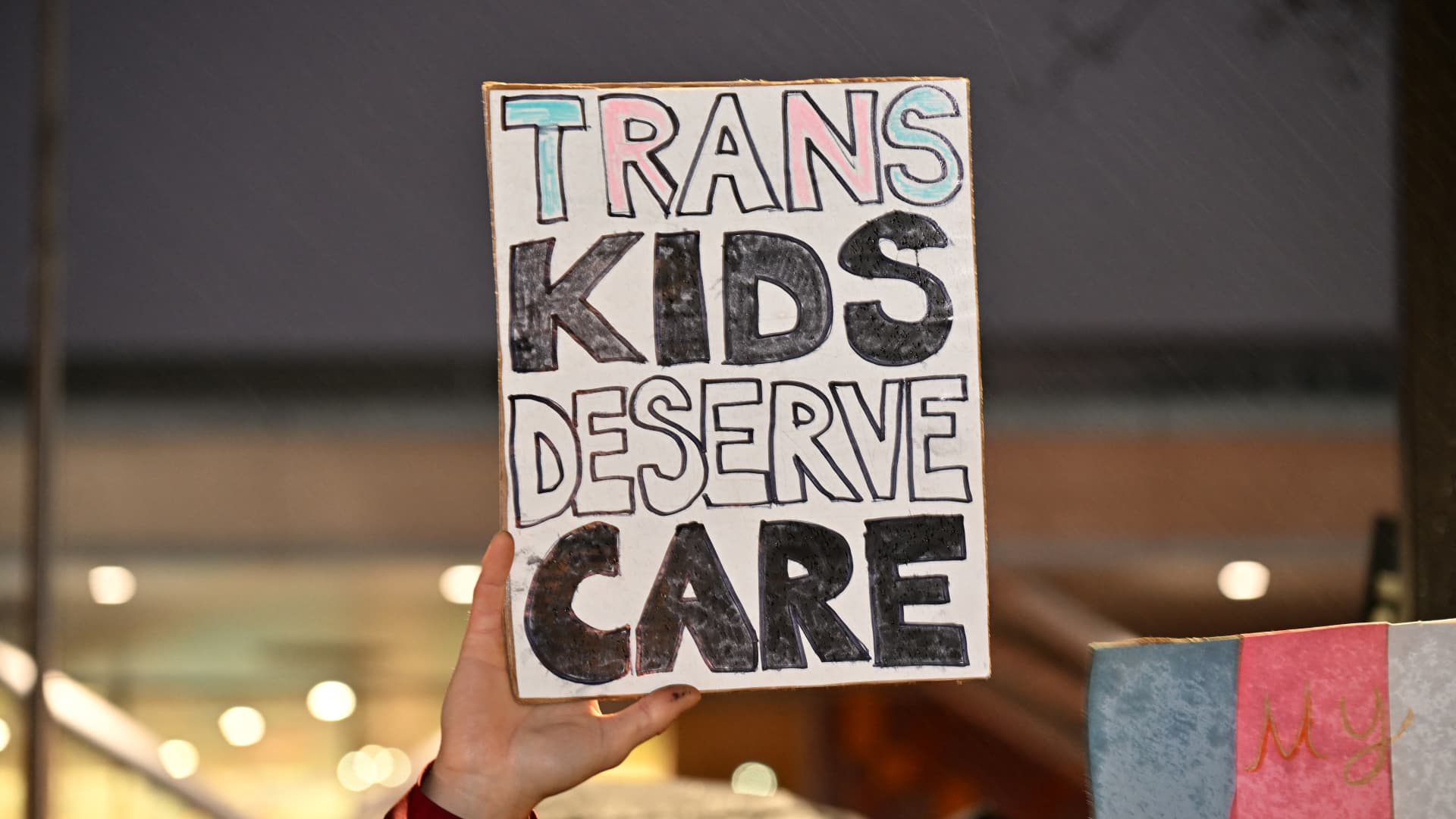
The Trump administration has finalized a Medicaid CHIP gender-affirming care funding rule that will prevent states from claiming federal payments for specified medical treatments for transgender young people from Oct. 13. The measure covers puberty blockers, hormone therapy and surgeries, while leaving states able to finance those services with their own money, according to Axios and CNBC.
The rule changes the federal contribution to Medicaid and the Children's Health Insurance Program, rather than imposing a nationwide prohibition on treatment. Medicaid and CHIP are federal-state programs: states administer coverage and receive federal matching funds for eligible spending. Under the new policy, states can still choose to cover the affected care from state funds, Axios reported.
What does the Medicaid and CHIP funding rule cover?
The federal funding restriction applies to puberty blockers, hormone therapy and surgical procedures provided as gender-affirming care for youth, CNBC and Axios reported. Surgeries are rare among minors, according to CNBC.
Federal support for psychotherapy related to gender dysphoria is not included in the cutoff, Axios reported. CNBC likewise said federal coverage of mental-health services for children is unaffected.
Axios reported that states will have a six-month period in which they may continue to receive federal funding for beneficiaries already taking gender-affirming hormone therapies. It also reported that 17 states currently cover some degree of such care for children through Medicaid and CHIP, citing the final rule.
How did the policy move from proposal to final rule?
CMS initially published the Medicaid and CHIP measure as a proposed rule on Dec. 19, 2025. The proposal, listed as CMS-2451-P, was subject to public comment through Feb. 17, 2026, according to the Federal Register. A proposed rule does not itself alter coverage; the administration finalized the funding restriction on Aug. 11, according to Axios and CNBC.
The administration said its decision followed a review by the Department of Health and Human Services and CMS that identified evidence gaps and safety concerns involving these interventions for children, CNBC reported. Major medical organizations have supported gender-affirming care when provided under clinical guidelines, while the American Academy of Pediatrics and other groups said the HHS report did not reflect the medical consensus and realities of care, according to CNBC and Axios.
How is this different from the proposed hospital rule?
The finalized Medicaid and CHIP policy is narrower than a separate proposed hospital Conditions of Participation rule. That proposal would have made the provision of specified gender-affirming services to patients under 18 a condition of participation for certain Medicare- and Medicaid-enrolled hospitals, potentially affecting patients regardless of how they paid, KFF reported.
NPR reported in July that HHS was unlikely to advance that broader hospital proposal, although it had not been formally withdrawn. After NPR's report, an HHS account said the department and CMS were reviewing comments and intended to issue a final rule. The status of that separate hospital measure therefore remains distinct from the finalized Medicaid and CHIP funding restriction.
This story draws on original reporting from CNBC.