Memphis AI buildout turns into test case for data center resistance
SpaceXAI’s Colossus sites have drawn lawsuits, policy responses and community opposition as AI infrastructure demand strains local systems.
By Amanda Ross · Deals Correspondent
· 4 min read
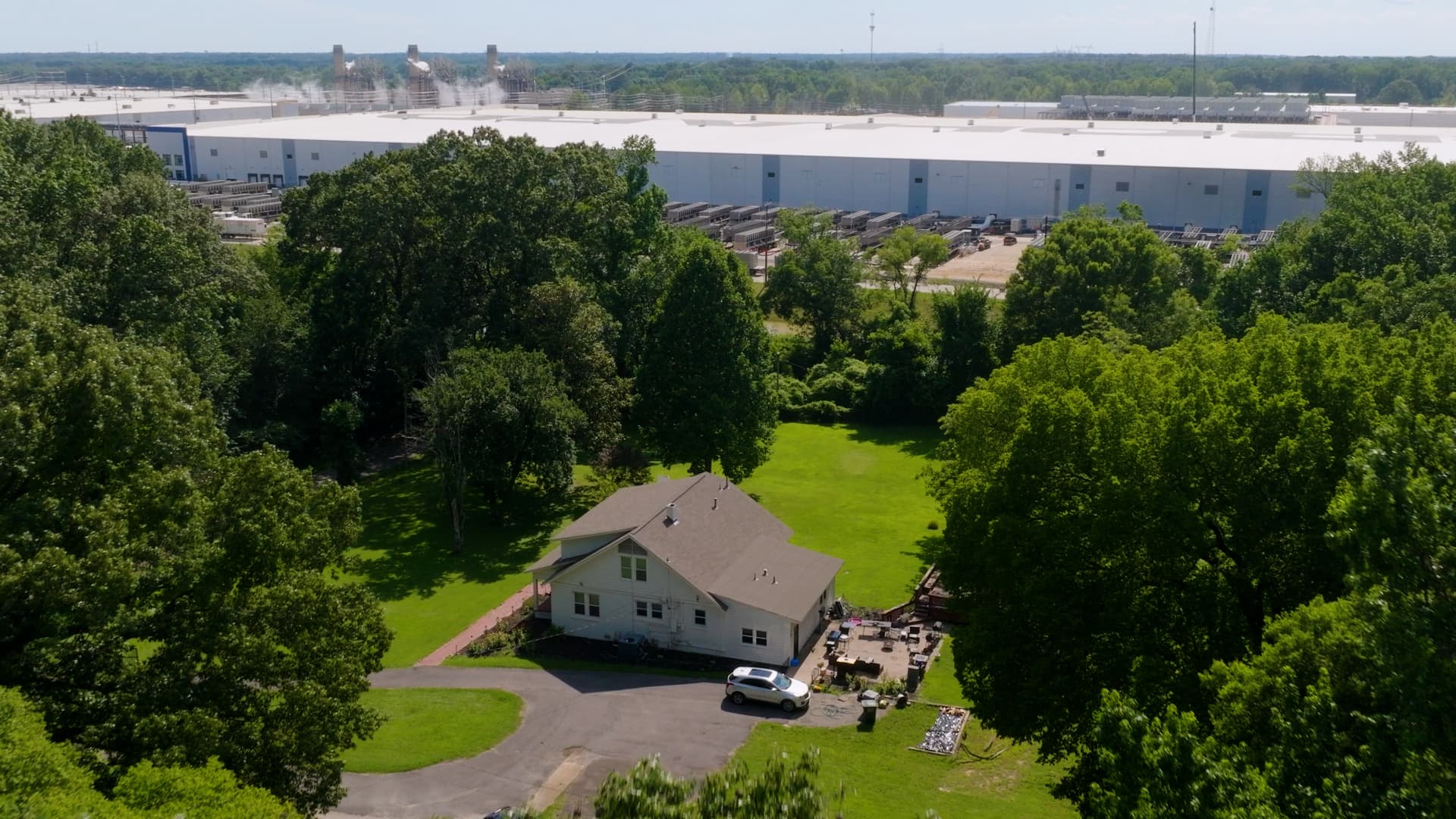
Elon Musk’s AI infrastructure expansion in Greater Memphis has become a national reference point for opposition to data centers, after residents complained of noise, emissions and pressure on local utilities near SpaceXAI’s Colossus and Colossus II sites. The dispute now carries broader economic implications for AI developers and power providers, as states consider limits, cost-sharing rules and permitting challenges that could affect projects backed by Microsoft, Meta, Google, OpenAI and other large operators.
SpaceXAI, acquired by Musk’s SpaceX in February, has bought more than 1,100 acres in the Greater Memphis area for data centers and a power plant, according to CNBC. The facilities were first built to train and run xAI’s Grok models and chatbot, and SpaceX has since made AI capacity central to its investor story after a record-setting initial public offering in June.
Google, Anthropic and Reflection AI have signed agreements with SpaceX to lease surplus computing capacity at Colossus and Colossus II, with contracts worth up to $2.32 billion a month, CNBC reported. Memphis Mayor Paul Young told CNBC that SpaceXAI paid $25 million in taxes during its first year of operations, making it Shelby County’s second-largest property taxpayer after FedEx.
Local complaints become a national model
Residents near the sites told CNBC that SpaceXAI did not consult them before construction began. Jason Haley, who lives in Southaven, Mississippi, within a mile of Colossus II, described the noise from the data center and gas-burning turbines as “like a form of torture.”
Haley and other Southaven residents filed a proposed class action lawsuit in June alleging SpaceX created a public nuisance through excessive noise from Colossus II. Neighbors of Microsoft’s Fairwater Data Center in Mt. Pleasant, Wisconsin, filed a similar proposed class action this month over noise issues.
Data centers require large sites, dense electricity supplies for chips and servers, and water for cooling equipment. When grid power is insufficient or delayed, operators can use gas turbines to generate electricity on site. The turbine models used by SpaceXAI in Memphis can emit thousands of tons of smog-forming nitrogen oxides a year, according to manufacturers’ specifications cited by CNBC, and operations and construction also emit fine particulate matter known as PM 2.5.
The Southern Environmental Law Center and Earthjustice sued Musk’s company in April on behalf of the NAACP in federal court in Mississippi. The lawsuit alleges the company violated the Clean Air Act by operating dozens of gas-burning turbines without required permits and without pollution controls in place from the start.
The NAACP’s lawyers sought an emergency injunction in May to stop SpaceX from using dozens of turbines in Southaven. The U.S. Department of Justice asked the court to dismiss the case, saying in a filing that SpaceXAI’s technology had been used in U.S. military operations in Iran and was now crucial to national security. SpaceX is contesting the lawsuit and has argued that turbines now on site are temporary, with permitted turbines and pollution controls planned.
Policy pressure expands beyond Tennessee
New York Gov. Kathy Hochul this week enacted a one-year moratorium on AI data center construction, drawing criticism from President Donald Trump, a Musk ally. New Jersey Gov. Mikie Sherrill last week signed legislation intended to make data center operators pay what the state defines as a fair share for electricity rather than shifting costs to households and businesses.
Public resistance has broadened. A Gallup poll in May found that 70% of Americans opposed AI data center construction in their local area, including 48% who said they were strongly opposed. Musk acknowledged during SpaceX’s IPO road show with JPMorgan CEO Jamie Dimon that few people want power plants nearby, CNBC reported.
Other communities have cited Memphis while changing rules. Olive Branch and Jackson updated zoning laws after the Memphis buildout, according to CNBC. In Utah, state Senate president Stuart Adams lost a Republican primary after supporting a proposed data center backed by investor Kevin O’Leary, and two other local officials who supported the project also lost primary races.
Memphis Light Gas & Water told CNBC that water and electricity rates “have not been impacted” by SpaceXAI, and said a planned 4% annual electric rate increase for three years beginning in 2024 was unrelated to data center demand. Young said the city has tried to reduce adverse effects while increasing benefits, though he acknowledged SpaceX has not yet completed promised infrastructure including a water recycling plant intended to reduce cooling demand.
This story draws on original reporting from CNBC.