Oil gains as US-Iran threats put regional infrastructure in focus
WTI and Brent rose more than 1% as Tehran warned it would retaliate against regional infrastructure if Washington attacked Iranian facilities.
By Marcus V. Thorne · Markets Editor
· 3 min read
Oil prices rose Friday as investors assessed a sharper exchange of threats between the United States and Iran, with regional infrastructure again central to energy-market risk. U.S. West Texas Intermediate futures for August delivery advanced 1.32% to $80.09 a barrel, while September Brent futures, the international benchmark, gained 1.33% to $85.35 a barrel, according to CNBC.
The move followed comments by President Donald Trump in a Fox News interview on Tuesday. Trump said U.S. forces would target Iran’s infrastructure next week unless the two sides achieved a diplomatic breakthrough.
Tehran responded on Thursday in a statement posted on Telegram. A spokesperson for Iran’s top military command warned that, if Trump’s threat were carried out, “everything that is still intact,” including “all the infrastructure in the region,” would be “crushed.”
Futures reflect supply risk
Oil futures price barrels for delivery in specified months, so the contracts cited Friday reflected expectations for August U.S. crude and September Brent. WTI is the main U.S. marker, while Brent serves as a reference point for much of the globally traded crude market.
Threats against energy, transport or other infrastructure can affect crude prices even before confirmed physical disruption. Market participants adjust futures prices as they reassess the probability of supply interruptions, shipping constraints or a wider regional conflict. The latest gains were tied to the escalation in rhetoric rather than a reported new disruption to supply.
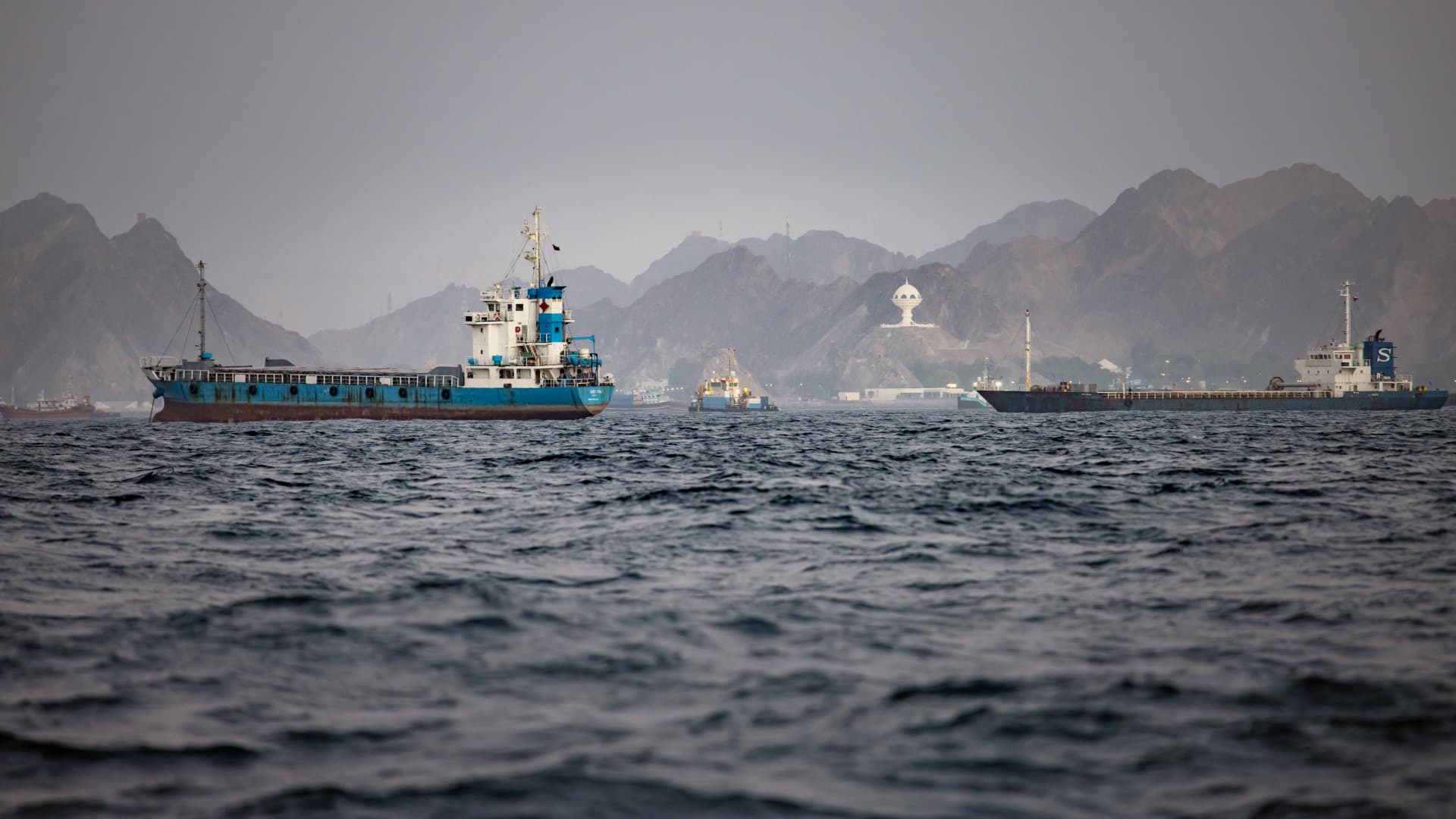
A Getty Images caption from June 21 identified oil tankers and cargo vessels anchored off Port Sultan Qaboos in Muscat, Oman. The caption described the Strait of Hormuz as a vital oil and gas shipping route and said it had been effectively blockaded since war broke out between the United States and Iran in late February.
Rystad sees talks still possible
Jorge León, senior vice president at Rystad Energy, wrote in a Friday note that a limited agreement between Washington and Tehran remained the firm’s base case. He added that Rystad’s confidence in that outcome had weakened.
León said both governments still had economic reasons to avoid a full collapse in negotiations. He wrote that the United States wanted lower oil prices before the November midterm elections, while Iran had incentives to preserve potential economic benefits from a deal.
“Tehran has a substantial economic package on the table, including access to frozen assets and export waivers, that it does not want to walk away from permanently,” León said.
The market response leaves crude traders focused on whether the diplomatic channel can limit the risk premium building around regional infrastructure. For now, the reported price moves show investors assigning greater weight to the possibility that military threats could affect energy flows in a key producing and transit region.
This story draws on original reporting from CNBC.


