Mortgage rates climb to highest level since August 2025
MBA data showed weaker purchase-loan demand as the 30-year conforming mortgage rate rose to 6.65%, while refinancing activity increased from a low base.
By Sarah Jenkins · Chief Macro Economics Correspondent
· 3 min read
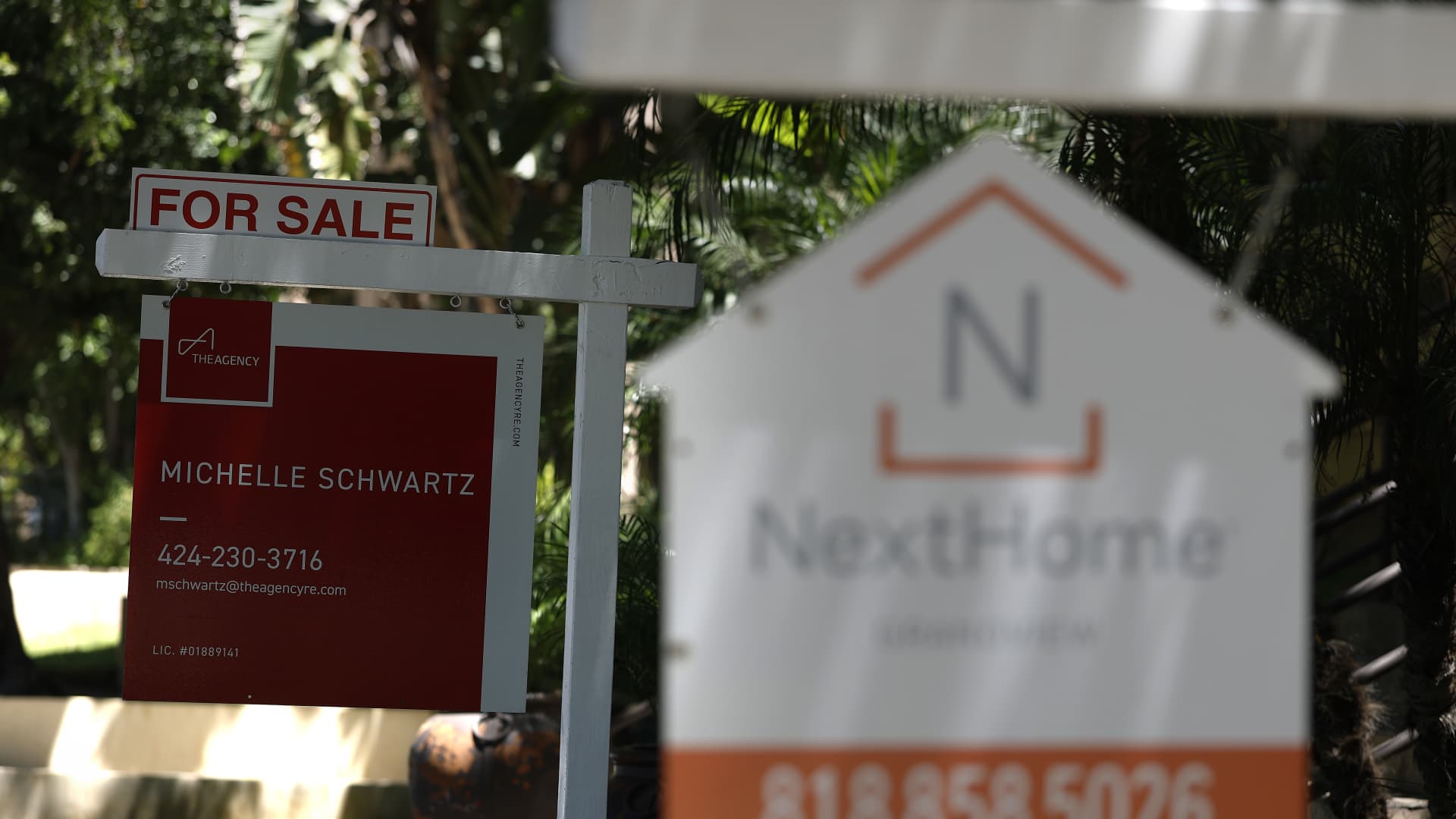
U.S. mortgage rates rose to their highest level since August 2025, prompting a pullback in home-purchase loan demand while refinancing applications moved higher. Total mortgage application volume fell 2.7% from the previous week on a seasonally adjusted basis, according to the Mortgage Bankers Association.
The MBA said the average contract rate on 30-year fixed mortgages with conforming loan balances of $832,750 or less increased to 6.65% from 6.58%. Points, including the origination fee, rose to 0.67 from 0.64 for borrowers making a 20% down payment.
Purchase applications declined 7% week over week and were 2% below the comparable week a year earlier, according to the MBA. The retreat came as buyers continued to face elevated home prices and a limited supply of lower-priced properties for sale.
Higher mortgage rates affect affordability by increasing the monthly payment required to finance the same home price. For borrowers already constrained by down payments, insurance, taxes and other costs, even a modest increase in the contract rate can reduce the loan size they can support or delay a purchase decision.
Refinancing rises despite limited rate incentive
Refinance applications increased 4% from the previous week and were 7% above the same week a year earlier, the MBA said. The gain came even though mortgage rates were only 17 basis points lower than the comparable period last year, leaving many existing borrowers with limited financial motivation to replace their current loans.
Refinancing activity can rise in percentage terms when the underlying pool is small. Some borrowers are also using cash-out refinances, which replace an existing mortgage with a larger one and allow the homeowner to draw on accumulated home equity.
Joel Kan, the MBA’s vice president and deputy chief economist, said in the association’s release that refinance applications increased despite higher rates. He said the rise was led by Federal Housing Administration and Veterans Affairs refinance applications, which climbed 9% and 10%, respectively.
The refinance share of total mortgage activity increased to 43.2% from 40.6% a week earlier, according to the MBA. That shift reflected the sharper decline in purchase applications and the weekly increase in refinancing demand.
Fuel prices cited in rate move
Mortgage News Daily, in a separate survey, reported that mortgage rates moved higher at the start of this week. Matthew Graham, the firm’s chief operating officer, attributed the recent increase mainly to higher fuel prices in July and to the fact that rates had not fallen below 6.52% during the previous two months.
Graham wrote that rates had already been trading in an elevated range, and that the rise in fuel prices gave them an additional push. Mortgage rates then recovered somewhat Tuesday after an inflation reading came in well below expectations, according to Mortgage News Daily.
The weekly data underscore the pressure on housing activity from the combination of borrowing costs, prices and available inventory. For lenders, the figures also show how refinancing can still fluctuate even when broad rate incentives remain limited for many homeowners.
This story draws on original reporting from CNBC.