Netflix earnings to test ad-tier progress and engagement concerns
Analysts polled by LSEG expect Netflix to report 79 cents in EPS and $12.59 billion in revenue for the second quarter.
By Sarah Jenkins · Chief Macro Economics Correspondent
· 3 min read
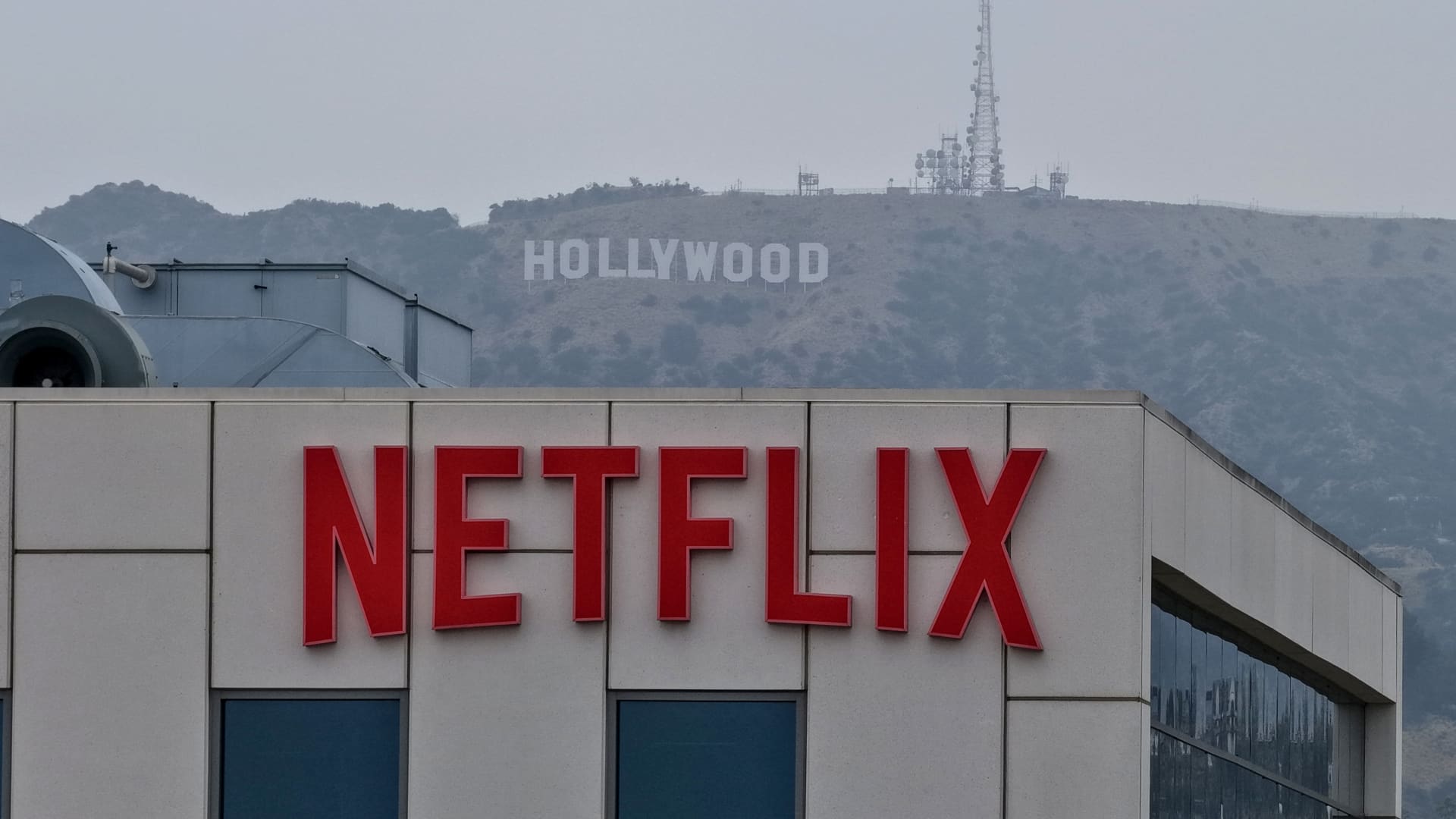
Netflix is scheduled to report second-quarter results on Thursday, with analysts surveyed by LSEG expecting earnings of 79 cents a share on revenue of $12.59 billion. The release will give investors a fresh reading on the company’s advertising push, viewer engagement and strategic posture after a year in which its shares have fallen about 40%.
The company will hold a call with analysts at 4:45 p.m. ET, according to CNBC. The quarter covers the period ended June 30 and comes as major media groups deal with consolidation, business separations and rising competition for viewing time.
One focus will be Netflix’s lower-priced subscription plan that includes advertising. Media companies have put renewed emphasis on ad sales as streaming subscriber growth has moderated in recent years, according to CNBC. Netflix said earlier this year that it remained on pace to generate $3 billion in advertising revenue in 2026, which would represent a doubling from the prior year.
The ad tier gives customers a cheaper way to subscribe while allowing Netflix to sell commercial inventory against viewing on the service. For investors, the central issue is whether advertising can add revenue without weakening the economics of the broader subscription business.
Deal questions remain in focus
Management may also face questions about its appetite for acquisitions. CNBC reported that Netflix pursued Warner Bros. Discovery’s film and streaming assets late last year before stepping away from the transaction. That episode prompted market speculation about whether the company could consider other media assets.
The broader media industry has been under pressure as streaming has disrupted the traditional pay-TV model. CNBC has also reported that technology platforms including Google’s YouTube and TikTok have taken more viewing time from conventional media formats.
Earlier this year, while discussing its interest in Warner Bros. Discovery assets, Netflix management said the company faced intense competition across a wide range of entertainment options, according to CNBC.
Netflix remains larger than many streaming peers by subscriber count. The company said in January that it had 325 million global paid members.
Engagement and content spending
Investors are also watching engagement after recent reports cited by CNBC said viewership for some Netflix series declines after the first season. Engagement matters because time spent on the platform can affect customer retention, ad inventory and the company’s ability to extract more revenue from its audience.
KeyBanc analysts wrote in a Sunday report that current investor concerns resemble the pressure Netflix faced in 2022, when the company reported its first subscriber loss in more than a decade, according to CNBC. That earlier period led Netflix to accelerate initiatives including the ad-supported tier and limits on password sharing.
“This time around, we believe levers will likely center around content and product diversification that aid perceived content quality, and support better monetization per hour,” KeyBanc analysts said in the report cited by CNBC.
Netflix said in April that it expected second-quarter revenue to increase 13%, according to CNBC. At that time, the company repeated that content spending would be weighted toward the first half of the year because of the timing of releases, and said it expected content amortization growth to slow in the second half.
Those comments put attention on the relationship between programming costs and revenue growth. Content amortization is the accounting process by which the cost of films and series is expensed over time, rather than recorded all at once when cash is spent. A slower growth rate in that expense can support margins if revenue continues to expand, though the company’s results will determine how that balance developed during the quarter.
This story draws on original reporting from CNBC.


