Nvidia gains as oil shock pressures broader Wall Street trading
US stocks fell Wednesday as crude and Treasury yields rose, while Nvidia advanced on a report about possible H200 chip sales in China.
By Amanda Ross · Deals Correspondent
· 3 min read

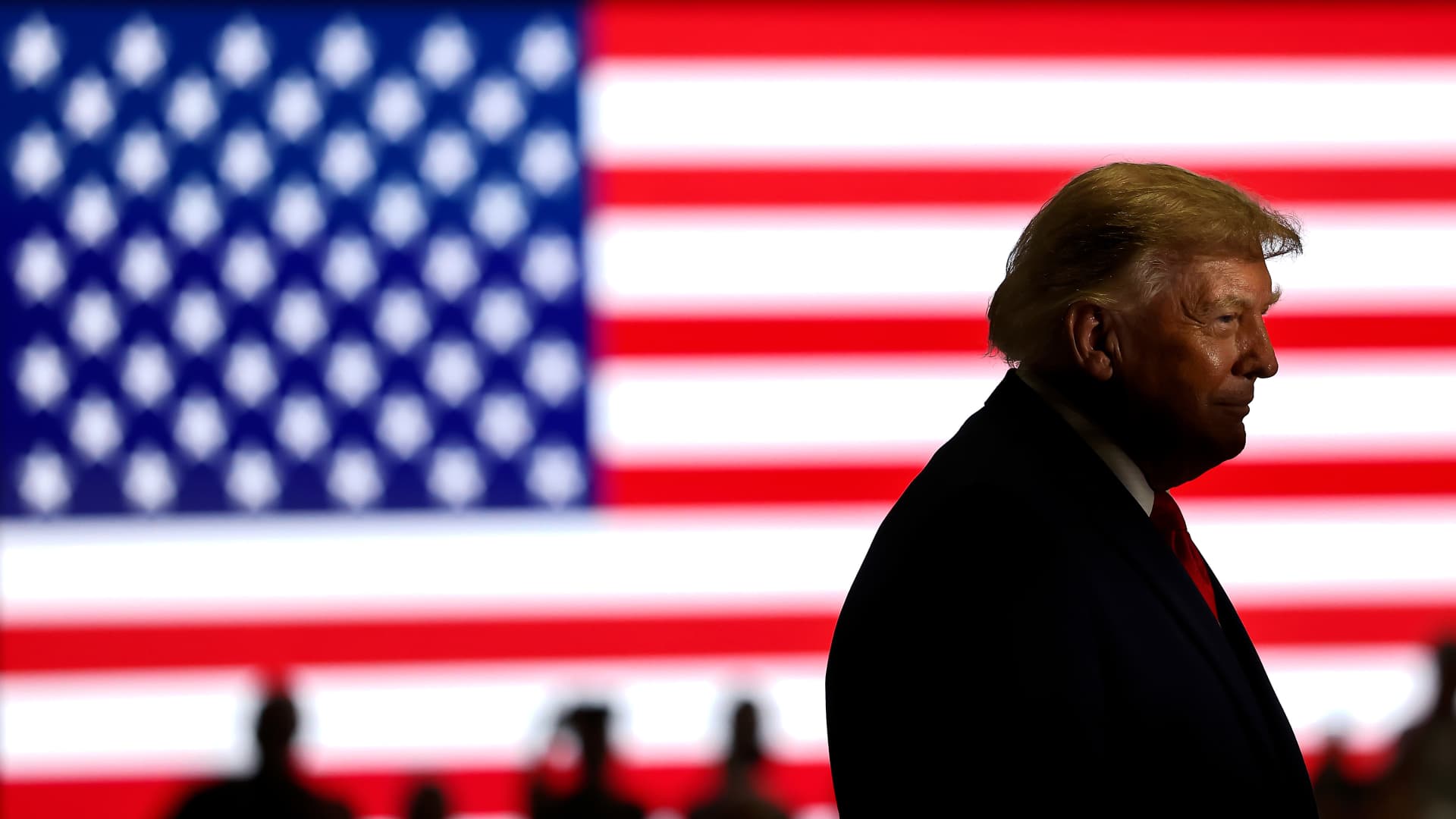
US stocks traded lower Wednesday, though they recovered from the weakest levels of the session, as oil prices and Treasury yields rose after President Donald Trump said the ceasefire agreement with Iran was over. Nvidia stood out among the stronger names, with shares rising after The Information reported that China plans to permit some artificial intelligence companies to purchase limited quantities of the company’s H200 chips.
West Texas Intermediate crude climbed to $74 a barrel from $70, while Brent crude rose to about $78, according to the CNBC Investing Club with Jim Cramer. The move in energy markets fed through to bonds, where the 10-year Treasury yield reached roughly 4.58%, close to its May high, as traders increased expectations for Federal Reserve rate hikes on concerns that higher fuel costs could keep inflation elevated, the Investing Club said.
Higher oil prices can raise costs across transport, manufacturing and consumer categories. If investors believe those costs will slow the decline in inflation, they may price in tighter monetary policy for longer, pushing yields higher. That combination weighed on economically sensitive shares Wednesday, with materials, consumer discretionary and financials among the weakest sectors, according to the Investing Club. Industrials also struggled.
AI shares recover after recent losses
Artificial intelligence-related stocks were the strongest group in the session, rebounding after declines in three of the prior four trading days, the Investing Club said. Nvidia’s advance followed The Information’s report that China may allow a small group of domestic AI companies to buy a restricted amount of H200 processors.
The H200 is part of Nvidia’s data-center chip lineup used in AI computing. Sales into China have been constrained by overlapping US export controls and Chinese import restrictions. Earlier this year, the US government approved licenses allowing Nvidia H200 chips to be shipped to Chinese customers, according to the Investing Club. Nvidia has not yet recorded revenue from those chips in China, the club said, because Beijing has limited imports of Nvidia chips over security concerns.
The reported shift would be meaningful if it resulted in confirmed orders and revenue, given the size of the Chinese AI market. The Investing Club described China as a market once estimated at $50 billion a year for Nvidia. It also cautioned that previous reports have not produced a clear change in sales. Reuters reported in January that China had allowed ByteDance, Alibaba and Tencent to buy Nvidia H200 chips, but the Investing Club said that report did not lead to material follow-through.
Any confirmed return to China would affect how investors assess Nvidia’s revenue base and how analysts treat the region in longer-term models. For now, the Investing Club said confirmation from Nvidia on orders and sales would be needed before assuming China revenue is restored to management guidance.
FactSet data cited by the Investing Club showed Nvidia trading at 16.5 times estimated calendar 2027 earnings per share. The club also pointed to the company’s position in AI platforms as a reason investors continue to focus on the stock, separate from the unresolved China sales question.
Next catalysts
Levi Strauss was scheduled to report earnings after Wednesday’s close, with Chief Executive Michelle Gass set to appear on CNBC’s “Mad Money” with Jim Cramer. PepsiCo was due to release quarterly results before Thursday’s opening bell.
On the economic calendar, weekly jobless claims and existing home sales were scheduled for release Thursday morning.
This story draws on original reporting from CNBC.