Oil climbs as renewed U.S.-Iran conflict puts Hormuz in focus
Brent and WTI rose about 1% after U.S. strikes on Iran renewed concerns over commercial shipping and oil flows through the Strait of Hormuz.
By Marcus V. Thorne · Markets Editor
· 2 min read
Oil futures rose Thursday as renewed U.S.-Iran hostilities increased concern over potential interruptions to energy shipments through the Strait of Hormuz. Brent crude for September delivery gained 1.03% to $78.82 a barrel, while U.S. West Texas Intermediate futures for August climbed 1.06% to $74.29.
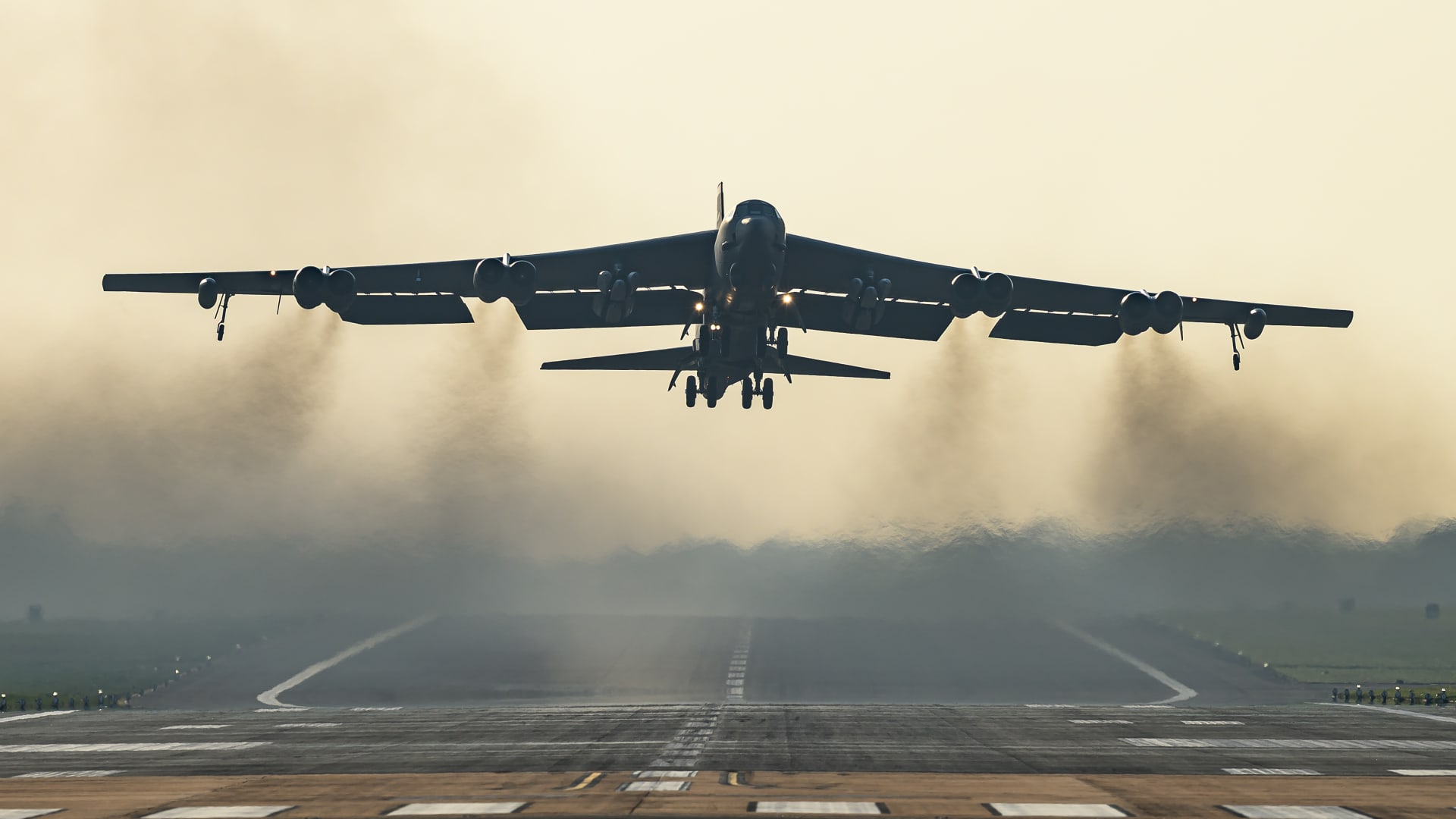
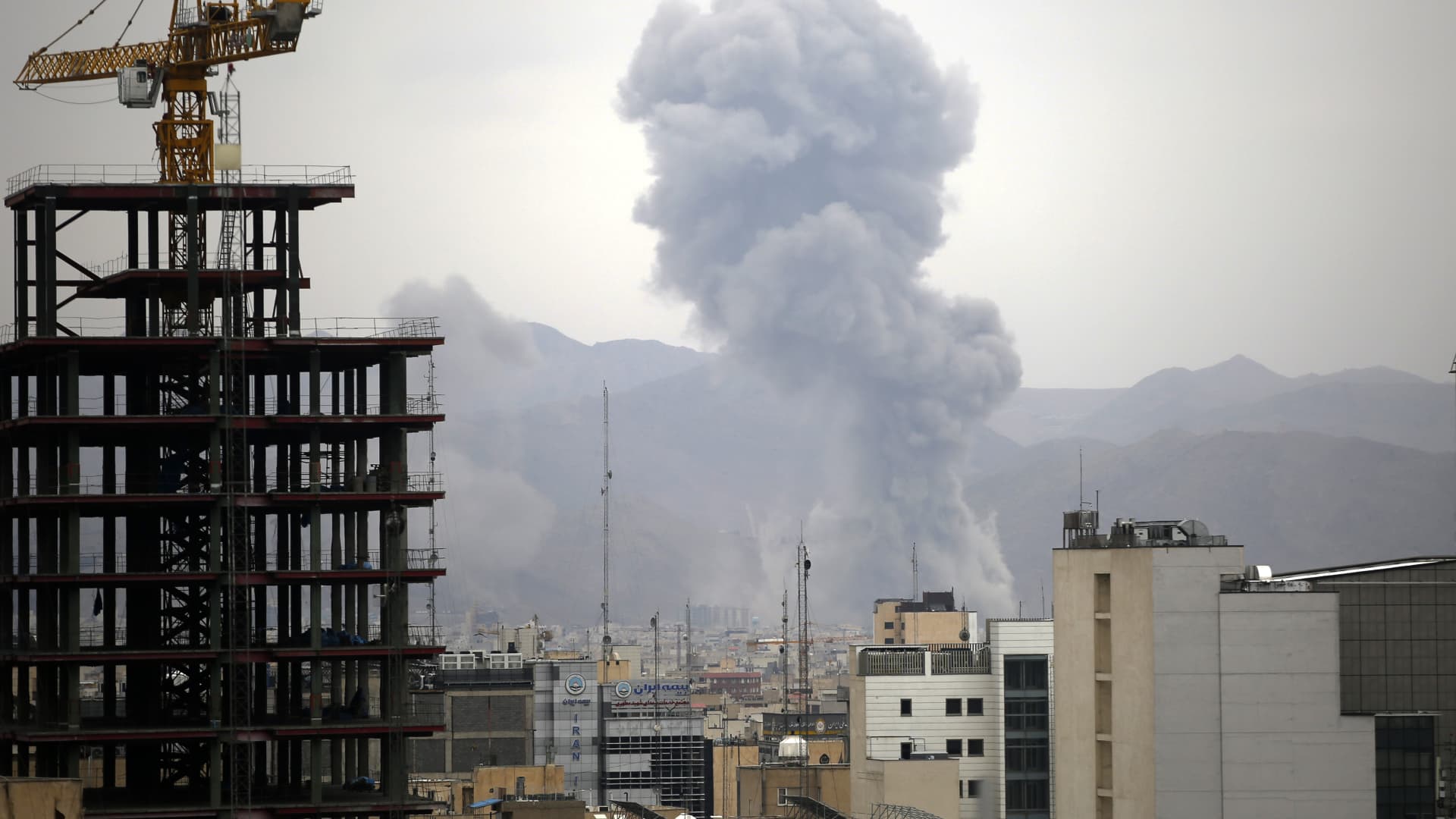
The move followed a statement from U.S. Central Command on Wednesday saying the U.S. military had launched additional strikes on Iran in response to Tehran’s attacks on commercial shipping near and within the Strait of Hormuz. The waterway is among the most closely watched routes in global energy trade because a disruption there can quickly affect perceptions of available supply.
U.S. President Donald Trump also indicated earlier Wednesday that he was no longer seeking to negotiate an agreement with Iran. Before that, he said the ceasefire between the U.S. and Iran was “over,” after another wave of attacks in the Middle East.
Shipping risk returns to crude pricing
The Strait of Hormuz links the Persian Gulf with global markets, making it a central corridor for energy exports from the region. When security risks rise around such a route, traders may reassess whether cargoes can move on schedule, whether freight costs will increase and whether buyers will need to secure alternative supply.
Saxo said the market was again having to account for the possibility that attacks on shipping, or a wider deterioration in relations between Washington and Tehran, could slow the return of normal traffic through the strait. The firm said the channel’s role as a major energy chokepoint means “even limited disruption can have an outsized impact on prompt pricing, freight costs and market sentiment.”
Prompt pricing refers to the value of crude for near-term delivery. It can react quickly to transport or security problems because any delay in physical barrels may affect refiners, trading houses and shippers before longer-term supply adjustments take place.
The latest rise in Brent and WTI extends a period in which geopolitical risk in the Middle East has been a key variable for oil markets. The U.S. strikes, Iran’s reported attacks on commercial shipping and Trump’s comments on negotiations all point to a more difficult diplomatic backdrop, according to the officials and market commentary cited.
For investors and energy consumers, the immediate issue is whether shipping through and around Hormuz remains reliable. For policymakers, the price reaction underscores how military developments in the Gulf can be transmitted rapidly into global commodity markets through freight rates, risk premiums and near-term supply expectations.
This story draws on original reporting from CNBC.