SpaceX shares slide after Starship launch is halted by engine fault
SpaceX traded lower before the open after an ignition failure stopped a Starship test flight seconds before liftoff in Texas.
By Marcus V. Thorne · Markets Editor
· 3 min read
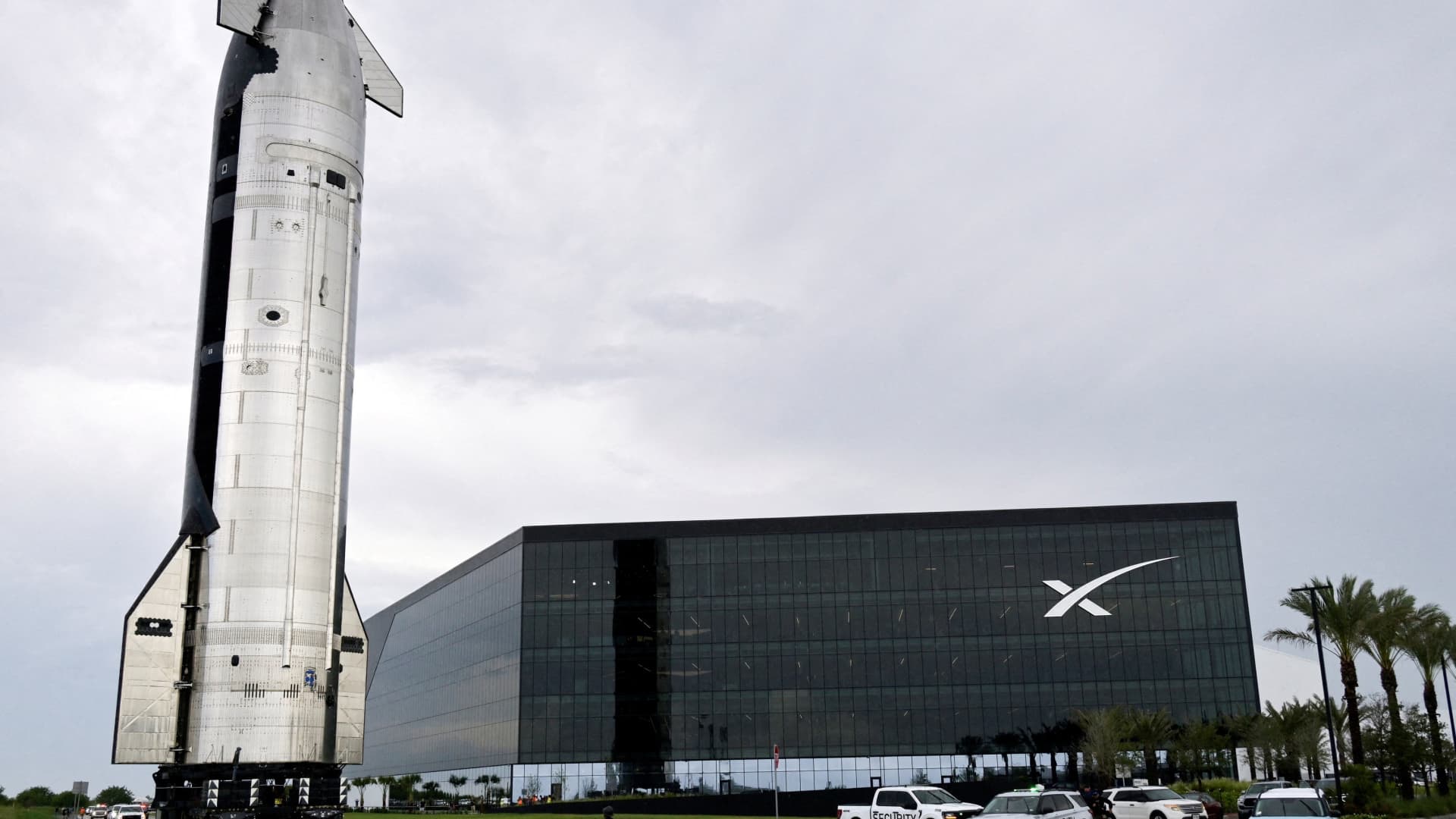
SpaceX shares fell in premarket trading on Friday after the company stopped a planned Starship test flight at the final stage of the countdown in Texas. The stock was recently down 3.5% before the open, following a decline of more than 3% in after-hours trading, according to market data cited by CNBC.
The aborted launch adds scrutiny to SpaceX’s first Starship V3 test since its June initial public offering, when the company raised $85.7 billion in what CNBC described as the largest IPO on record. The company priced shares at $135 in that offering, and trading has since been volatile.
SpaceX had planned to launch the Starship vehicle during a 90-minute window opening at 5:45 p.m. in Texas on Thursday. The test was halted after an engine ignition problem, according to a post on X by Elon Musk, SpaceX’s billionaire founder.
“Some of the engines didn’t start, triggering an automatic launch abort,” Musk wrote on X. He said the company was offloading propellant and that the next launch attempt was expected “hopefully in a few days.”
Musk later said on X that two Raptor engines would be removed and replaced, and that SpaceX planned to try again early next week.
Why the abort stopped the flight
An automatic launch abort is designed to halt a launch sequence when required conditions are not met before liftoff. In this case, Musk attributed the halt to engines that did not ignite as expected. Starship uses SpaceX’s Raptor engines, and ignition is a critical step before the vehicle can safely proceed into flight.
The company did not complete the test flight on Thursday, so investors and regulators will have to wait for the next attempt to assess Starship V3’s flight performance. For a newly listed aerospace company whose valuation is tied in part to launch cadence and technical execution, test outcomes can affect short-term market sentiment even when the tests are developmental.
Regulatory backdrop
The Federal Aviation Administration had recently cleared SpaceX to continue Starship test activity after a previous mishap, CNBC reported. The FAA had ordered an investigation following a May attempt in which the Starship upper stage was sent toward the Indian Ocean, while the Super Heavy booster failed to make a controlled landing in the Gulf of Mexico after five of its 33 Raptor engines failed to reignite.
The FAA closed that review on Monday, allowing SpaceX to proceed with further test trials, according to CNBC. Thursday’s halted launch therefore came just days after the company received clearance to resume.
Starship is central to SpaceX’s long-term launch strategy, but the program remains in a test phase. Thursday’s abort did not produce a flight failure, but it delayed the first post-IPO Starship V3 attempt and kept attention on the reliability of the rocket’s propulsion system.
Shares listed under ticker SPCX were quoted in extended trading at $127, down 3.13%, according to the market data shown by CNBC. The move left the stock below its $135 IPO price, underscoring the pressure on SpaceX as public-market investors assess the pace and outcome of its rocket development program.
This story draws on original reporting from CNBC.


