Spain France wildfires evacuation exceeds 300,000 as Macron convenes crisis meeting
Fires in southern France and Spain have burned tens of thousands of hectares, forcing mass evacuations and a French crisis cabinet meeting.
By Marcus V. Thorne · Markets Editor
· 3 min read
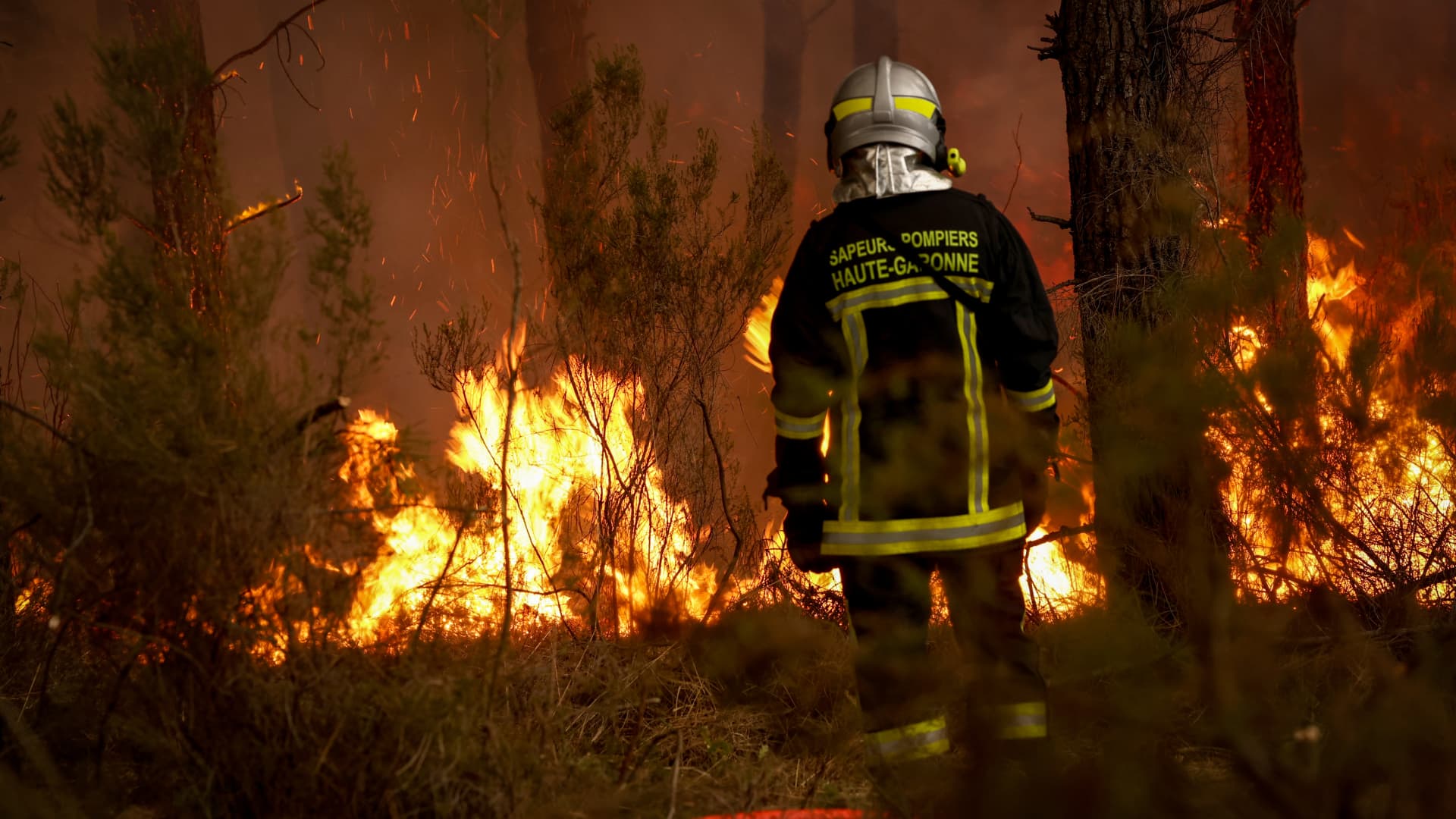
The Spain France wildfires evacuation has displaced more than 300,000 people as fires advance across southern France and parts of Spain, with further heatwaves expected this week. The emergency has drawn thousands of firefighters, soldiers and police into the response and prompted French President Emmanuel Macron to call a crisis cabinet meeting on Monday.
Spain’s Prime Minister Pedro Sanchez is due to visit fire-hit areas in Valencia, in eastern Spain, while French authorities continue to focus on the Gironde fire in the southwest. France 24 and local French media reported that the blaze began in Gironde, has burned 42,000 hectares and has forced one of the largest evacuations in France’s history.
In Spain, wildfires have affected 77,000 hectares in the Avila and Toledo areas of western Madrid, according to the reports. Firefighters in Spain have also been battling blazes near the capital, where authorities have evacuated residents or ordered people to stay indoors in some areas.
Where are the Spain and France wildfires spreading?
The main French fire started in Gironde, the department that includes the Bordeaux area, and has been moving toward the Bordeaux metropolitan area, according to French officials and local media. Fires have also affected parts of Spain, including Valencia in the east and areas around Avila and Toledo west of Madrid.
France’s Interior Minister Laurent Nunez said on X on Saturday, according to a Google translation, that conditions remained “highly unfavorable.” He said the Gironde fire had become “extremely virulent and unpredictable” at the start of the night, producing its own wind and spreading in an erratic pattern toward Bordeaux, before calming somewhat by the end of the night.
Nunez said France had deployed 2,500 firefighters, 1,500 military personnel and almost 1,200 police since the emergency began. Such deployments are intended to support evacuations, protect populated areas and keep transport routes and emergency access open while fire crews work to contain active fronts.
The Gironde prefecture, the main government authority for the Bordeaux area, said Monday that conditions had been broadly stable overnight from Sunday into Monday, with no major developments reported, according to France 3. That assessment did not remove the wider risk, as officials continued to monitor weather and fire behavior.
What is a pyrocumulonimbus fire cloud?
A pyrocumulonimbus is a storm-like cloud formed by intense heat from a fire, which can create powerful updrafts and generate its own winds. That can make a wildfire more difficult to predict because flames may shift direction and spread in ways that do not follow ordinary surface wind patterns.
Nicolas Braz, a firefighter captain, told AFP that the fire had been classified as an extremely dangerous and rare pyrocumulonimbus event. He described it as capable of generating winds and whirlwinds that make the blaze erratic and difficult to control.
The immediate policy response is now centered on emergency management in both countries. Macron’s planned cabinet meeting gives the French government a forum to coordinate national resources, while Sanchez’s visit to Valencia places Spain’s central government alongside local responders in areas affected by fire.
Authorities have not reported in the available statements when displaced residents may return. With additional heat expected, officials in France and Spain remain focused on containment, public safety orders and the continued deployment of emergency personnel.
This story draws on original reporting from CNBC.