Taxpayer-funded Trump ads face bipartisan scrutiny before midterms
Government-paid television spots featuring Donald Trump have drawn questions over spending, purpose and federal propaganda restrictions.
By Marcus V. Thorne · Markets Editor
· 3 min read
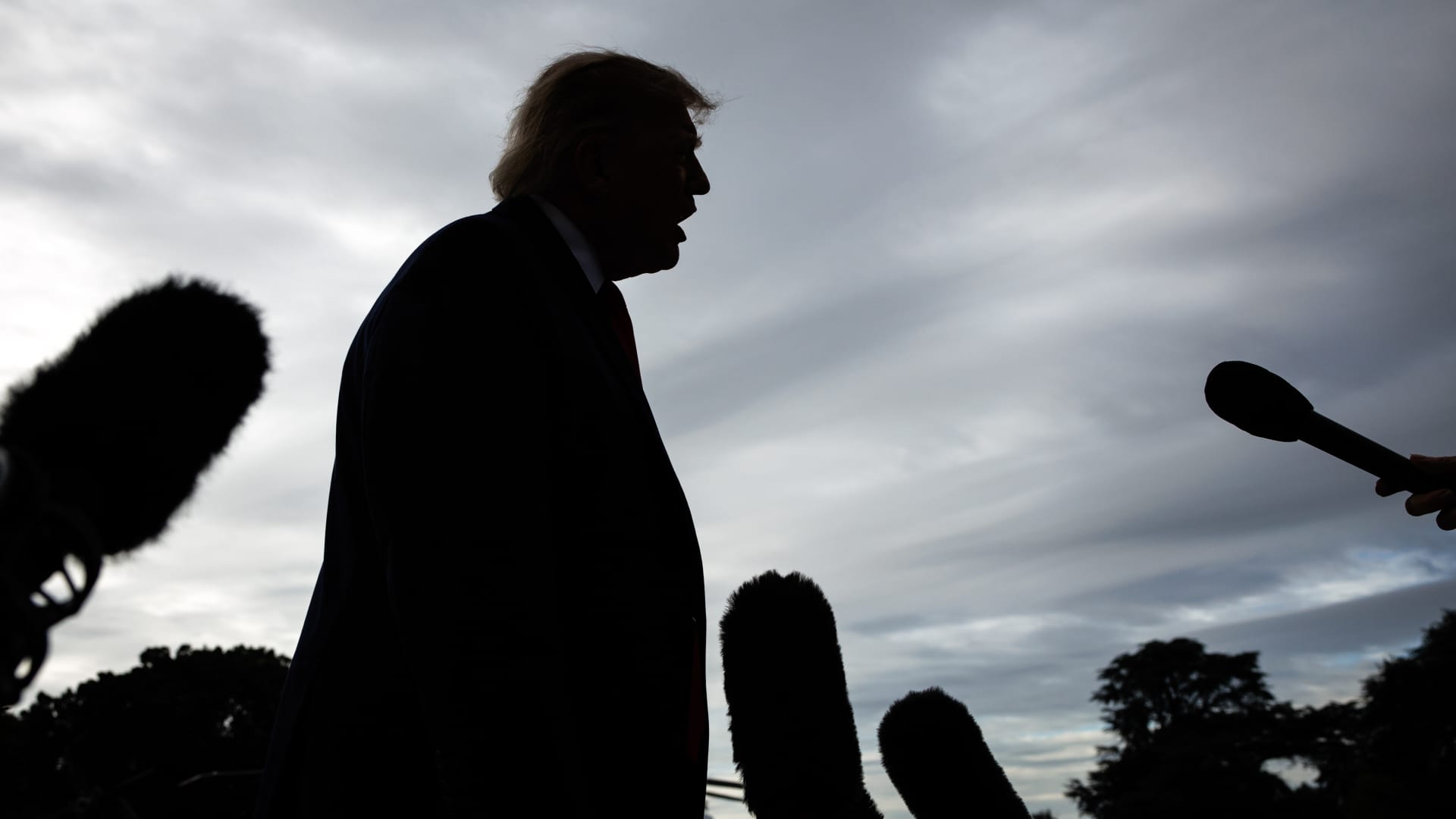
Taxpayer funded Trump ads have expanded on television ahead of the November 2026 midterm elections, drawing objections from lawmakers in both parties over the use of government money for messages promoting the president and his administration. AdImpact data cited by CNBC put spending on the first spot at nearly $920,000 as of September 27, while a second had cost more than $362,000.
The advertisements identify themselves on screen as paid for by the U.S. government, but reporting by CNBC and the Associated Press did not identify the agency or appropriation that financed them. The White House did not answer inquiries about the source of the funds, according to the AP report.
What do the taxpayer funded Trump ads say?
The initial 30-second commercial features President Donald Trump making anti-communist remarks, including that America would never become a communist country. It includes text touting administration policies, including claims about tax cuts, manufacturing and support for law enforcement, and uses a soundtrack repeating the words “love me.”
Early reporting, citing AdImpact, put the cost of that ad at $14,000 after it ran on Fox News and Newsmax. By September 25, the AP reported spending had risen to at least $443,000. CNBC subsequently reported that the spot had aired nationally, including on CBS's Face the Nation and during college football broadcasts.
The administration also aired additional spots. One used language from a 2024 Trump digital advertisement and cost more than $362,000 by September 27, according to CNBC. Another, a minute-long commercial using images of Mount Rushmore and excerpts from a Trump speech, also carried the government-payment disclosure. Its cost was not immediately available, the AP reported.
Why are lawmakers challenging the ads?
Critics have pointed to appropriations restrictions that bar the use of federal funds, directly or indirectly, for domestic publicity or propaganda unless Congress has authorized it. The question is whether the advertising falls within that restriction; no official finding of a violation was reported.
Senator Maggie Hassan, a New Hampshire Democrat, wrote to White House chief of staff Susie Wiles that the first advertisement appeared inconsistent with the prohibition on a general propaganda effort intended to aid a political party or candidates. Democratic members of the appropriations committees also objected to the spending.
Republican senators have raised separate concerns. Thom Tillis of North Carolina called the use of taxpayer money inappropriate, according to the AP. John Kennedy of Louisiana said on CBS that public officials, including himself, should not use public funds for private advertisements.
The objections come as Republicans defend their congressional majorities and party candidates use themes involving communism, the economy and crime in midterm campaigning. The available reporting does not establish an electoral effect from the government-funded spots.
How has the White House responded?
The White House has described the commercials as educational, patriotic public service announcements rather than campaign advertising. It said the messages were intended to remind Americans what the country is worth defending. It also argued that Trump is not on the ballot and that the advertisements do not ask viewers to vote for a candidate.
Those arguments address the administration's stated purpose for the ads, while the responsible funding source and any potential review by an oversight body remained unresolved in the reporting available.
This story draws on original reporting from CNBC.