Trump attack on Iran under review as oil heads for weekly gain
Trump told Axios he is close to deciding on larger Iran strikes, while Tehran warned the UK over U.S. use of British bases.
By Sarah Jenkins · Chief Macro Economics Correspondent
· 3 min read
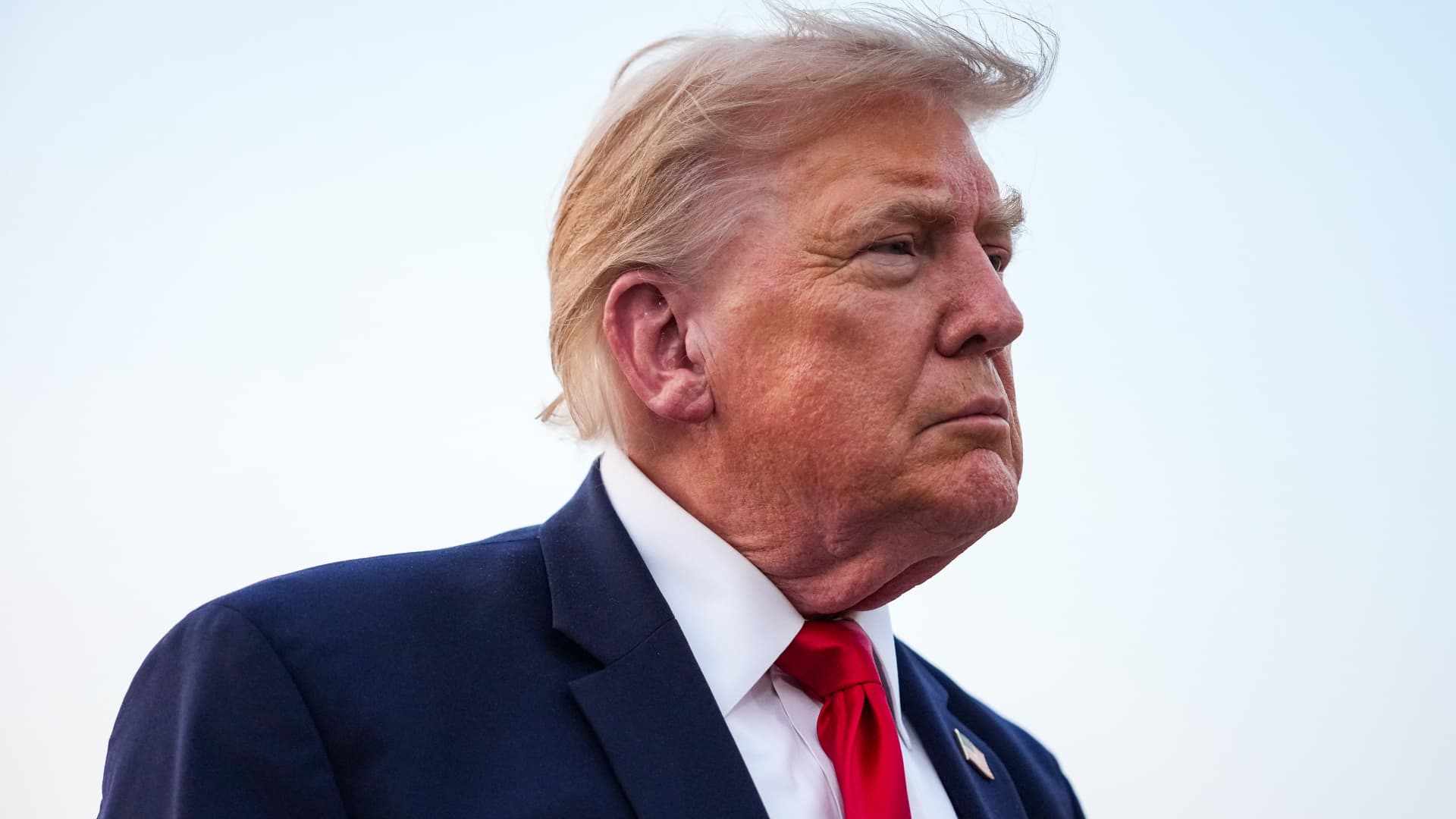
President Donald Trump said he is nearing a decision on whether to launch a larger Trump attack on Iran, raising the risk of a wider conflict as Red Sea tensions added pressure to energy markets. Oil prices slipped by about 1% on Friday morning but remained on track for a 10% weekly gain, with Brent crude above $99 a barrel and West Texas Intermediate at $91.08, according to market data cited by CNBC.
Trump told Axios on Thursday that he was considering strikes against Iran that would exceed the scale of operations seen so far in the war. He did not give the outlet a deadline for a decision, but said U.S. forces were prepared.
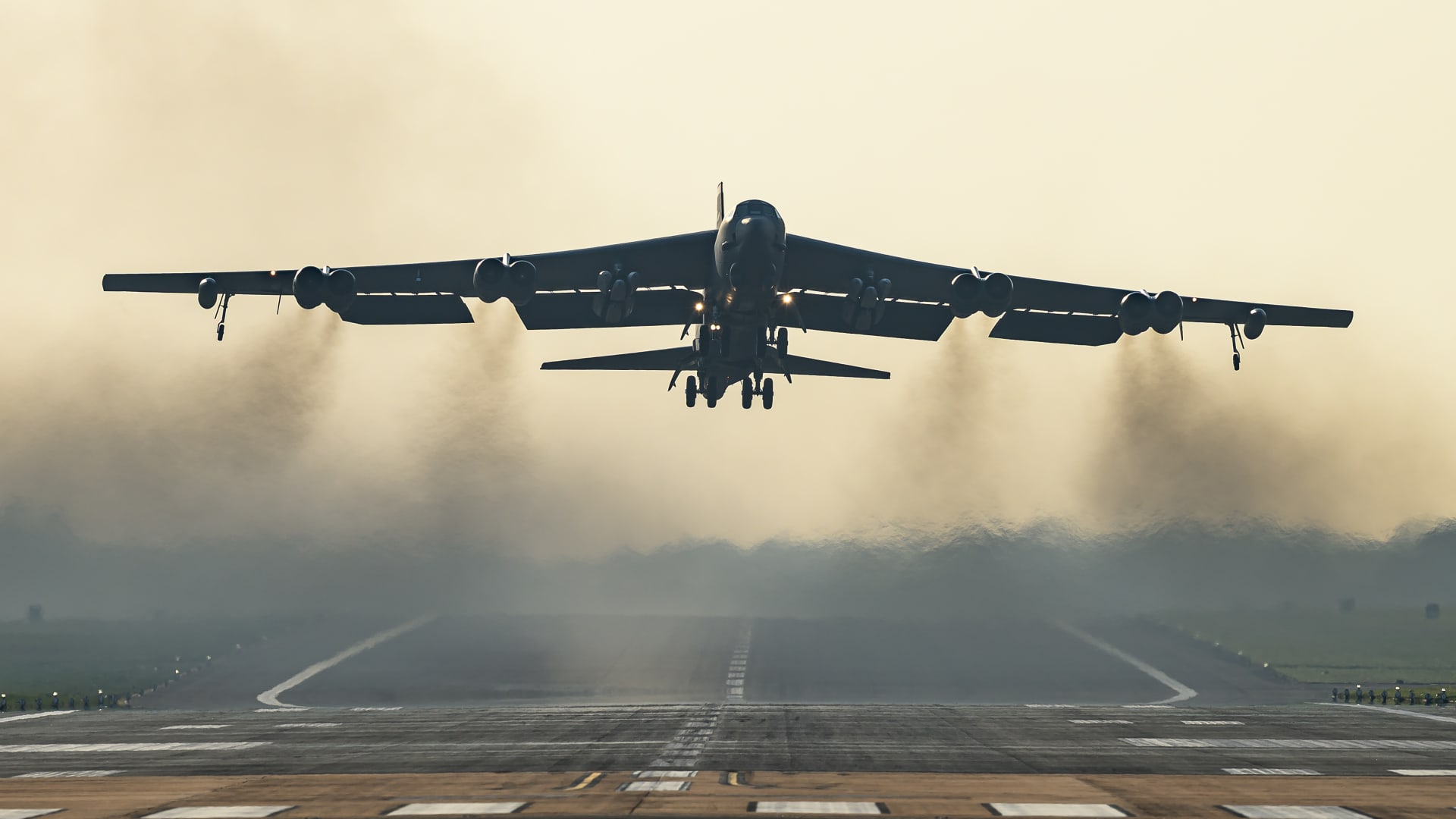
U.S. Central Command carried out a 13th straight night of strikes against Iranian targets overnight, CNBC reported. The widening conflict has drawn in shipping risks in the Red Sea, where Yemen’s Tehran-backed Houthis said they had attacked two Saudi Arabian oil tankers.
What did Trump say about attacking Iran?
In the Axios interview, Trump said he was weighing what he called a “massive attack” and said Iran had not “received enough pain yet.” He also told Axios that Israel would join such an operation quickly if asked, while noting that Israeli involvement could invite Iranian retaliation.
Trump also repeated his view that Iranian officials want talks with Washington, while saying Tehran was not ready to reach an agreement with the United States, according to Axios. The president’s comments leave open both military and diplomatic paths, with no stated timetable for either.
Secretary of State Marco Rubio described Trump’s approach to the war as “a head for an eye” when speaking to reporters on Thursday. Rubio said Iran would pay a heavy price for its actions and said it was already doing so.
Red Sea attacks raise oil-shipping concerns
Trump said on Truth Social that the United States would hold Iran responsible for further Houthi attacks, describing the group as a surrogate or proxy of Tehran. He said additional attacks would bring “major military punishment” against both Iran and the Houthis.
The Houthis announced a maritime embargo against Saudi Arabia on Monday and threatened to stop Saudi oil exports through the Red Sea and the Bab el-Mandeb strait, CNBC reported. That waterway is a key route for ships moving between the Red Sea and broader global trade lanes, so threats there can affect freight, insurance and energy pricing.
Iran’s Revolutionary Guard said on Thursday it had attacked U.S. military facilities at an American base in Jordan, according to Iranian state media. CNBC did not report an independent confirmation of that claim.
Iran warns the UK and Europe
The UK said it “stands ready 24/7 to defend itself” after Iran accused Britain of acting as an accomplice to the United States. Britain had allowed the U.S. to use British bases for defensive operations soon after the war began, and that permission was extended last week under Prime Minister Andy Burnham, CNBC reported.
Iran’s Ministry of Foreign Affairs said on Thursday that any party taking part in military action against Iran would be responsible for the consequences of that decision. The ministry accused the British government of siding with the United States and Israel in the war.
In a separate warning carried by Iranian state media, an Iranian official said European countries that provide bases or territory to the United States would be treated as being among the aggressors. The statement broadened Tehran’s warning beyond Britain as Washington weighs whether to intensify its campaign.
This story draws on original reporting from CNBC.