Trump says Iran ceasefire is over after Hormuz attacks
The U.S. president questioned any further deal with Tehran after attacks on three commercial vessels near a key oil route.
By Sarah Jenkins · Chief Macro Economics Correspondent
· 3 min read
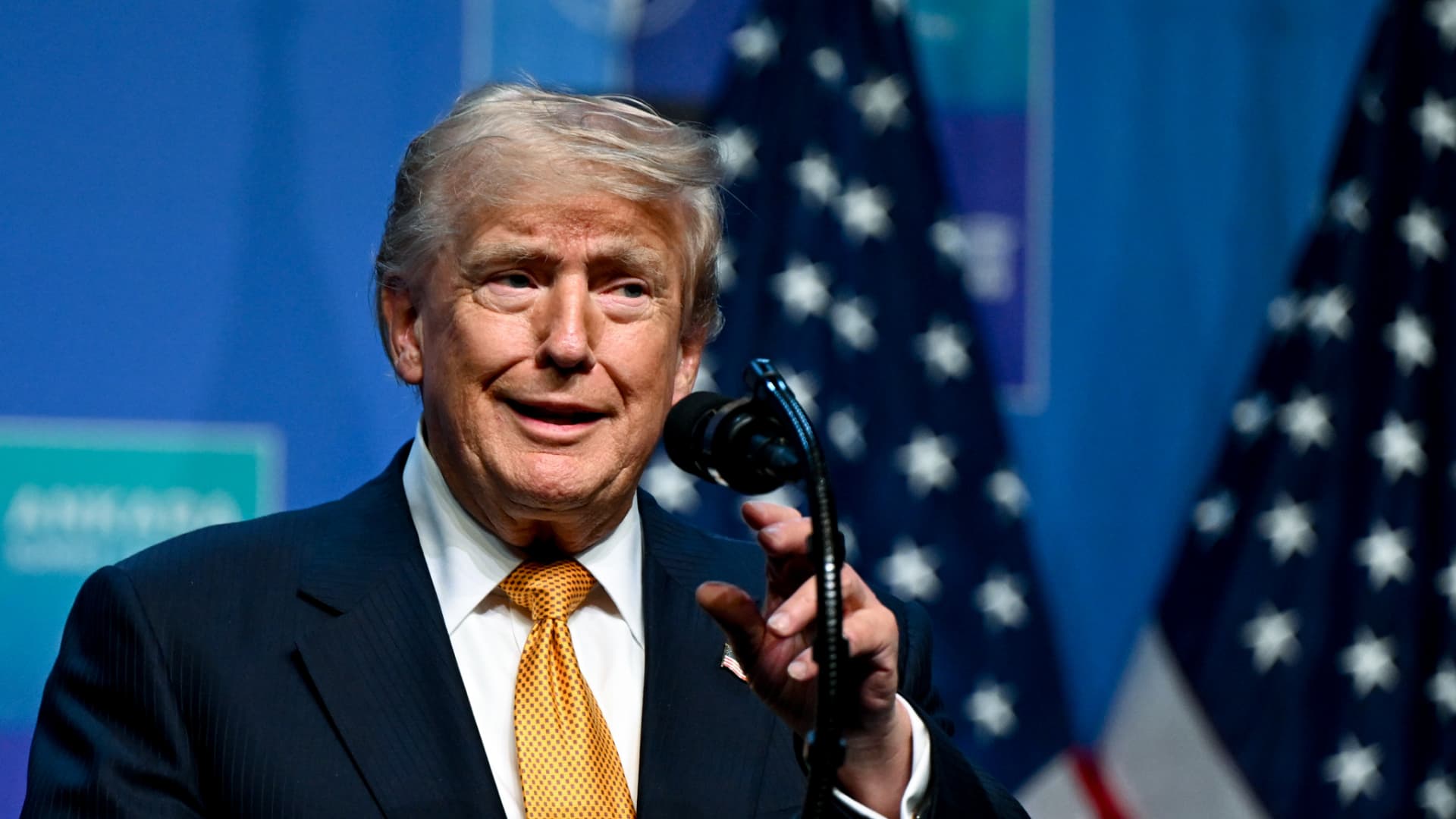
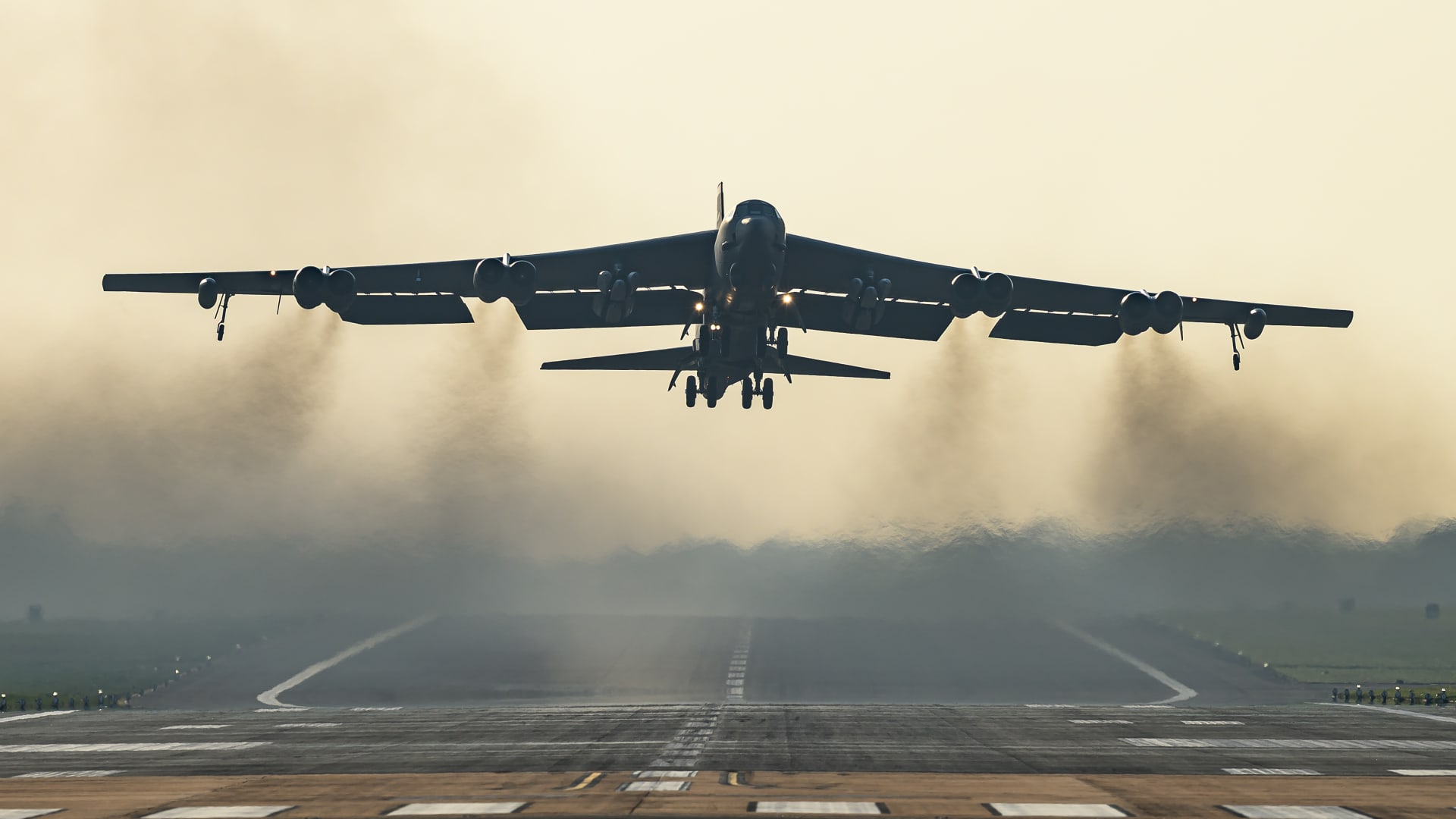
President Donald Trump said Wednesday that a recent U.S. ceasefire with Iran was “over” after renewed fighting around the Strait of Hormuz, including attacks on three commercial vessels attributed to Tehran by U.S. and maritime officials. The escalation affects one of the world’s key oil transit routes and prompted Washington to revoke a sanctions waiver on Iranian oil sales and launch what it described as dozens of retaliatory strikes.
Speaking at a press conference in Ankara, Turkey, where he was attending a NATO summit, Trump said he was no longer certain he wanted to pursue an agreement with Iran. “I’m not sure I want to make a deal with them,” he said, adding, “Let’s just finish the job.”
Trump’s comments marked a sharper break from the temporary arrangement reached last month. Earlier Wednesday, he said the ceasefire had ended and described further talks with Iran as a “waste of time.” He also said, “I don’t want to deal with them anymore.”
The latest confrontation followed Tuesday attacks on three commercial ships in or near the Strait of Hormuz, according to U.S. Central Command and the Joint Maritime Information Center, a U.S.-led naval group. After those incidents, the U.S. revoked a waiver that had exempted Iranian oil sales from sanctions as part of the ceasefire framework.
A sanctions waiver is a policy tool that allows activity otherwise barred by sanctions to continue for a defined purpose or period. By withdrawing the waiver, Washington restored restrictions on Iranian oil transactions that had been eased under the temporary deal.
The U.S. also said it carried out dozens of strikes against Iranian military infrastructure and small boats. Trump said Wednesday that additional U.S. military action could take place “tonight,” though he later said at the press conference that he “might” order those attacks.
The Strait of Hormuz has been the main point of pressure in the conflict, which began Feb. 28. The waterway is a major passage for global oil shipments, and Iran’s capacity to obstruct shipping, along with its stated intention to charge tolls on vessels passing through, has given Tehran leverage against a larger U.S. military force. Trump responded by ordering a naval blockade of Iranian ports in the area.
Under the ceasefire terms, the U.S. agreed to lift that blockade. Iran agreed to make its “best efforts for the safe passage of commercial vessels” in the Gulf region.
Iran disputed Washington’s account of the agreement. Esmaeil Baqaei, spokesman for Iran’s Foreign Affairs Ministry, wrote on X that the U.S. had violated the deal’s structure through unilateral steps and attacks on Iran. He said the clause at issue emphasized Iran’s role in “determining arrangements” for ships moving through the strait.
Baqaei said Iran would continue to protect its national interests and exercise its sovereignty. His comments framed the dispute as one over control of maritime passage, while Washington has presented the attacks on commercial vessels as a breach of the ceasefire understanding.
Trump was also asked why his tone toward Iran’s leadership had changed after he had earlier described its officials as “smart,” “very rational” and “nice to deal with.” He replied, “I got to know ’em.” He said he still considered them more rational than earlier Iranian leaders killed by the U.S. during the war, but said their recent actions had not served Iran’s people.
This story draws on original reporting from CNBC.