Trump new tariffs draw legal scrutiny after Supreme Court loss
Trump said new tariffs achieve the same result as duties struck down by the Supreme Court, sharpening a lawsuit over his trade powers.
By Sarah Jenkins · Chief Macro Economics Correspondent
· 3 min read
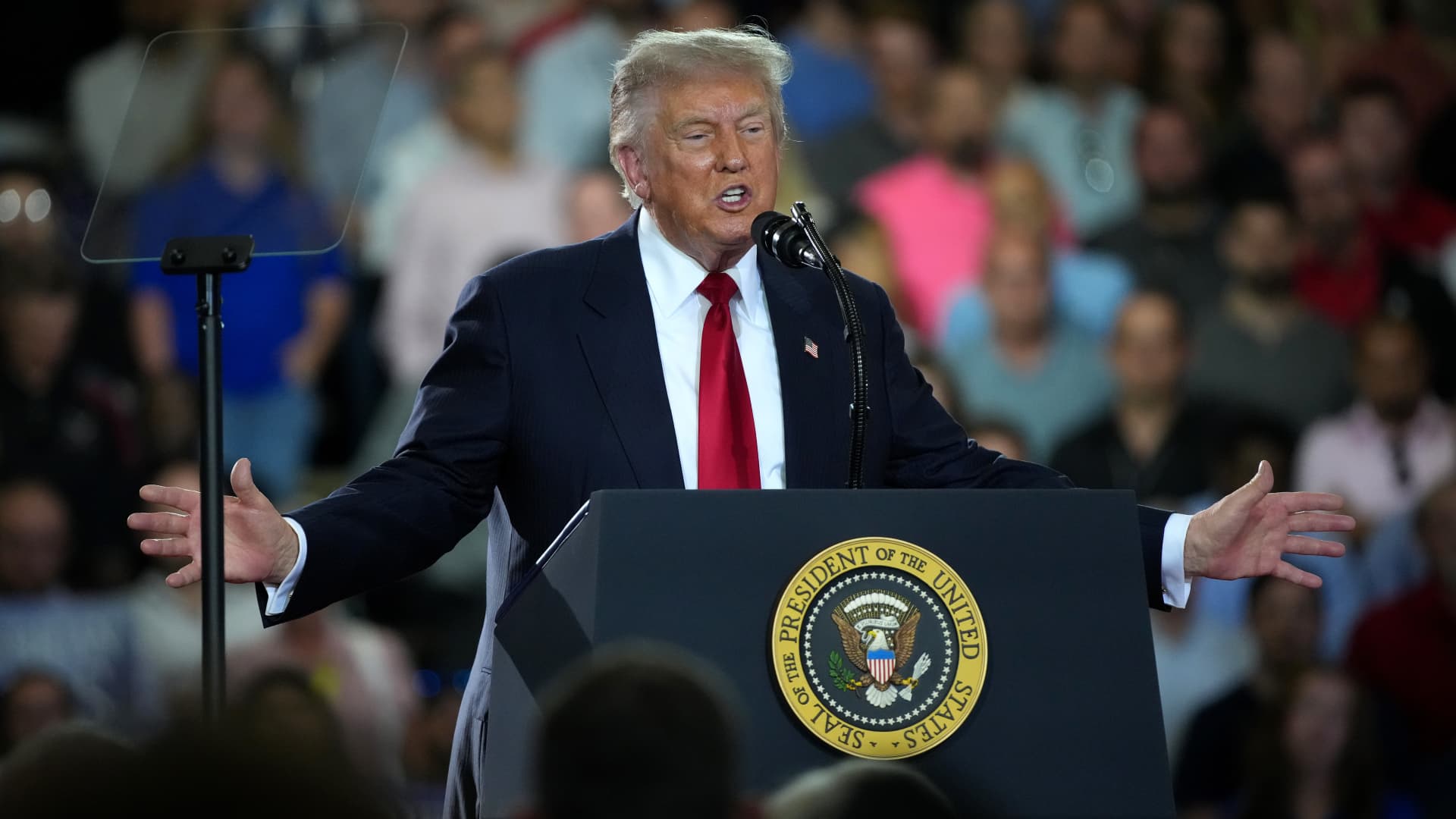
President Donald Trump said his new tariffs are achieving the same result as earlier duties the Supreme Court struck down, comments that could intensify legal scrutiny of his administration’s latest trade measures. The remarks came after the administration imposed Section 301 tariffs of 10% to 12.5% on goods from more than 80 countries, according to CNBC.
In a Fox News interview on Tuesday, Trump said the Supreme Court had ruled against him in a close decision and that he now had “other ways of doing the same thing,” though he described the process as more cumbersome. The Supreme Court earlier this year rejected his prior tariff program, which had set a 10% near-global baseline tariff and higher rates for dozens of countries.
The latest duties took effect Friday, the same time Trump’s worldwide 10% temporary tariff reached its 150-day limit and expired, according to CNBC. The administration said the new tariffs were justified by trading partners’ alleged failure to effectively bar forced labor.
What are Trump’s new tariffs?
Tariffs are taxes on imported goods, paid as products enter the country and often passed through supply chains in varying degrees. The administration’s newest levies use Section 301 authority and apply rates between 10% and 12.5% to imports from more than 80 countries, according to CNBC.
The legal dispute turns on whether the administration is using a different statute to revive a tariff system courts have already rejected. A federal lawsuit filed Friday by Liberty Justice Center argues that the new tariffs are “designed to preserve substantially the same broad tariff regime” that courts held Congress did not authorize, CNBC reported.
Sara Albrecht, chairman and CEO of Liberty Justice Center, said Trump’s comments strengthen the group’s case. In an emailed statement to CNBC, she said changing the statute and stated rationale did not make an unlawful tariff lawful, and that the president’s own description suggested the new measures sought the same outcome after the Supreme Court ruling.
A senior administration official rejected the suggestion that the forced-labor rationale was a pretext for restoring the earlier tariff program. Asked on a call with reporters Thursday whether the forced-labor focus was an excuse to reimpose the prior duties, the official said Trump had prioritized the issue for many years, CNBC reported. The official also said the timing was chosen “to avoid complexity” and was not intended as a replacement.
Trump also used the Fox interview to discuss North American trade. Asked whether he still wanted to update the United States-Mexico-Canada Agreement, known as USMCA, he said he would rather the U.S. be independent than renegotiate the pact. The U.S. decided this month not to renew the trilateral trade deal, according to CNBC.
Trump dismissed concerns that tariffs could damage the economy as cost-of-living issues become central to the coming midterm elections. He said the tariffs had made the country “a fortune” and claimed they had helped stop numerous wars.
The Office of the U.S. Trade Representative did not immediately respond to CNBC’s request for comment on Trump’s remarks.
This story draws on original reporting from CNBC.