UK proposes social media curfew for 16- and 17-year-olds
The U.K. government plans default overnight limits and restrictions on infinite scrolling and autoplay for older teens from spring 2027.
By Marcus V. Thorne · Markets Editor
· 3 min read
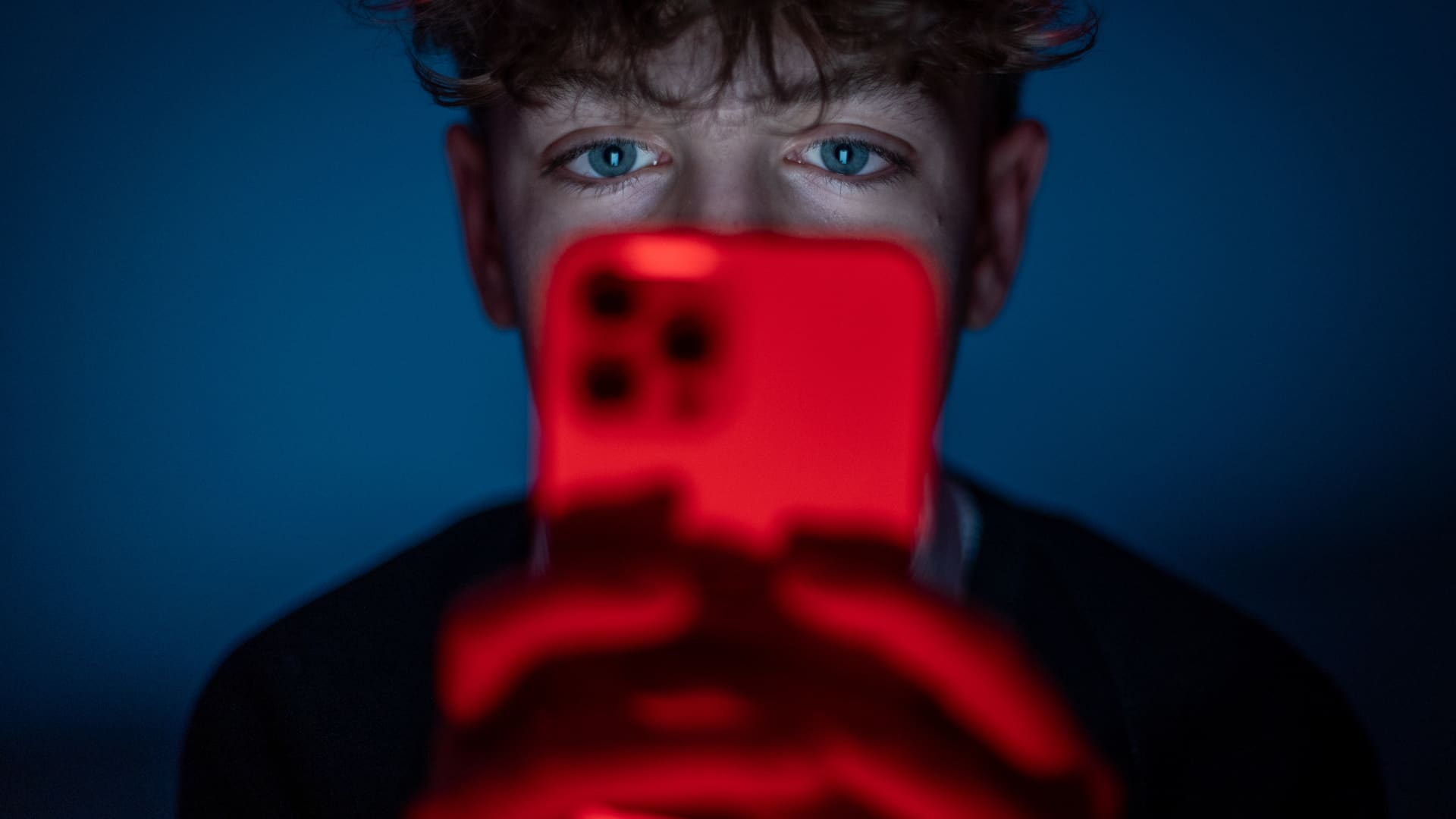
The U.K. government on Wednesday proposed new online safety measures for 16- and 17-year-olds, including a default midnight social media curfew and automatic limits on features such as infinite scrolling and autoplay. The plan, expected to take effect by spring 2027, would change default product settings for older teenagers at a time when major technology platforms face closer scrutiny over the design of their services.
According to the government, the restrictions would apply by default but teenagers would be able to turn them off. The measures target design features that can extend time spent on apps, including feeds that keep loading new material and videos that begin playing without further user action.
The proposal follows government-backed research into social media restrictions involving more than 300 teenagers and parents across the U.K. The one-month trial tested three approaches: limiting app use to 15 minutes a day, imposing an overnight curfew between 9 p.m. and 7 a.m., and removing specific social media apps altogether.
The government said participants reported benefits including better sleep, improved concentration, stronger daytime energy, improved mood and lower stress. Teenagers also described a social and emotional cost, because social media remained a central way to communicate with friends who were not subject to the same limits.
The overnight curfew emerged as the preferred option in the research, according to the government, because it was seen as offering health benefits while preserving more daytime access to social interaction. That finding appears to have shaped the proposed default curfew for older teenagers.
Part of a broader online safety push
The measures for 16- and 17-year-olds sit alongside a tougher approach for younger children. In June, outgoing U.K. Prime Minister Keir Starmer announced a blanket social media ban for under-16s, according to the government. The ban would cover major platforms including Snapchat, TikTok, Instagram, Facebook, YouTube and X.
The U.K. move followed Australia’s enforcement of a legal social media ban in December, which made it the first country to implement such a restriction, according to CNBC. Governments are increasingly examining whether age-based limits, default settings and platform design rules can reduce harms linked to heavy social media use among children and teenagers.
For technology companies, the proposals point to a policy shift from content moderation alone toward product architecture. Curfews and feature controls operate through account settings and interface design, rather than by judging individual posts. That approach could require platforms to identify teen users, apply age-specific defaults and give users clear tools to alter those settings where permitted.
The U.K. government has framed the changes as protections for older teenagers rather than a full ban on their social media use. The trial results cited by officials also show the policy trade-off: restrictions may improve sleep and well-being for some teenagers, while reducing access to social networks that many use for everyday communication.
This story draws on original reporting from CNBC.