US grocery volumes fall as higher food bills curb shopper demand
Bain analysis of NielsenIQ data shows June grocery unit sales fell 1.8%, intensifying pressure on food makers and retailers to compete on value.
By Sarah Jenkins · Chief Macro Economics Correspondent
· 3 min read
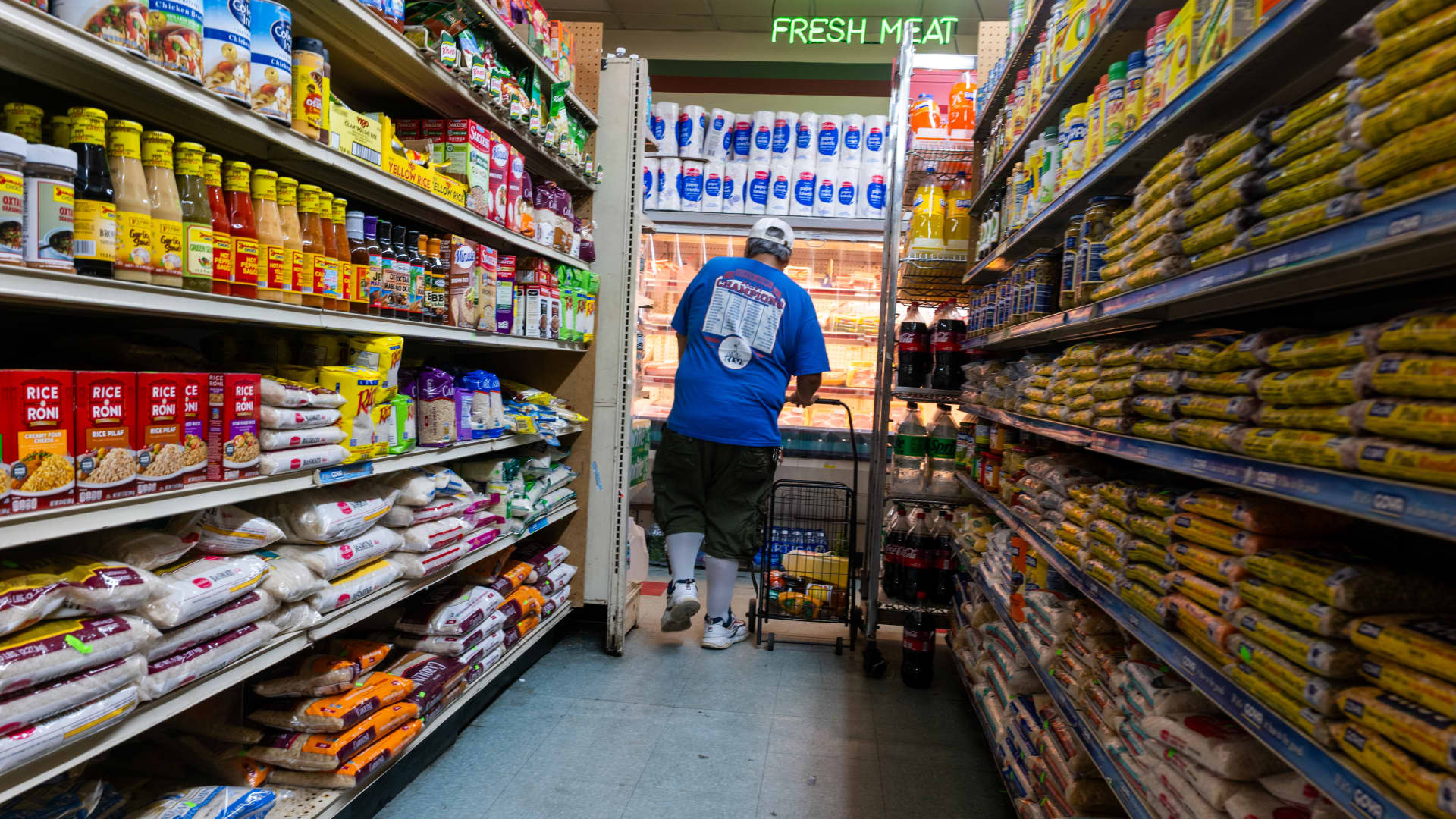
U.S. grocery shoppers bought fewer items in June than a year earlier, with unit sales down 1.8%, according to Bain & Company analysis of NielsenIQ grocery data reported by CNBC. The decline has become large enough to offset food inflation of about 2% to 3%, weakening the dollar-sales growth that had supported grocers and packaged-food companies.
The June drop marks a reversal from 0.1% year-on-year growth in grocery units in June 2025, according to Bain. Unit sales measure the number of individual products sold, so a fall signals that consumers are reducing basket sizes, switching products or delaying purchases rather than only paying more for the same shopping trip.
Food prices remain a central pressure point. Grocery costs are roughly 33% above 2019 levels, according to Federal Reserve economic data cited by CNBC. Kurt Grichel, head of Bain’s Americas retail practice, said a grocery trip that cost $300 in 2019 now costs about $400, a change large enough to prompt even higher-income shoppers to compare prices and look for alternatives.
Consumers shift toward cheaper options
Bain said the pullback reflects several strains on household budgets rather than a single shock. CNBC also cited higher fuel costs, reduced SNAP benefits and tighter eligibility for the food assistance program as pressures affecting lower-income consumers.
In Bain’s U.S. Consumer Pulse Wave survey, conducted in May, 80% of Americans said they were still trying to spend less. The survey found that 28% were actively reducing grocery spending. Among that group, 56% said they were moving to cheaper brands, 49% said they were buying fewer items and 44% said they were using more coupons and promotions.
Those changes affect the economics of grocery suppliers. When prices rise, companies can increase revenue even if volumes are flat or slightly lower. When unit declines become larger than price gains, companies lose that buffer and must rely more on promotions, product mix, private-label exposure or cost controls to protect sales and margins.
Food companies and grocers respond with value offers
PepsiCo said in its second-quarter results on Thursday that demand in North America had softened. The company reported a 2% decline in North American food revenue, while volume was flat. On a call with investors, Chief Executive Ramon Laguarta said the consumer was weaker than the company had expected and attributed that mainly to gasoline prices.
PepsiCo executives also referred to lower effective pricing, which indicated heavier promotional activity as shoppers became more price-sensitive, according to CNBC.
Retailers have been adjusting their offers as well. Walmart announced summer price cuts on beef, ice cream and other products, including items from PepsiCo, Coca-Cola and Walmart’s Great Value private label, CNBC reported. Kroger and Walmart have both emphasized value and promotions as grocery competition shifts from dollar growth toward unit growth.
Joe Feldman, an analyst at Telsey Advisory Group, said grocers have pressed suppliers to lower prices where possible and that suppliers see the need to respond. He said the industry is trying to regain growth in the number of items sold, rather than relying on higher prices to lift sales.
Bain’s Grichel said grocers that price competitively on highly visible staples such as ground beef, chicken, milk and eggs have an advantage. He said retailers are combining promotions, loyalty programs, personalization and private-label products to present a clearer value offer to customers.
This story draws on original reporting from CNBC.


