U.S. nuclear umbrella allies weigh options as deterrence doubts deepen
Allies are reassessing nuclear and conventional defence options, though no evidence shows a new weapons programme has been approved.
By Sarah Jenkins · Chief Macro Economics Correspondent
· 3 min read
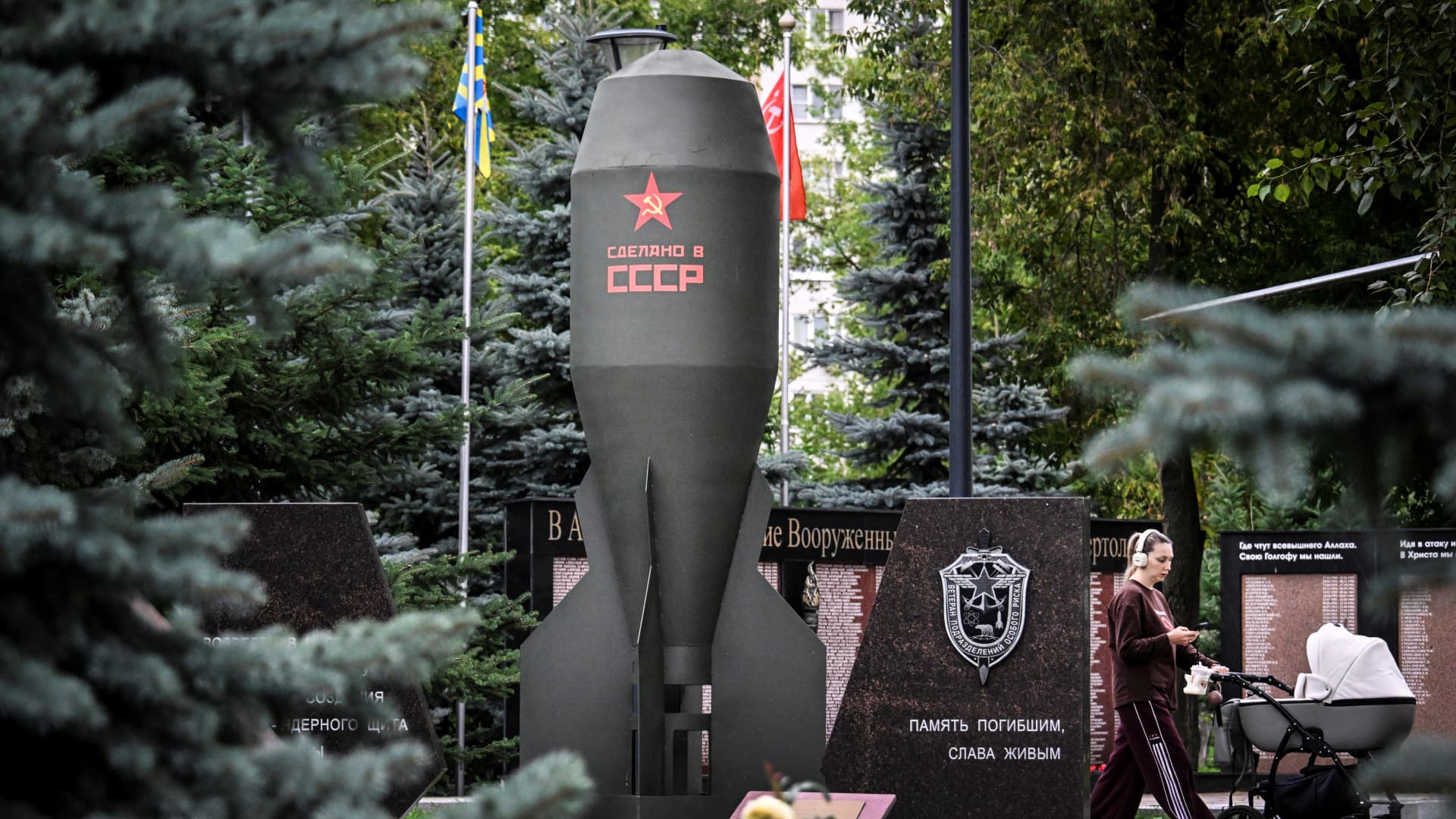
U.S. nuclear umbrella allies are reassessing their security options as Washington presses partners to shoulder more of their own defence costs, heightening concern that doubts over American guarantees could weaken nuclear nonproliferation. The debate remains about contingency planning, conventional strength and possible shared arrangements, rather than confirmed decisions by allied governments to build nuclear weapons.
CNBC reported that governments have begun revisiting their options amid perceptions that the United States is becoming less dependable as a security partner. It cited analysts who warned that measures intended to make one country safer can cause rivals to take countermeasures, creating greater scope for error and escalation.
What does the U.S. nuclear umbrella provide to allies?
Extended deterrence is the U.S. commitment to defend allied states, including by using nuclear weapons if necessary. Its purpose is to deter attacks while reducing the incentive for threatened allies to acquire national arsenals of their own.
In Europe, that commitment is embedded in NATO. The International Institute for Strategic Studies estimates that about 100 U.S. B61 gravity bombs are held at six sites in Belgium, Germany, Italy, the Netherlands and Türkiye. Washington retains custody of those weapons, and the U.S. president alone has authority to employ them, IISS says. Seven NATO members provide aircraft able to carry the bombs, while all members except France take part in NATO's Nuclear Planning Group.
Australia, Japan and South Korea also receive U.S. nuclear cover, but do not host U.S. nuclear weapons, according to IISS. The U.S. publicly reaffirmed in February 2025 that it would defend Japan and South Korea, including with nuclear weapons. Yet U.S. calls for greater allied defence spending have unsettled some partners, IISS said.
Which options are under discussion?
The near-term choices extend well beyond a domestic bomb programme. They include higher conventional defence spending, missile defence, military exercises, nuclear consultations and possible weapon-sharing or deployment arrangements. The Lowy Institute describes these as possible paths, not adopted regional policy, and says the status quo could also persist with incremental improvements in conventional deterrence and consultation.
Europe has an additional, though limited, potential hedge because France and the United Kingdom possess nuclear forces. Carnegie Endowment for International Peace reported that Germany's Friedrich Merz had expressed interest in possible arrangements with Paris and London, while French President Emmanuel Macron said in March 2025 that he would open a strategic discussion with European allies about extending France's nuclear mission. That is not a completed European nuclear umbrella.
The historical stakes are substantial. A 2021 Chicago Council on Global Affairs task-force report said U.S. reassurance, alongside the 1968 Nuclear Non-Proliferation Treaty, was a major part of the post-1960s effort to curb proliferation among allies. The report urged more visible commitments, allied involvement in planning and stronger joint capabilities.
CNBC reported recent debate over French, Japanese, Lithuanian and Finnish nuclear-related policies, but quoted analysts stressing that none amounted to a decision to make a bomb. The risk identified by researchers is therefore a pathway, not an established proliferation cascade: if a state expands nuclear-related capabilities to address insecurity, neighbours may perceive a new threat and respond in turn.
This story draws on original reporting from CNBC.


